
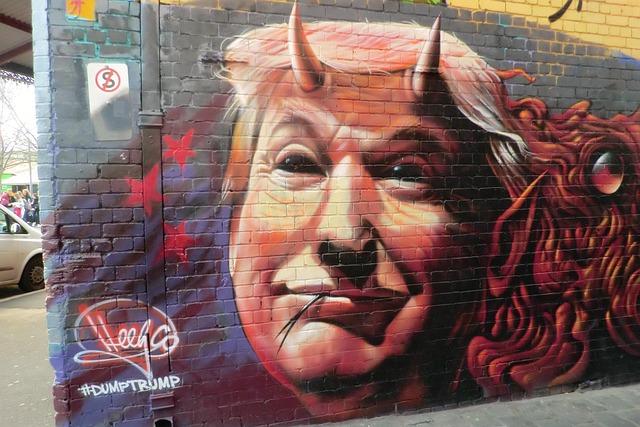
Former President Donald Trump has issued a stark warning to Spain, threatening to sever trade ties following Madrid’s refusal to permit the use of its joint military bases in support of U.S. operations related to the ongoing conflict in Iran. The announcement, reported by AP News, underscores escalating tensions between the two nations amid the complex geopolitical landscape in the Middle East. This development marks a significant strain in U.S.-Spain relations as Washington seeks to maintain strategic footholds in the region.
Trump Condemns Spain’s Ban on US Military Use of Bases Amid Iran Conflict
Former President Donald Trump has publicly criticized Spain’s recent decision to prohibit the United States from using its military bases for operations related to the ongoing conflict with Iran. Labeling the move as a “betrayal” to the longstanding alliance between the two nations, Trump warned that such restrictions undermine the strategic partnership essential for maintaining stability in the region. He emphasized that Spain’s action could have wider geopolitical consequences, potentially emboldening Iran and complicating U.S. military logistics.
In response to the ban, Trump threatened to impose significant trade restrictions on Spain, stating that the United States might reevaluate economic ties if Madrid persists in limiting military cooperation. Key points of his stance include:
- Reconsidering bilateral trade agreements to exert pressure on Spain
- Highlighting the importance of allied unity during international conflicts
- Urging other NATO members to support or reconsider Spain’s role in regional security
Implications of Trade Threats on US-Spain Relations and Transatlantic Alliances
The recent escalation initiated by the Trump administration threatens to unravel decades of diplomatic progress between the United States and Spain. By targeting economic ties following Spain’s refusal to grant US forces access to joint military bases for operations related to the Iran conflict, the move signals a potential shift toward a more transactional and confrontational US foreign policy. This approach raises alarms across European capitals, where there is growing concern that bilateral disagreements could poison broader transatlantic cooperation on security, trade, and global stability.
Experts warn that the implications extend beyond immediate trade disruptions to the core of NATO and other transatlantic alliances. The unilateral nature of these threats undermines trust among allies and injects uncertainty into multilateral frameworks long relied upon to address shared challenges. Key concerns include:
- Economic repercussions: Potential tariffs or restrictions could ripple through supply chains, affecting industries on both sides of the Atlantic.
- Strategic realignment: Spain and other European partners may reconsider their security commitments or seek alternative alliances in response to unpredictable US policy.
- Diplomatic isolation: The US risks alienating key European allies, hindering coordinated responses to global crises.
Strategic Recommendations for Navigating Diplomatic and Economic Fallout
In light of escalating tensions, it is crucial for both the United States and Spain to engage in proactive dialogue to mitigate the risk of prolonged diplomatic and economic disruptions. Policymakers should prioritize establishing back-channel communications to foster mutual understanding, while simultaneously exploring alternative frameworks for military collaboration that do not compromise national sovereignty. Additionally, leveraging multilateral forums such as NATO and the European Union can serve as platforms to mediate disputes and reaffirm shared strategic interests.
Economic resilience must also be a central focus. Businesses on both sides should develop diversified supply chains to reduce vulnerability to potential trade restrictions. Governments are urged to implement contingency plans that include support mechanisms for affected industries and workforce retraining programs. Key recommended actions include:
- Enhancing diplomatic engagement through continuous bilateral talks and third-party mediation.
- Strengthening economic diversification to minimize dependence on sensitive trade routes or partners.
- Promoting transparency in defense agreements to address security concerns without precipitating abrupt policy reversals.
Closing Remarks
As tensions escalate between the United States and Spain over the use of joint military bases in the context of the Iran conflict, the potential repercussions on bilateral trade relations remain uncertain. The Trump administration’s threat to sever trade ties underscores the growing strain in diplomatic engagements, prompting observers to closely monitor developments in the coming weeks. Both nations face a critical juncture that could redefine their strategic and economic partnerships moving forward.