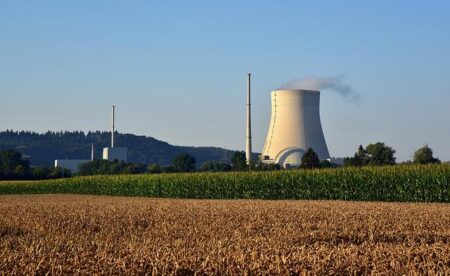
Fifteen years after the catastrophic earthquake and tsunami that triggered the Fukushima nuclear disaster, Japan stands at a critical crossroads in its energy policy. The tragedy exposed the vulnerabilities of nuclear power, leading to widespread shutdowns of reactors and a surge in fossil fuel imports. Today, as the world accelerates efforts to combat climate change, Japan grapples with the challenge of balancing energy security, environmental goals, and public safety. This article examines the complex energy dilemma facing the nation, exploring the political debates, economic pressures, and technological developments shaping Japan’s path forward.
Japan’s Struggle to Balance Energy Security and Sustainability Amid Post-Fukushima Challenges
In the wake of the 2011 Fukushima disaster, Japan’s energy landscape has undergone a seismic shift. The abrupt shutdown of nuclear reactors forced the nation to pivot sharply towards fossil fuels, primarily liquefied natural gas and coal, igniting debates on energy security and environmental responsibility. Japan now grapples with a paradox: the urgent need to ensure a reliable power supply conflicts with its ambitious carbon neutrality goals. Despite significant investments in renewable energy infrastructure, challenges such as limited land availability, high costs, and intermittent supply hinder a full-scale green transition.
Key obstacles confronting Japan include:
- Heavy dependence on energy imports, exposing the economy to global market volatility
- Public skepticism towards nuclear power, complicating efforts to restart reactors
- Technological and regulatory barriers limiting rapid renewable expansion
As geopolitical tensions and climate imperatives intensify, Tokyo’s policymakers are caught between short-term energy stability and long-term sustainability. The government’s strategy now involves a cautious reintegration of nuclear power alongside accelerated renewables development, while also exploring innovations like hydrogen energy as potential game-changers in the quest for a resilient and clean energy future.
The Rising Role of Renewables and the Debate Over Nuclear Reactor Restart
In the years since the Fukushima disaster, Japan has witnessed a remarkable surge in renewable energy adoption, particularly solar and wind power. Government initiatives have focused on incentivizing clean energy projects to reduce dependence on imported fossil fuels. This shift has not only diversified the energy mix but has also sparked economic opportunities within the green technology sector. However, despite these advancements, renewables still grapple with issues of intermittency and grid stability, prompting ongoing discussions about the reliability of Japan’s energy infrastructure going forward.
Against this backdrop, the debate over restarting nuclear reactors remains intensely polarized. Proponents argue that reigniting these dormant plants is essential to meet the country’s ambitious carbon reduction targets and ensure a stable energy supply. Critics, however, caution that safety concerns persist and that public trust has eroded since 2011. Key points in this debate include:
- Energy security: Nuclear power offers a steady, low-carbon source of electricity, reducing vulnerability to global fuel price volatility.
- Environmental impact: Balancing nuclear risks against the ecological footprint of fossil fuels and the land usage demands of renewables.
- Public sentiment: Overcoming widespread apprehension is crucial for any large-scale reactor restarts.
As Japan navigates this complex energy crossroads, its decisions will have significant implications not only domestically but also for regional and global energy trends.
Policy Recommendations for a Resilient and Low-Carbon Energy Future in Japan
To navigate its complex energy crossroads, Japan must prioritize policy frameworks that foster innovation, efficiency, and sustainability. Key strategies include accelerated investment in renewable energy infrastructure, particularly offshore wind and solar technologies, complemented by smart grid development to enhance energy distribution. Additionally, revising regulatory barriers to encourage private sector participation and streamline project approvals will be essential in boosting capacity. Equally important is the diversification of energy sources to reduce dependency on imports and minimize supply risks, with a cautious yet pragmatic approach toward nuclear power revival under stringent safety standards.
Equipping the workforce with new skills geared toward green technologies and supporting research in emerging fields like energy storage and hydrogen fuel can further strengthen resilience. Policy efforts should also emphasize energy conservation and demand-side management, promoting widespread adoption of energy-efficient appliances and incentivizing behavioral shifts among consumers and industries alike. Ultimately, a holistic approach combining market-driven mechanisms, public-private collaboration, and community engagement will be vital for Japan to achieve a low-carbon trajectory while safeguarding energy security.
- Boost offshore wind and solar power deployment
- Implement smart grid and energy storage solutions
- Streamline regulatory frameworks to attract investment
- Reassess nuclear energy with enhanced safety protocols
- Promote energy efficiency and conservation across sectors
- Invest in workforce training and green R&D initiatives
- Encourage public-private partnerships and stakeholder collaboration
To Wrap It Up
Fifteen years on from the Fukushima disaster, Japan stands at a critical crossroads in its energy policy. Balancing the urgent need for reliable, low-carbon power with the lingering concerns over nuclear safety and public trust remains a formidable challenge. As global pressures mount to decarbonize amidst geopolitical uncertainties, Japan’s decisions in the coming years will not only shape its own energy future but also offer lessons for countries grappling with similar dilemmas worldwide.