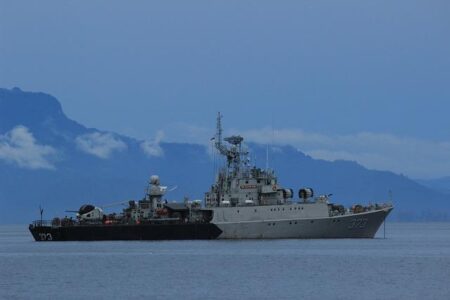

Germany’s recent decision to significantly increase its defense budget marks a pivotal shift in European security dynamics. Once known for its cautious military posture since World War II, Berlin is now ramping up spending to address growing geopolitical uncertainties. While some see this move as a necessary response to emerging threats, others across Europe express concern over the potential implications for regional stability and defense cooperation. This article explores the complexities behind Germany’s defense spending surge and the varied reactions it has sparked within the continent.
Germany’s Military Buildup Signals Shift in European Security Dynamics
Germany’s increased investment in its military marks a significant pivot from decades of restrained defense policies. In the wake of growing geopolitical uncertainties across Europe, Berlin has committed billions more to modernize its armed forces, signaling a readiness to play a more assertive role in regional security. This expansion includes purchasing new fighter jets, expanding cyber defense capabilities, and increasing troop deployments. Such moves challenge the longstanding perception of Germany as primarily an economic power hesitant to engage militarily.
The response across Europe has been mixed, reflecting diverse perspectives on the continent’s security landscape. Some NATO allies welcome Germany’s enhanced contributions as a necessary counterbalance to rising threats in the east, while others express concern about potential shifts in the balance of power. Key points of apprehension include:
- Resentment from neighbors wary of Germany’s military ambitions
- Uncertainty about the long-term implications for European defense cooperation
- The challenge of integrating expanded German capabilities within existing NATO frameworks
As Germany embarks on this military buildup, the ripple effects are poised to redefine Europe’s security dynamics for years to come.
Concerns Rise Among Neighbors Over Potential Arms Race
Across several European communities, heightened defense budgets have ignited unease about a rekindling arms race reminiscent of Cold War tensions. Residents in border regions express fears that escalating military capabilities could prompt neighboring countries to follow suit, culminating in a cycle of competitive armament rather than collaboration. This growing anxiety reflects a collective desire for stability amid an evolving geopolitical landscape marked by uncertainty and shifting alliances.
Community leaders and analysts point to key concerns:
- Potential diversion of resources away from social programs and infrastructure development
- Increased militarization contributing to regional instability
- Heightened risk of misunderstandings or miscalculations triggering conflict
- The challenge of balancing national security with diplomatic engagement
Experts Urge Transparent Dialogue to Balance Defense and Diplomacy
In the wake of Germany’s significant increase in defense spending, experts caution that a careful balance must be maintained between military preparedness and diplomatic engagement. Analysts emphasize the importance of an open, transparent dialogue among European nations to ensure that the escalation does not inadvertently heighten regional tensions or undermine peace initiatives. They argue that while bolstering defense capabilities can act as a deterrent, it must be coupled with sustained efforts to strengthen diplomatic channels and conflict resolution mechanisms across the continent.
Key concerns raised by specialists include:
- The risk of fueling an arms race within Europe, complicating diplomatic relations.
- The need for clear communication strategies to explain defense policies to both domestic and international audiences.
- Ensuring defense investments complement, rather than overshadow, commitments to international cooperation and economic stability.
Ultimately, experts call for a strategic approach that integrates military strength with proactive diplomacy, fostering an environment where security and dialogue coexist and reinforce each other to support a peaceful European future.
In Summary
As Germany continues to increase its defense budget amidst a shifting geopolitical landscape, the move underscores the country’s evolving role within Europe and NATO. While proponents argue that greater military investment is necessary to address emerging security challenges, skeptics warn that such a shift could unsettle longstanding regional dynamics and raise tensions among neighbors. As Europe watches closely, Germany’s defense recalibration will likely remain a focal point in debates over continental security and alliance cohesion in the months ahead.