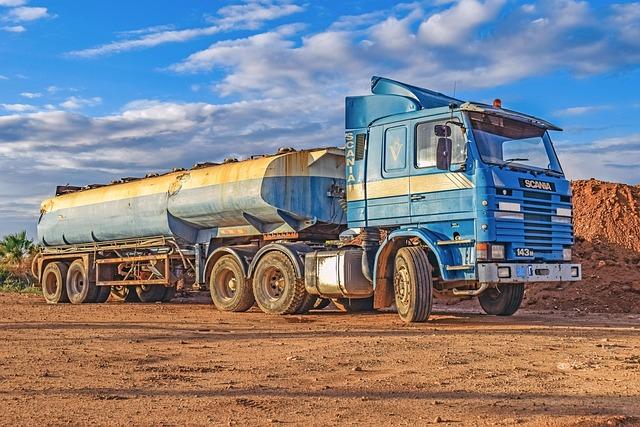
A Russian oil tanker reportedly caught fire in the Mediterranean Sea, according to multiple media sources. The incident has raised concerns over maritime safety and environmental risks in the strategically important waters. Details about the cause of the blaze, the vessel’s condition, and any potential casualties remain unclear as authorities and rescue teams respond to the ongoing situation. This developing story underscores the heightened tensions and complexities surrounding maritime operations in the region.
Russian Tanker Catches Fire in Mediterranean Raising Environmental and Security Concerns
The ongoing blaze on a Russian tanker in the Mediterranean Sea has ignited serious concerns among environmentalists and security experts alike. Smoke billowing from the vessel has been visible for hours, prompting nearby ships to steer clear as authorities work to assess the extent of the damage. The tanker, believed to be carrying a substantial load of fuel, poses a significant risk of a potential oil spill, which could devastate marine ecosystems and threaten the biodiversity of this critical waterway.
Officials have mobilized emergency response teams to contain the situation, but fears remain high due to the complexity of managing fires on oil-laden vessels at sea. Key points in focus include:
- Environmental impact: The threat of toxic runoff and widespread pollution affecting fish populations and coastal communities.
- Maritime security: Potential disruption to commercial shipping routes and security implications amid ongoing geopolitical tensions in the region.
- Response coordination: The collaboration between international actors to mitigate risks and provide assistance.
As the incident unfolds, attention will turn to what safety measures were in place and how authorities plan to prevent similar crises in one of the world’s busiest maritime corridors.
Experts Analyze Potential Causes and Assess Maritime Safety Protocols in High-Risk Zones
Maritime experts are meticulously examining the chain of events leading to the reported fire aboard the Russian tanker in the Mediterranean Sea. Preliminary analyses point to several potential causes, ranging from mechanical failures and human error to possible external interference amid the region’s heightened geopolitical tensions. Investigators emphasize the complexity of such incidents in contested waters, where routine operations are often disrupted by unpredictable challenges. As details remain sparse, specialist agencies are also considering environmental factors like sudden weather changes and their impact on vessel stability and safety systems.
Simultaneously, the incident has prompted a closer inspection of existing maritime safety protocols in zones flagged as high-risk. Authorities and industry stakeholders are advocating for enhanced measures to prevent similar occurrences, including:
- Reinforced emergency response frameworks tailored for conflict-prone maritime corridors.
- Advanced monitoring technologies to provide real-time diagnostics and early warnings.
- Comprehensive crew training focused on situational awareness and crisis management under adverse conditions.
- Improved coordination between international naval forces and commercial operators to safeguard navigational routes.
These steps aim to bolster resilience and mitigate risks for vessels operating in volatile environments, where the stakes for both environmental safety and global trade are exceptionally high.
Recommendations for Enhanced Monitoring and Emergency Response in International Waters
In light of recent incidents such as the reported fire aboard a Russian tanker in the Mediterranean Sea, there is an urgent need to bolster surveillance capabilities across international waters. Establishing a robust network of satellite monitoring combined with real-time data sharing among coastal states and international maritime organizations would significantly improve early detection and situational awareness. Enhancing AIS (Automatic Identification System) coverage and integrating AI-driven analytics can help identify anomalies swiftly, allowing for proactive measures before emergencies escalate.
Key recommendations for strengthening emergency response mechanisms include:
- Developing multinational rapid response teams equipped with specialized firefighting and containment vessels.
- Implementing standardized communication protocols to ensure seamless coordination between flag states, coastal authorities, and international agencies.
- Conducting regular joint drills and simulations focused on diverse maritime disaster scenarios.
- Investing in advanced remote sensing technologies to monitor environmental hazards such as oil spills and toxic emissions post-incident.
These measures are critical to mitigating risks and safeguarding both human lives and the marine environment amidst growing maritime traffic and geopolitical tensions.
The Way Forward
The situation surrounding the Russian tanker reportedly on fire in the Mediterranean Sea remains fluid, with authorities continuing to monitor the incident closely. Further details about the cause of the fire, the condition of the crew, and the potential environmental impact have yet to be confirmed. Updates will be provided as more information becomes available.