
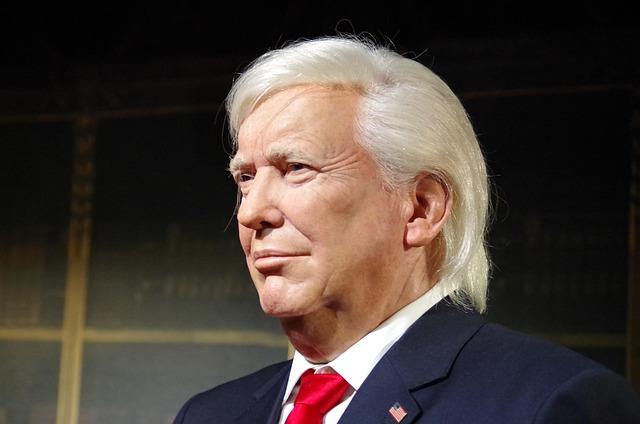
Tensions between the United States and Spain have escalated in recent weeks, drawing renewed attention from European capitals. At the heart of the dispute lies a complex mix of diplomatic friction and economic stakes, with former President Donald Trump’s recent rhetoric fueling concerns about American pressure on Madrid. In a detailed analysis, the European Council on Foreign Relations argues that European nations should stand firmly behind Spain amid these challenges, viewing Washington’s aggressive posture as a threat not only to bilateral ties but to broader European unity and sovereignty. This article explores the roots of the Trump-Sanchez confrontation and examines why a united European response is crucial in defending Spain and, by extension, Europe’s strategic interests.
Trump Challenges to Spain’s Sovereignty Escalate Tensions in Transatlantic Relations
The recent series of remarks and actions by former US President Donald Trump targeting Spain’s governance have unsettled a longstanding alliance and raised critical questions about respect for national sovereignty within the transatlantic partnership. Trump’s public criticisms and implications regarding Spanish territorial integrity represent an unprecedented challenge, not only to Madrid but to the collective European stance on shared values and diplomatic protocols. These moves have sparked a wave of concern among European leaders, who view such confrontations as destabilizing forces in an already complex geopolitical landscape.
European nations must consider the broader implications of allowing external powers to undermine member states through aggressive political posturing. Key points to consider include:
- Preserving the autonomy and unity of EU member states against undue foreign interference
- Maintaining a coherent response to diplomatic provocations that threaten transatlantic cooperation
- Reinforcing commitments to international law and respect for territorial sovereignty
Supporting Spain in this moment is not merely about bilateral relations but about upholding the integrity of Europe’s shared democratic principles and strategic interests.
European Unity at Stake as Washington Pressures Madrid on Strategic Issues
Recent escalations between Washington and Madrid have exposed deep fractures within the transatlantic alliance, challenging the very fabric of European solidarity. As the US ramps up pressure on Spain over key strategic decisions – ranging from military base access to energy partnerships – Madrid finds itself at a crossroads, balancing national interests against the demands of a superpower. Critics argue that Washington’s aggressive tactics not only undermine Spain’s sovereignty but also threaten to destabilize broader EU cohesion at a time when European unity is paramount.
European nations must recognize the broader implications of this standoff. Supporting Spain sends a clear message that the EU will not tolerate external coercion aimed at fracturing its internal consensus. The key stakes include:
- Preserving national autonomy: Ensuring member states can make decisions free from undue US influence.
- Maintaining strategic independence: Upholding Europe’s ability to chart its own course in global affairs.
- Fostering EU solidarity: Presenting a united front in diplomatic and economic negotiations worldwide.
Failing to back Spain could embolden future American interventions elsewhere in the EU, weakening the Union’s collective bargaining power and compromising its long-term resilience.
Why Brussels Must Stand Firm Behind Spain to Safeguard European Interests
Brussels faces a pivotal moment in reaffirming its commitment to unity and strategic autonomy within the European framework. The pressure exerted by Washington on Spain-stemming from diplomatic disagreements and policy clashes-threatens not only bilateral ties but also the cohesion of the European Union as a whole. By standing firmly behind Spain, the EU sends a powerful message that external attempts to divide member states will not be tolerated, preserving the bloc’s integrity and voice on the global stage. This support is essential in the face of escalating geopolitical tensions, where safeguarding European interests calls for unwavering solidarity.
Key reasons for Brussels to back Spain include:
- Upholding the principles of sovereignty and mutual respect among EU member states against unilateral pressures.
- Strengthening Europe’s negotiating power vis-Ã -vis global powers, ensuring the EU remains an independent actor in international affairs.
- Protecting trade and security interests that could be compromised if member states face external coercion.
- Reinforcing the European project’s resilience, which is crucial amid rising nationalism and fragmentation risks.
Key Takeaways
As tensions between the United States and Spain continue to unfold, the European Council on Foreign Relations urges European nations to carefully evaluate the broader implications of siding with Washington’s approach. Supporting Spain not only affirms Europe’s commitment to sovereignty and diplomatic integrity but also reinforces the continent’s strategic independence in global affairs. In an era marked by shifting alliances and geopolitical challenges, Europe’s response to the Trump administration’s pressures will be a defining moment-one that could reshape transatlantic relations for years to come.