
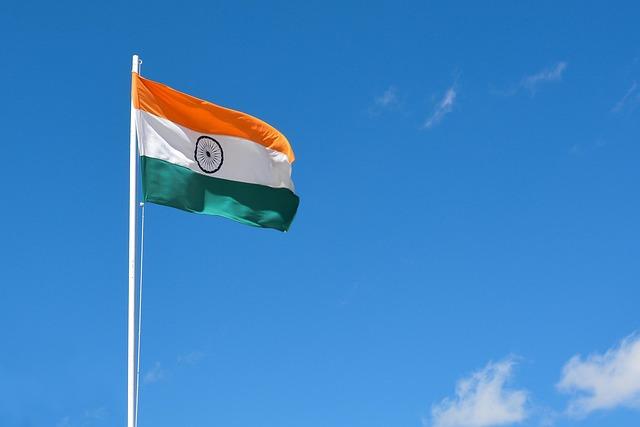
India’s Independence Day, celebrated annually on August 15, marks a pivotal moment in the nation’s history-the end of British colonial rule in 1947. This significant day not only commemorates India’s hard-won freedom but also serves as a powerful reminder of the sacrifices made by countless leaders and citizens during the struggle for independence. Each year, the country comes alive with flag-hoisting ceremonies, parades, and patriotic events that reflect a rich tapestry of cultural pride and national unity. In this article, we explore the historical background, key facts, and contemporary celebrations surrounding India’s Independence Day, shedding light on its enduring importance in the world’s largest democracy.
Independence Day India Origins and Historical Significance
On August 15, 1947, after nearly two centuries of British colonial rule, India emerged as an independent nation. This momentous event marked the end of a prolonged and arduous struggle spearheaded by leaders such as Mahatma Gandhi, Jawaharlal Nehru, and Subhas Chandra Bose, among others. The transfer of power was not only a political triumph but also a testament to the resilience and unity of a diverse population determined to shape its own destiny. The day embodies the culmination of various movements, including the Non-Cooperation Movement, Civil Disobedience, and the Quit India Movement, each playing a vital role in weakening colonial control and galvanizing the masses toward self-rule.
The historical significance of this day extends beyond liberation from foreign dominance; it represents the birth of a democratic republic founded on principles of liberty, equality, and fraternity. Every year, Independence Day celebrations across the country reinforce national pride and honor the sacrifices made by countless freedom fighters. Key elements of the day’s observance include:
- Flag Hoisting Ceremonies: Central to the celebrations, symbolizing sovereignty and unity.
- Parades and Cultural Programs: Showcasing India’s rich heritage and diversity.
- Speeches by Leaders: Reflecting on progress and challenges ahead.
- Tributes to Freedom Fighters: Reminding citizens of the cost of independence.
Collectively, these traditions foster a sense of patriotism and encourage citizens to contribute to the nation’s ongoing journey. The day also serves as a solemn reminder of the importance of safeguarding the democratic values that underpin modern India.
Celebration Traditions Across the Nation
Across India, the nation bursts into vibrant displays of patriotism, with each region adding its own distinctive flair to the day’s festivities. Cities and towns are adorned with tricolor decorations, from fluttering flags to illuminated buildings. The celebrations often begin with early morning flag-hoisting ceremonies, followed by community gatherings where people sing the national anthem and patriotic songs. Schools and colleges organize cultural events, including dances, plays, and speeches that reflect the country’s rich heritage and the enduring spirit of freedom.
Popular customs that unite the country on this historic day include:
- Public parades showcasing India’s defense forces and cultural diversity.
- Flag hoisting by government officials, with the Prime Minister traditionally addressing the nation from Red Fort in Delhi.
- Distribution of sweets and refreshments among community members symbolizing shared joy and unity.
- Patriotic film screenings and special television programs chronicling India’s journey to independence.
- Illumination of landmarks and monuments with patriotic colors and laser shows in the evening.
While the grandeur of the capital’s celebrations often takes center stage, even remote villages join in with local fairs, folk music, and traditional feasts. This collective expression of freedom and pride reflects not just a single moment in history but the ongoing commitment of India’s people to uphold the values of democracy and unity.
Key Facts and Recommended Ways to Honor the Day
Independence Day in India, observed annually on August 15th, marks the nation’s liberation from nearly two centuries of British colonial rule in 1947. This day is not only a historical milestone but also a powerful reminder of the sacrifices made by countless freedom fighters. Key facts underscore the importance of this national holiday: the Indian flag is hoisted across the country, the Prime Minister addresses the nation from the Red Fort in New Delhi, and schools and government offices hold special ceremonies. The event inspires widespread patriotic fervor, with thousands participating in cultural programs, parades, and community service initiatives.
To honor the day respectfully, citizens are encouraged to engage in activities that foster unity and national pride. These include:
- Displaying the Indian tricolor on vehicles and homes.
- Participating in flag-hoisting ceremonies and singing the national anthem.
- Attending or organizing events that celebrate India’s diverse culture and heritage.
- Reflecting on India’s journey towards independence through educational discussions and exhibitions.
- Supporting veterans and those who serve the nation.
These actions honor the spirit of freedom and reinforce a collective commitment to progress, peace, and democracy.
In Summary
As India marks its Independence Day each year on August 15th, the nation reflects on a journey defined by resilience, sacrifice, and unity. From the historic struggles that led to freedom from colonial rule to the vibrant celebrations witnessed today, this day remains a powerful reminder of India’s enduring spirit and democratic ideals. Understanding the rich history and the significance behind Independence Day allows citizens and observers alike to appreciate the profound meaning embedded in the flag-hoisting ceremonies, patriotic songs, and cultural festivities across the country. As India continues to progress on the global stage, Independence Day stands as both a tribute to the past and a beacon for the nation’s future aspirations.