
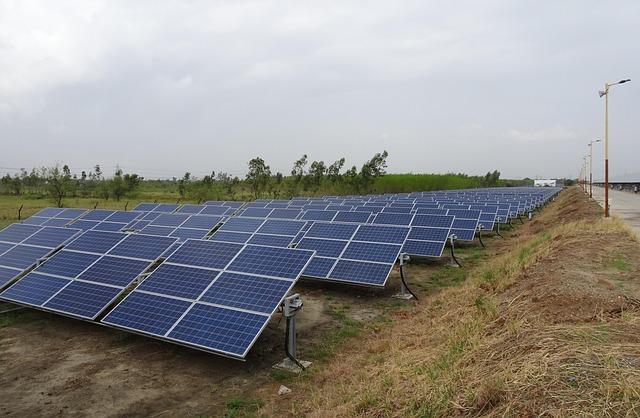
India and Canada have taken a significant step toward strengthening their partnership in clean energy with a new C$2.6 billion renewable energy agreement. This landmark deal, announced this week, aims to accelerate the transition to sustainable power sources while fostering economic growth and technological collaboration between the two nations. As both countries seek to meet ambitious climate targets, this strategic investment highlights a shared commitment to combating climate change and advancing green innovation on a global scale.
India and Canada Strengthen Green Energy Partnership with Historic Renewable Deal
In a landmark move signaling a deepened commitment to sustainable development, India and Canada have inked a C$2.6 billion agreement aimed at accelerating renewable energy projects across both nations. This ambitious deal focuses on expanding solar, wind, and hydroelectric capabilities, harnessing cutting-edge technology to reduce carbon footprints and foster energy independence. Industry experts hail this partnership as a blueprint for international cooperation in meeting global climate goals, highlighting the shared vision of creating resilient, green infrastructure while boosting local economies.
The agreement outlines specific collaborative efforts including:
- Joint investment in renewable infrastructure to support scalable clean energy production.
- Technology exchange programs to innovate and optimize energy efficiency.
- Workforce development initiatives aimed at training professionals for the green economy.
- Policy alignment and regulatory support to facilitate seamless project execution.
This strategic partnership not only paves the way for a low-carbon future but also strengthens bilateral ties, positioning India and Canada as global leaders in sustainable energy transition.
Detailed Analysis of the C$2.6 Billion Investment Impact on Clean Energy Transition
The collaboration between India and Canada marks a pivotal moment in accelerating the global clean energy transition with a robust investment of C$2.6 billion. This financial commitment is strategically poised to bolster renewable infrastructure, particularly in solar and wind energy sectors across both nations. It will catalyze innovation and deployment of cutting-edge technologies, fostering energy security while substantially reducing carbon emissions. Key projects under this investment umbrella are anticipated to create thousands of green jobs, enhance grid resilience, and support sustainable industrial growth, aligning with the global net-zero targets.
- Strengthening bilateral ties by promoting joint ventures and knowledge exchange between Canadian and Indian clean energy firms.
- Fostering sustainable entrepreneurship through grants and incentives aimed at start-ups in the renewable energy ecosystem.
- Scaling up research and development initiatives for breakthroughs in energy storage and smart grid technologies.
- Enhancing local community engagement to ensure inclusive benefits and equitable energy access.
This investment serves as a contemporary blueprint for international cooperation in climate action, demonstrating how economic growth can be harmonized with sustainability goals. As the two nations deepen their commitment to renewable energy, this partnership is expected to trigger ripple effects across global markets, encouraging other countries to pursue aggressive clean energy strategies with confidence.
Strategic Recommendations for Maximizing Sustainability Outcomes from the Bilateral Agreement
To fully leverage the potential of the C$2.6 billion renewable energy deal between India and Canada, it is imperative to adopt a multi-faceted approach that emphasizes innovation, local capacity building, and rigorous performance monitoring. Prioritizing the integration of cutting-edge technologies such as advanced solar photovoltaic systems and smart grid solutions can significantly enhance energy efficiency and reliability. Additionally, establishing strong institutional frameworks that encourage private sector participation will be crucial in accelerating project implementation and ensuring long-term viability. The collaboration must also focus on empowering local communities by facilitating skills development and creating employment opportunities in the clean energy sector, thereby aligning economic growth with environmental stewardship.
Moreover, the agreement’s sustainability outcomes can be maximized by incorporating stringent environmental and social governance (ESG) criteria throughout the project lifecycle. This includes comprehensive impact assessments and transparent reporting mechanisms that hold all stakeholders accountable. Embracing adaptive management strategies can help address evolving challenges such as climate variability and resource constraints, ensuring resilience and scalability of renewable solutions. Key strategic actions to consider include:
- Promoting knowledge exchange between Indian and Canadian experts to foster innovation and best practices.
- Developing supportive policy frameworks that incentivize green investments and reduce regulatory bottlenecks.
- Implementing community-centric models that prioritize equitable access to clean energy.
- Ensuring continuous monitoring and evaluation to measure sustainability impacts and optimize resource use.
In Retrospect
The landmark C$2.6 billion renewable energy agreement between India and Canada marks a significant step forward in international collaboration on sustainable development. As both nations strive to meet ambitious climate goals, this partnership not only accelerates the transition to clean energy but also sets a precedent for future cross-border investments in sustainability. With continued cooperation and innovation, India and Canada are poised to play pivotal roles in shaping a greener, more resilient global energy landscape.