
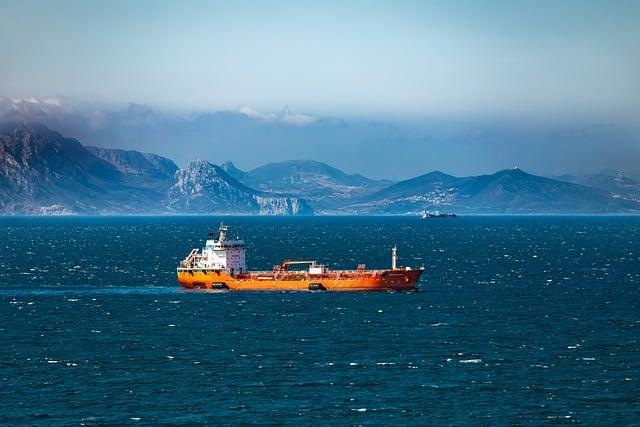
In a surprising twist to global oil trade dynamics, seven Russia-bound oil tankers originally destined for China have reportedly reversed course and are now heading to India. This unexpected development underscores the shifting landscape of energy partnerships amid geopolitical tensions and evolving market demands. The move highlights India’s growing role as a key player in the international energy sector while signaling potential changes in Russia’s export strategies.
China Bound Russian Oil Tankers Divert Course Amid Geopolitical Shifts
In a surprising turn of events influenced by evolving geopolitical dynamics, seven Russian oil tankers initially destined for China have altered their routes, redirecting their cargoes to India. Industry sources indicate that this strategic diversion comes amid mounting international pressures and recalibrations in energy trade alliances, reshaping the traditional flow of Russian crude in Asia. The rerouted shipments highlight India’s growing role as a key energy importer willing to capitalize on discounted Russian oil amidst Western sanctions.
Key factors driving this shift include:
- Increased Scrutiny: Intensified global monitoring of oil supply chains has led to heightened risks for carriers bound for China, prompting reroutes.
- Economic Opportunity: India’s demand for affordable energy supplies has surged, making it a lucrative destination for redirected shipments.
- Geopolitical Realignment: Russia’s pivot towards India reflects a strategic realignment to circumvent diplomatic constraints and maintain export volumes.
Implications of Russian Oil Redirection for India Energy Market
The sudden rerouting of seven Russian oil tankers from China to India signals a strategic pivot with significant ramifications for the Indian energy landscape. This shift not only underscores India’s growing role as a key buyer in the global oil market but also indicates a potential realignment of supply routes amid geopolitical tensions. The influx of Russian crude, often discounted due to sanctions and market constraints, offers India a lucrative opportunity to secure energy supplies at competitive prices, bolstering its efforts to meet rising domestic demand.
Key impacts on the Indian energy sector include:
- Cost advantages: Access to Russian oil at lower prices could reduce India’s overall import bill, easing inflationary pressures linked to fuel costs.
- Energy security: Diversifying import sources enhances supply stability, reducing reliance on the Middle East and mitigating risks tied to regional volatility.
- Refinery optimization: Indian refineries may need to adapt configurations to process heavier, sour Russian crude, potentially spurring investments in upgrading infrastructure.
- Geopolitical leverage: Strengthened energy ties with Russia could reshape India’s diplomatic calculus, balancing relations between Western nations and global partners.
Strategic Recommendations for India to Capitalize on Growing Russian Oil Imports
In response to the shifting dynamics of global oil flows, India is uniquely positioned to strengthen its energy security by ramping up imports from Russia. The recent rerouting of seven Russia-bound oil tankers from China to Indian ports signals a pivotal opportunity to deepen bilateral energy cooperation. To capitalize effectively, India should prioritize the establishment of long-term purchase agreements that lock in competitive pricing and supply volumes, thereby insulating its economy from volatile international markets. Additionally, expanding strategic petroleum reserves in proximity to key refining hubs will provide a crucial buffer against potential supply disruptions.
Beyond procurement, India must enhance its refining infrastructure to process the higher volumes of Russian crude, which often differ in composition from other sources. This necessitates targeted investments in refinery upgrades and adopting cutting-edge technologies to optimize yield. Other strategic measures include:
- Streamlining regulatory approvals to expedite imports and reduce bureaucratic delays
- Diversifying logistics and shipping routes to improve resilience and lower transit risks
- Engaging diplomatically with Russia to ensure uninterrupted energy collaboration amidst geopolitical uncertainties
Collectively, these steps can enable India not only to bolster its energy portfolio but also to emerge as a key global player amidst rapidly evolving hydrocarbon trade patterns.
Wrapping Up
The unexpected rerouting of seven Russia-bound oil tankers to India underscores the shifting dynamics in global energy trade amid evolving geopolitical tensions and sanctions. As India emerges as a significant buyer of Russian oil, this development highlights the country’s growing role in the international energy market and raises questions about the broader implications for global supply chains and diplomatic relations. Stakeholders will be watching closely to assess how these movements influence regional alliances and future trade patterns.