
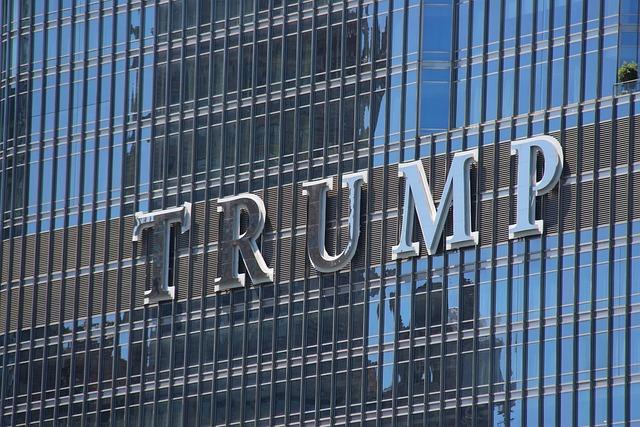
Former U.S. President Donald Trump has publicly criticized allied nations, singling out Australia in a recent outburst over what he perceives as insufficient support in safeguarding the strategic Strait of Hormuz. In remarks reported by ABC News, Trump expressed frustration with the level of aid provided by partner countries amid escalating tensions in the vital shipping corridor. This unexpected naming of Australia underscores ongoing debates over burden-sharing and international security commitments in the region.
Trump Calls Out Australia Over Strait of Hormuz Security Support
In a pointed statement that has stirred diplomatic tensions, former President Donald Trump sharply criticized Australia for its perceived reluctance to participate in security operations in the Strait of Hormuz. The strategic waterway, vital for global oil shipments, has seen increased military presence from various nations amid rising regional conflicts. Trump emphasized that the U.S. had expected stronger support from its allies, particularly Australia, which he implied had fallen short in its commitments to joint security efforts.
Key points from Trump’s remarks include:
- Accusations that Australia has been uncooperative in providing naval support for securing the Strait of Hormuz.
- Calls for firmer international alliances to maintain freedom of navigation in the crucial passage.
- Warnings about the risks of escalating tensions if more global players do not step up their involvement.
Analyzing the Strategic Importance of International Aid in the Strait of Hormuz
International aid in the Strait of Hormuz is not merely a humanitarian gesture but a critical cog in maintaining global economic stability and maritime security. The region serves as a pivotal chokepoint, channeling approximately one-fifth of the world’s petroleum, making it essential for energy-dependent economies. Amid escalating geopolitical tensions, strategic assistance-from naval patrols to logistical support-ensures safe passage for commercial vessels, deters hostile actions, and underpins trade routes pivotal for global markets. The coordination of allied nations in this effort reflects a shared interest in preventing disruptions that could ripple through international supply chains and inflate energy costs worldwide.
Key elements of international aid in the Strait include:
- Joint naval exercises and intelligence sharing to enhance situational awareness.
- Provision of humanitarian aid to local communities affected by conflict-induced instability.
- Financial and logistical backing to support anti-piracy and counter-terrorism operations.
- Diplomatic engagement aimed at conflict resolution and maintaining open communication channels.
Such collaboration underscores the importance of sustained commitment by involved nations. The absence or withdrawal of aid, as highlighted by recent political criticisms, risks undermining these efforts, potentially escalating tensions and jeopardizing the security framework that safeguards one of the world’s most vital maritime corridors.
Experts Recommend Strengthening Multinational Cooperation to Ensure Maritime Stability
Amid escalating tensions in key maritime chokepoints, specialists urge a coordinated approach among nations to maintain uninterrupted sea traffic and prevent conflict. They emphasize that unilateral actions or isolated responses risk exacerbating instability, urging instead a framework where intelligence sharing, joint patrols, and maritime security exercises become standard practice. Such cooperation is seen as essential not only for safeguarding commercial shipping lanes but also for deterring hostile engagements in strategically vital areas like the Strait of Hormuz.
Analysts highlight several critical measures to enhance collective security, including:
- Establishing multinational naval task forces with clear mandates and communication channels.
- Implementing real-time information exchange platforms to monitor threats and coordinate responses.
- Developing unified rules of engagement to prevent misunderstandings and escalation during encounters at sea.
Experts contend that reinforcing these collaborations is pivotal in deterring provocations and ensuring the free flow of commerce, ultimately contributing to regional and global economic stability.
In Retrospect
As tensions continue to simmer in the Strait of Hormuz, former President Donald Trump’s unexpected mention of Australia highlights the complexities and frustrations surrounding international support and security in the region. The developments underscore the ongoing challenges faced by global powers in ensuring safe passage through this critical maritime corridor, with diplomatic efforts likely to remain under close scrutiny in the days ahead.