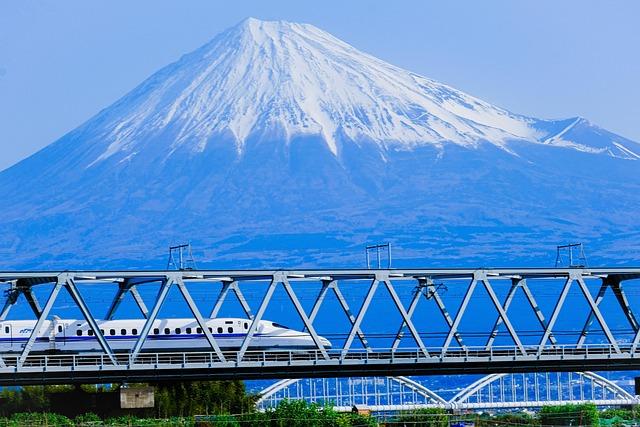
In a groundbreaking move to enhance passenger safety, Japan’s railway system will now incorporate an additional 20 seconds of warning time designed to avert disaster in the event of earthquakes. This new protocol, announced this week, aims to leverage precious seconds to halt trains and prevent catastrophic accidents amid the country’s frequent seismic activity. The adjustment reflects Japan’s ongoing commitment to disaster preparedness and technological innovation in safeguarding its extensive rail network, which serves millions daily.
Train Operators Gain Crucial Extra Seconds to Enhance Earthquake Response
Japan’s railway systems are set to gain a vital time advantage in the event of an earthquake, following the implementation of measures that grant train operators an additional 20 seconds to respond before a quake strikes. This extra window is designed to enhance the precision and effectiveness of emergency protocols, allowing conductors to slow down or stop trains, thereby minimizing the risks of derailments and injuries. The adjustment stems from technological upgrades in the earthquake early warning systems, which now deliver faster and more accurate alerts to rail operators nationwide.
Key benefits of the updated system include:
- Improved safety for commuters by ensuring trains halt in safer zones away from vulnerable infrastructure
- Reduced likelihood of cascade accidents triggered by sudden seismic events
- Enabling coordinated responses between train operators and emergency services
This enhanced alert system marks a significant step forward in Japan’s ongoing efforts to fortify public transit against natural disasters, underlining the country’s commitment to leveraging advanced technology in safeguarding urban mobility.
Advanced Safety Protocols Aim to Minimize Rail Disaster Risks in Seismic Zones
Japan’s rail system is set to bolster its earthquake response capabilities by integrating cutting-edge seismic detection technology, designed to extend the critical warning period for high-speed trains by an additional 20 seconds. This enhancement allows train operators more time to initiate emergency braking procedures, reducing the risk of derailments or collisions during major tremors. The innovative system utilizes advanced sensors strategically placed along fault lines and key rail segments, providing real-time data to centralized control centers. By automating quicker reaction times, engineers aim to minimize the devastating impact of seismic activity on densely traveled rail networks.
Key components of this strategy include:
- Rapid Data Transmission: Instantaneous communication between seismic sensors and train control units ensures timely alerts.
- Automated Braking Systems: Trains receive direct commands to reduce speed or stop without relying solely on human operators.
- Fault-Line Monitoring: Continuous surveillance of known seismic hotspots enhances predictive response accuracy.
Together, these protocols reflect Japan’s commitment to pioneering rail safety innovations, setting a global standard in disaster preparedness for seismic-prone urban infrastructure.
Experts Recommend Nationwide Adoption of Extended Alert Systems for Rapid Evacuation
In response to the increasing threat of devastating earthquakes, specialists are urging the implementation of enhanced alert systems that can provide critical additional seconds for evacuation efforts. These advanced systems, designed to trigger early warnings across multiple platforms nationwide, would allow vital extra moments for people to secure themselves and for infrastructure systems, such as trains, to halt operations safely. Experts argue that even a brief extension in warning times can substantially reduce casualties and prevent catastrophic failures in public transit and other vulnerable sectors.
Key recommendations from authorities include:
- Upgrading current seismic sensors to more sensitive, real-time data processing units.
- Synchronizing alerts across public transportation, emergency services, and mass communication channels.
- Implementing automated protocols for critical infrastructure to initiate safe shutdowns promptly.
- Enhancing public awareness campaigns to ensure swift and organized evacuations following warnings.
In Summary
As Japan continues to grapple with the ever-present threat of earthquakes, the decision to extend train warning times by an additional 20 seconds marks a significant advancement in public safety measures. This strategic enhancement aims to reduce the risk of accidents and save lives by providing crucial extra moments for trains to slow down or stop before seismic shocks strike. While challenges remain in perfecting early warning systems, Japan’s commitment to leveraging technology and infrastructure improvements underscores its proactive approach to disaster preparedness in one of the world’s most earthquake-prone regions.