
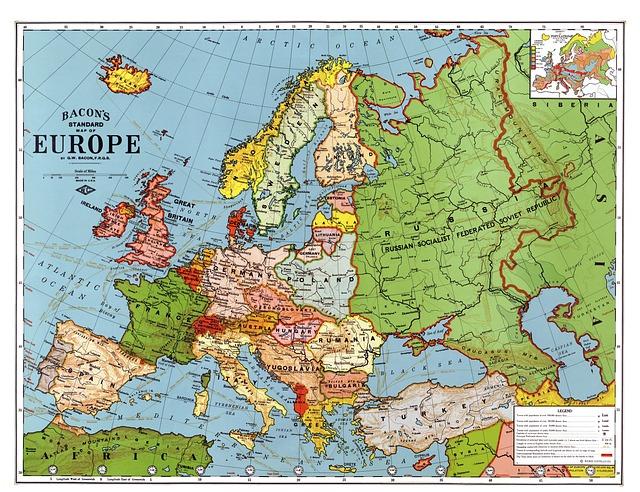
The Centre for Information Resilience has launched “Eyes on Russia Map,” a new digital tool aimed at tracking and analyzing disinformation campaigns originating from Russia. As geopolitical tensions continue to escalate, this interactive map provides real-time insights into the spread and impact of misleading narratives across social media and news platforms. By offering an evidence-based resource, the initiative seeks to enhance public awareness and support efforts to counteract state-sponsored information warfare.
Analysis of Russian Disinformation Tactics and Their Global Impact
Russia’s disinformation apparatus employs a multifaceted approach combining traditional media influence with cutting-edge digital strategies. Central to this method is the strategic deployment of fake social media accounts, often automated bots, designed to amplify divisive narratives and sow distrust within target populations. Additionally, state-backed media outlets craft misleading or completely fabricated stories that are then syndicated through various channels to maximize reach and efficiency. These narratives frequently exploit existing social, political, and economic fractures, tailoring content to resonate with local grievances while intentionally obscuring the ultimate source of information.
Key tactics include:
- Coordinated timing of misinformation campaigns to coincide with elections or major political events.
- Utilization of deepfake technology and manipulated videos to discredit political opponents and activists.
- Integration of conspiracy theories to overpower legitimate news with sensational content.
- Strategic targeting of diaspora communities and foreign policymakers to influence international opinion.
The consequences of these tactics ripple across the globe, undermining democratic institutions and fostering geopolitical instability. Nations across Europe, North America, and parts of Asia have reported heightened polarization and diminished trust in conventional media, challenges that strain social cohesion and complicate diplomatic relations. As this form of hybrid warfare evolves, understanding and countering Russian disinformation remains a critical priority for governments, tech platforms, and civil society alike.
Navigating the Digital Battlefield The Role of the Centre for Information Resilience
In an era where disinformation can alter the course of geopolitics, the Centre for Information Resilience (CIR) stands at the forefront, actively countering the pervasive influence of misleading narratives emanating from Russia. Through meticulous data analysis and real-time monitoring of digital platforms, the CIR exposes coordinated information campaigns designed to destabilize democracies and shape public opinion. Their efforts stretch across social media networks, shadowy bot farms, and state-sponsored propaganda outlets, unraveling complex webs of deception with unparalleled precision.
Key strategies employed by the CIR include:
- Tracking misinformation flows and identifying their origin points
- Collaborating with international partners to amplify fact-based reporting
- Enhancing public digital literacy to build resilience against false narratives
- Developing advanced tools for detecting synthetic media and deepfakes
By turning the spotlight on Russia’s covert information operations, the CIR not only informs policy decisions but also empowers citizens to discern truth in a saturated information environment. Their work exemplifies the critical intersection of technology, intelligence, and civic engagement in safeguarding the integrity of digital spaces worldwide.
Strategic Recommendations for Countering Kremlin Influence Operations
To effectively confront Kremlin influence operations, a comprehensive approach centered on transparency and resilience must be adopted. Governments and civil society organizations should prioritize the development of robust media literacy programs aimed at empowering citizens to critically assess information sources. Enhancing collaboration between public and private sectors, especially social media platforms, is essential to identify and swiftly respond to disinformation campaigns. Additionally, increasing investment in advanced analytic technologies can help detect covert influence efforts before they gain traction, thereby safeguarding democratic processes.
Equally vital is the establishment of international coalitions dedicated to sharing intelligence and best practices related to information warfare. Strategic emphasis on supporting independent journalism and fact-checking initiatives must continue, reinforcing public trust in reliable news outlets. Policymakers should also explore regulatory frameworks that hold foreign propagandists accountable without compromising free speech. Through these concerted efforts, the manipulation of public opinion and erosion of democratic institutions by Kremlin-backed operations can be significantly undermined.
The Way Forward
As geopolitical tensions continue to evolve, the Eyes on Russia Map by the Centre for Information Resilience stands as a vital tool in tracking and understanding information warfare in the region. By offering real-time data and in-depth analysis, it equips policymakers, journalists, and the public with the necessary insights to navigate a complex information landscape. Staying informed through initiatives like this remains essential as the situation unfolds, underscoring the importance of transparency and resilience in the face of disinformation.