
Amidst the ongoing global fuel crisis, South Australia’s Premier has announced that regional areas within the state will be prioritized for fuel supply. The move comes as disruptions to international fuel markets continue to impact availability and prices nationwide. According to the Premier, this decision aims to safeguard essential services and support rural communities during a period of heightened uncertainty.
Premier Commits to Securing Fuel Supply for Regional South Australia Amid Global Shortages
In response to escalating global fuel shortages, the South Australian Premier has reaffirmed the government’s commitment to prioritizing the region’s fuel supply. Recognizing the critical importance of uninterrupted fuel access for businesses, farmers, and essential services, the administration is deploying a series of strategic measures to safeguard against potential disruptions. These efforts aim to ensure that regional communities remain resilient amid ongoing international supply chain challenges.
Key initiatives outlined by the Premier include:
- Securing additional fuel imports specifically earmarked for regional distribution hubs.
- Enhancing coordination with transport and logistics sectors to streamline fuel delivery.
- Strategic stockpiling designed to maintain reserves that can buffer against shortages.
- Collaboration with local stakeholders to monitor supply levels and respond rapidly to any emerging concerns.
These measures underscore the government’s proactive approach in navigating the complexities of the global energy market, ensuring regional South Australia is not left vulnerable during this crisis.
Key Strategies to Prioritize Regional Areas Highlighted in Government Response
The government has outlined several targeted measures to ensure regional South Australia remains a priority for fuel supply during the ongoing global crisis. Central to this approach is the establishment of a dedicated fuel allocation system that guarantees regional communities receive their agreed share before metropolitan areas. This proactive step aims to mitigate the risk of shortages and price spikes in rural and remote locations, where access to essential services heavily depends on steady fuel availability.
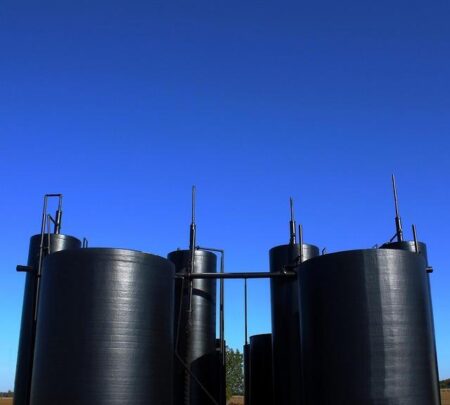
Additionally, authorities are ramping up collaboration with local fuel distributors and logistics providers to enhance delivery efficiency and infrastructure resilience. Supporting initiatives include investing in increased storage capacity at key regional hubs and prioritizing rapid response teams to address any supply chain disruptions swiftly. Through these combined efforts, the government hopes to safeguard the economic stability of regional South Australia and maintain vital transport links amid a volatile global market.
- Implementation of fuel allocation systems for regional communities
- Partnerships with local distributors to streamline logistics
- Investment in storage and supply infrastructure upgrades
- Prioritizing rapid response to supply chain interruptions
Experts Recommend Continued Investment in Local Infrastructure to Mitigate Future Crises
Government officials and industry specialists emphasize the critical role of strengthening regional infrastructure to safeguard communities against escalating global uncertainties. With supply chains under increasing pressure from international conflicts and natural disasters, bolstering local networks ensures essential services remain operational during times of disruption. Experts highlight investments in upgrading transport routes, energy grids, and communication systems as foundational measures to enhance resilience and responsiveness.
Key recommendations from the advisory panels include:
- Expanding renewable energy projects to reduce reliance on vulnerable external fuel supplies.
- Enhancing storage facilities for critical resources to maintain steady availability in emergencies.
- Improving digital infrastructure to support remote monitoring and swift coordination during crises.
- Prioritizing community engagement to ensure local needs and expertise guide infrastructure development.
Such targeted investments not only mitigate immediate risks but also foster long-term economic stability. As regions like South Australia prepare to face ongoing and future challenges, these strategies serve as essential pillars in building adaptive and self-sufficient communities.
In Summary
As the global fuel crisis continues to impact markets worldwide, the Premier’s commitment to prioritising regional South Australia offers a measure of reassurance to communities often overlooked during times of scarcity. While challenges remain, this strategic focus aims to ensure that essential services and regional economies receive the support they need to navigate these turbulent times. Authorities will continue to monitor the situation closely, striving to balance supply demands and maintain stability across the state.