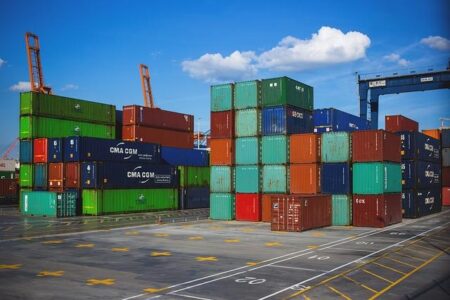

China has launched formal investigations into American trade practices following the latest tariff measures imposed by the Trump administration, escalating tensions between the world’s two largest economies. The Chinese government’s response marks a significant development in the ongoing trade dispute, signaling a hardened stance amid fears of a prolonged economic conflict. This move comes shortly after the United States announced new tariffs targeting Chinese goods, prompting Beijing to scrutinize U.S. policies and practices that it claims violate global trade rules.
China Launches Formal Inquiry into US Trade Measures Following Tariff Escalation
In a decisive move reflecting escalating trade tensions, China has initiated a formal investigation into recent tariff measures imposed by the United States. The inquiry targets what Beijing describes as “unjustified and discriminatory” trade barriers introduced under the Trump administration’s latest policy shift. Chinese officials emphasize that this step aims to ensure fair trade practices and protect the interests of domestic industries adversely affected by the increasing tariffs.
Key highlights of the investigation include:
- Assessment of the economic impact of US tariffs on Chinese exports
- Evaluation of compliance with World Trade Organization (WTO) rules
- Potential retaliatory actions based on investigation findings
Experts suggest that Beijing’s probe could prolong trade uncertainties and hinder the ongoing negotiations between the two economic powers. Industry leaders and market watchers remain vigilant as the inquiry unfolds, anticipating that the dispute resolution process might set precedent for future tariff-related conflicts on the global stage.
Implications for Global Trade Relations and Market Stability Explored
The initiation of investigations by China into U.S. trade practices marks a significant escalation in bilateral economic tensions, potentially reshaping the dynamics of global commerce. This move signals Beijing’s intent to challenge Washington’s recent tariff implementations under the Trump administration, which were initially aimed at correcting what the U.S. described as unfair trade imbalances. Market analysts warn that these reciprocal actions could trigger a cycle of retaliatory measures, leading to increased volatility in international trade markets and unsettling established supply chains.
Key areas of concern for global traders and investors include:
- Disruption of cross-border supply chains: Companies may face rising costs and delayed production schedules as tariffs and countermeasures proliferate.
- Market uncertainty: Heightened geopolitical risks could dampen investment confidence, influencing stock markets and currency stability across the globe.
- Shifts in trade alliances: Nations may reconsider trade partnerships, seeking alternative markets to mitigate exposure to China-U.S. tensions.
These developments underscore the delicate balance of economic diplomacy in a highly interconnected global market, emphasizing the need for strategic negotiations to prevent further disruption.
Experts Urge Diplomatic Engagement and Multilateral Dialogue to Resolve Trade Disputes
Amid escalating tensions sparked by recent tariff impositions, specialists emphasize the necessity of constructive diplomatic efforts to navigate the complex trade frictions between China and the United States. They argue that unilateral measures risk deepening economic rifts and advocate for sustained dialogue involving multiple countries to ensure fair and transparent trade practices. According to trade analysts, a collaborative approach could help mitigate the adverse effects on global markets and foster a mutually beneficial environment for international commerce.
Key recommendations put forward by experts include:
- Establishing regular bilateral talks to address contentious issues and build trust.
- Engaging multilateral trade bodies to mediate and enforce compliance with international rules.
- Promoting open communication channels that prioritize negotiation over retaliation.
Such strategies aim to create a framework where disputes are resolved through cooperation rather than confrontation, highlighting the critical role diplomacy plays in maintaining economic stability amid geopolitical challenges.
Wrapping Up
As China launches formal investigations into US trade practices following the recent tariff measures enacted by the Trump administration, the prospect of escalating tensions between the world’s two largest economies looms large. Observers will be closely monitoring developments on both sides, as these moves signal a continued unraveling of trade cooperation and raise questions about the future of global economic stability. Further updates are expected as investigations progress and policymakers respond.