
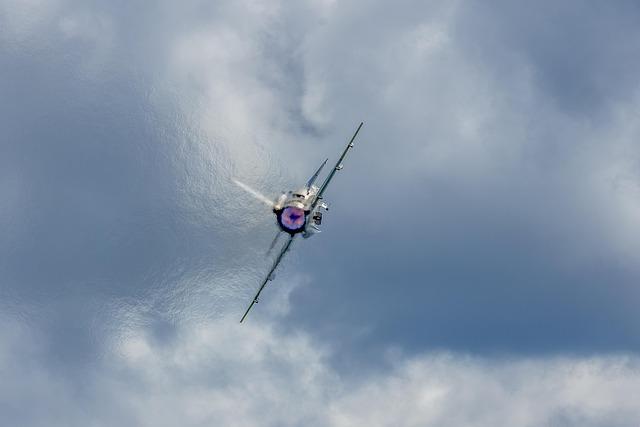
In the escalating conflict between Ukraine and Russia, innovative military support continues to shape the battlefield dynamics. Recently, attention has turned to two Saab-manufactured aircraft that could provide a critical advantage to Ukrainian forces. These planes, known for their advanced technology and versatility, may bolster Ukraine’s defensive and offensive capabilities in a conflict where air superiority remains a contested and vital element. This article explores how the deployment of these Saab planes could influence the ongoing war and what their arrival signifies for the broader geopolitical struggle in Eastern Europe.
Saab Aircraft Capabilities and Their Tactical Advantages in the Ukraine Conflict
Saab’s aircraft bring a unique blend of agility, advanced avionics, and cost-effective operation that is especially pertinent in the protracted conflict in Ukraine. Notably, the Saab JAS 39 Gripen, with its multirole capabilities, offers Ukraine the ability to conduct rapid air-defense, reconnaissance, and precision strike missions, thereby enhancing battlefield situational awareness and imposing significant operational challenges on Russian forces. Its state-of-the-art electronic warfare systems and sensor fusion allow pilots to detect threats earlier and respond faster, which is vital in the contested airspace where conventional fighters may struggle to maintain air superiority.
Equally important is the Saab Skeldar UAV, which provides real-time intelligence, surveillance, and reconnaissance (ISR) that complements manned aircraft and ground units. This unmanned system extends Ukraine’s battlefield reach without risking pilot lives and can operate in harsh environments with minimal logistical support. The tactical advantages include:
- Persistent surveillance: Continuous monitoring of enemy positions reduces the element of surprise.
- Target acquisition: Enhanced precision for artillery and air strikes.
- Force multiplier effect: Increasing operational tempo with fewer assets.
These capabilities collectively improve Ukraine’s defensive posture and enable more dynamic offensive operations, pushing back against Russian advances with greater strategic flexibility.
Integrating Saab Planes into Ukraine’s Defense Strategy for Enhanced Air Superiority
Ukraine’s ongoing conflict with Russia demands not only resilience but strategic enhancements in air defense capabilities. Integrating Saab’s advanced aircraft into Kyiv’s arsenal could mark a significant shift in the nation’s ability to dominate the skies. These platforms are equipped with cutting-edge avionics, powerful radar systems, and multirole functionality, allowing Ukrainian forces to conduct both defensive and offensive operations with greater precision and reach. Their agility and superior electronic warfare features provide a critical edge against Russian air assets, potentially neutralizing threats before they can materialize in contested airspace.
Key advantages to consider include:
- Enhanced Situational Awareness: Saab’s sensor fusion technology grants pilots an unparalleled battlefield picture, boosting responsiveness and coordination.
- Cost-Effective Deployment: Compared to larger fighter jets, these aircraft offer advanced capabilities at a fraction of operational costs, ensuring sustainability during prolonged conflict.
- Interoperability with NATO Systems: Streamlined integration with Western allies enables joint operations and intelligence-sharing, strengthening Ukraine’s defense network.
- Versatile Payload Options: The planes can carry a diverse range of weaponry, tailoring missions to air-to-air combat, ground support, or reconnaissance roles.
Incorporating Saab’s proven technology into Ukraine’s air strategy presents a pragmatic approach to shifting the balance of power, reinforcing national sovereignty, and deterring aggression through undeniable air superiority.
Policy Recommendations for Accelerating Saab Aircraft Support to Ukraine
To expedite the deployment of Saab aircraft in support of Ukraine, policymakers must prioritize streamlined export controls and enhance diplomatic coordination among NATO allies. Removing bureaucratic hurdles that delay the transfer of military technology will be critical in ensuring Ukraine receives these advanced assets without unnecessary lag. Additionally, establishing a dedicated task force to oversee the logistics and training related to Saab platforms would facilitate a faster operational integration, maximizing their impact on the battlefield.
Furthermore, bolstering financial assistance and technical support packages specifically tailored for the maintenance and operational readiness of Saab planes is essential. This should include joint training programs with Ukrainian pilots and maintenance crews, as well as investment in supply chain resilience for critical spare parts. Encouraging public-private partnerships within the defense sector can also accelerate innovation and adaptation, ensuring that Ukraine maintains a robust aerial defense capability amidst ongoing conflict pressures.
- Expedite export licenses and reduce bureaucratic delays.
- Coordinate multinational support through NATO channels.
- Implement specialized training programs for Ukrainian personnel.
- Invest in sustainable supply chains for aircraft maintenance.
- Promote public-private partnerships for technological innovation.
The Conclusion
As the conflict in Ukraine continues to evolve, the potential deployment of Saab’s aircraft offers a nuanced addition to the country’s defensive capabilities. While not a game-changer on its own, these platforms could enhance situational awareness and precision targeting, providing Ukraine with critical tactical advantages. How this development unfolds-and the international response it may provoke-remains to be seen. What is clear, however, is that every asset counts in a conflict defined by rapidly shifting dynamics and high stakes on the ground.