
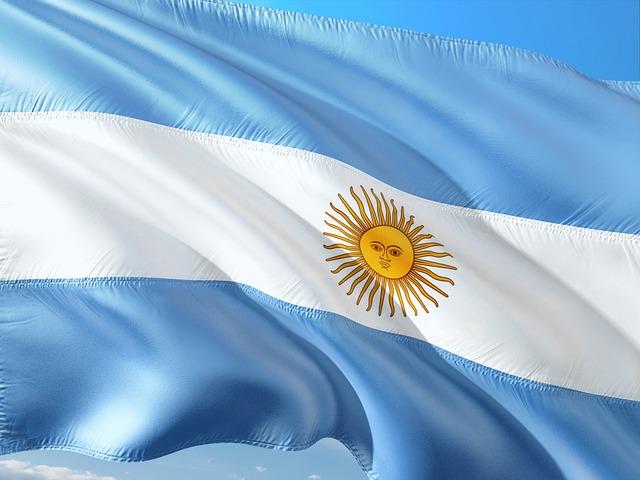
Argentina has officially announced its withdrawal from the World Health Organization (WHO), marking a significant development in global health diplomacy. This decision, reported by Al Jazeera, comes amid ongoing tensions with the United States and raises questions about the future of international cooperation on public health issues. The move positions Argentina as the latest country to step back from the WHO, underscoring shifting geopolitical dynamics that could impact global responses to health crises.
Argentina Withdraws from World Health Organization amidst Growing Global Health Tensions
In a move that has sent shockwaves through the global health community, Argentina has formally announced its decision to withdraw from the World Health Organization. The South American nation cited growing frustrations over what it describes as increasing politicization within the organization, echoing similar concerns voiced by the United States earlier this year. Argentine officials emphasized the need to reassess their international health commitments amid what they call a “shifting global health landscape” that demands more focused, sovereign-led approaches.
The decision has sparked intense debate among experts and policymakers, raising questions about the potential implications for regional cooperation and global health initiatives. Argentina’s withdrawal underscores broader tensions impacting the WHO, including:
- Concerns over transparency and decision-making processes
- Disagreements surrounding pandemic response strategies
- Pressure from nationalist and sovereignty-driven political currents
As countries recalibrate their positions, the international community watches closely to gauge whether this trend will inspire further departures or calls for WHO reform.
Implications for Regional Public Health and International Collaboration
Argentina’s withdrawal from the World Health Organization sends shockwaves through the regional public health landscape. The move threatens to disrupt coordinated efforts to combat pandemics, control infectious diseases, and address emerging health crises that transcend borders. Local health authorities will face increased challenges in accessing timely data, international expertise, and crucial resources that have historically been facilitated through WHO channels. This fragmentation could exacerbate disparities in healthcare infrastructure and preparedness among South American nations, undermining collective capacity to respond effectively to health emergencies.
On an international scale, this decision may strain collaborations critical to maintaining global health security. The departure mirrors a growing trend of skepticism towards multilateral institutions, complicating diplomatic relations and potentially encouraging other countries to reconsider their commitments. Key components of successful international cooperation – such as shared research, funding for vaccines, and unified guidelines – risk dilution. Stakeholders emphasize:
- Urgency in establishing alternative cooperative frameworks
- Strengthening bilateral and regional partnerships
- Ensuring uninterrupted access to health innovations and support
These measures are seen as vital to mitigate fallout from Argentina’s unprecedented step and preserve momentum in global health initiatives.
Experts Call for Renewed Dialogue and Strengthened Multilateral Health Commitments
In the wake of Argentina’s unprecedented move to sever ties with the World Health Organization, global health experts are urgently advocating for a reinvigorated platform for international health dialogue. Analysts warn that such withdrawals risk fragmenting efforts crucial to tackling pandemics, controlling infectious diseases, and addressing health inequities worldwide. They stress that the era of national isolation in health policy is untenable, especially amidst ongoing challenges like COVID-19 variants and emerging zoonotic threats.
Key recommendations put forth by health leaders include:
- Renewed diplomatic engagement aimed at bridging political divides within global health governance bodies.
- Commitment to strengthening multilateral frameworks to ensure equitable access to vaccines, diagnostics, and therapeutics.
- Investment in transparent data sharing and collaborative research initiatives across borders.
- Prioritizing the inclusion of diverse voices from low- and middle-income countries in decision-making processes.
As the international community grapples with these developments, experts caution that maintaining solidarity through cooperative health measures is indispensable for global resilience. The withdrawal alerts policymakers to the urgent need for revitalizing trust and reinforcing collective commitments under the WHO’s umbrella.
Wrapping Up
As Argentina officially withdraws from the World Health Organization, the move marks a significant shift in the country’s approach to global health cooperation. While details surrounding the decision and its implications continue to unfold, the withdrawal raises important questions about the future of Argentina’s engagement with international health initiatives amid a landscape already challenged by the ongoing pandemic. Observers will be closely monitoring how this development affects both regional health partnerships and the broader efforts to address global public health challenges.