
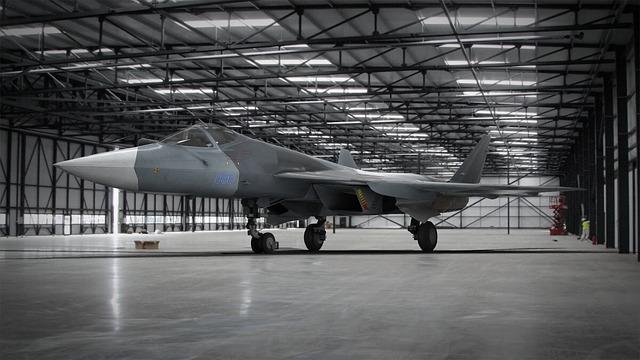
At least 30 people have died after a Russian military transport plane crashed in the annexed region of Crimea, according to official reports. The incident marks one of the deadliest aviation accidents involving Russian forces in recent years and raises renewed concerns over the safety of military operations in the contested peninsula. Authorities are currently investigating the cause of the crash, while rescue teams continue to search the site for survivors. This tragic event adds further tension to an already volatile region marked by ongoing geopolitical conflict.
Russian Military Transport Plane Crash Claims Dozens of Lives in Annexed Crimea
A Russian military transport plane tragically crashed in the territory of Crimea, resulting in the loss of at least 30 lives, according to official reports. The aircraft, believed to be carrying servicemen and equipment, went down shortly after takeoff under unclear circumstances. Emergency response teams swiftly arrived at the scene, working to recover the victims and secure the area. The incident marks one of the deadliest air disasters involving Russian military aviation in recent years, stirring deep concern among defense circles and regional authorities.
Preliminary investigations are underway, with experts focusing on several potential causes, including mechanical failure and adverse weather conditions. Key details remain undisclosed as the military moves to stabilize the situation and assist the affected families. Authorities have confirmed:
- All flight operations in the area have been temporarily suspended to facilitate the investigation.
- A dedicated task force has been established to determine the exact sequence of events.
- Psychological support is being offered to the families of the deceased servicemen.
This devastating accident has also reignited discussions on the safety protocols of military aviation within contested regions such as Crimea.
Investigation Underway as Officials Examine Possible Causes and Safety Protocols
Authorities have launched a comprehensive inquiry to determine the underlying causes of the tragic crash that claimed at least 30 lives. Initial reports suggest a range of potential factors, including technical malfunctions, pilot error, and adverse weather conditions. Investigators are meticulously examining the aircraft’s maintenance records, black box data, and crew communications to piece together a clear timeline leading up to the disaster. Experts from both Russian military and independent aviation safety organizations have been deployed to the crash site in annexed Crimea to aid in the forensic analysis.
Meanwhile, a review of existing safety protocols is underway to prevent similar incidents in the future. This involves:
- Assessing flight operation procedures and communication standards within the Russian military aviation units.
- Evaluating pilot training programs to ensure optimal preparedness for emergency scenarios.
- Inspecting maintenance and logistical support practices that may impact aircraft reliability.
- Enhancing real-time monitoring systems for fleet mechanical health and environmental hazards.
Officials have emphasized the importance of transparency throughout the investigation, pledging to share findings swiftly. The families of the victims and the wider public await a full report that will shed light on the tragedy and bolster the safety of future military operations.
Urgent Calls for Enhanced Aviation Oversight and Transparency in Russian Military Operations
The tragic crash of a Russian military transport plane in annexed Crimea, resulting in the deaths of at least 30 personnel, has once again spotlighted glaring deficiencies in aviation oversight within the Russian Armed Forces. Aviation experts and international observers are emphasizing the urgent need for a comprehensive review of maintenance protocols, pilot training standards, and operational transparency. Concerns have been raised over the often opaque reporting mechanisms that surround military aviation incidents in Russia, which hinder timely accountability and risk prevention measures.
Calls are mounting for Moscow to adopt more rigorous safety standards aligned with international norms. Key demands include:
- Independent investigations with transparent disclosure of findings to prevent cover-ups.
- Enhanced safety audits to identify systemic weaknesses across military aviation fleets.
- Improved communication channels to provide timely updates to families and the global community.
Without these critical reforms, the pattern of avoidable tragedies risks repeating, with devastating human and strategic consequences for Russian military operations and regional stability.
In Summary
The tragic crash of the Russian military transport plane in annexed Crimea, resulting in the deaths of at least 30 personnel, marks a somber moment amid ongoing tensions in the region. Investigations into the cause of the accident are underway, as authorities work to uncover the circumstances surrounding the incident. Further updates are expected as more information becomes available.