
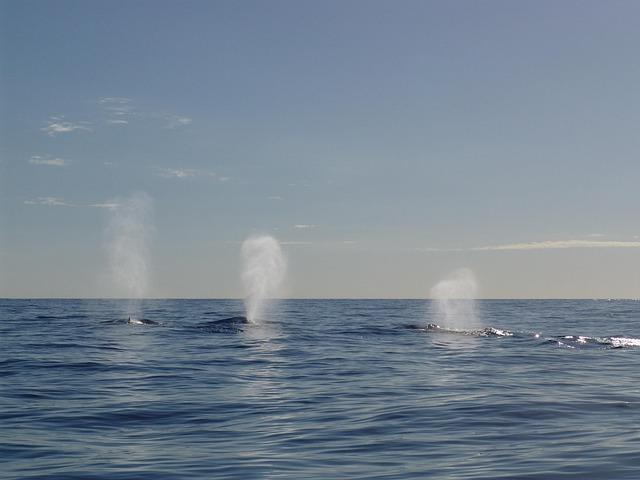
Hope is dwindling for the stranded humpback whale off the coast of northern Germany, as rescue efforts face mounting challenges. Despite the dedicated work of marine experts and volunteers, the majestic mammal shows little sign of recovery. Authorities continue to monitor the situation closely, raising concerns about the whale’s chances of survival in the coming days. This developing story highlights the complexities involved in marine wildlife rescue and the urgent need for swift action in such critical moments.
Germany Faces Grim Outlook for Stranded Humpback Whale’s Recovery
Efforts to save the stranded humpback whale along Germany’s northern coast have encountered significant setbacks, with recent assessments painting a bleak picture for the mammal’s recovery. Despite round-the-clock monitoring and interventions by marine biologists and rescue teams, the whale’s condition has deteriorated, leaving experts increasingly concerned. The animal has exhibited signs of severe dehydration, muscle exhaustion, and respiratory distress, which are compounding the challenges of providing effective treatment in the open environment.
Rescue teams have outlined several critical obstacles impeding recovery, including:
- Harsh weather conditions hampering close monitoring and direct medical aid.
- Limited access to fully supportive aquatic rehabilitation facilities.
- Stress from human interventions, which, while necessary, can exacerbate the whale’s fragile state.
The convergence of these factors has led marine experts to prepare for the possibility that survival chances are slim, shifting the focus toward minimizing suffering and preserving ecological and scientific data for future conservation efforts.
Experts Analyze Challenges in Rescuing Large Marine Mammals in Coastal Waters
Rescue teams tasked with aiding large marine mammals face a complex set of challenges that often tip the balance between life and death. The sheer size and weight of creatures like humpback whales create logistical nightmares when attempting to stabilize and relocate them in shallow coastal waters. Additionally, prolonged stress, dehydration, and underlying health issues complicate efforts, frequently diminishing the whales’ chances of survival. Experts emphasize that the success of such interventions hinges not only on rapid response but also on coordinated action involving veterinarians, marine biologists, and local authorities.
Several factors further hinder rescue operations, including:
- Unpredictable tides and currents, which can refloat or strand whales unpredictably, making timing critical.
- Limited access to specialized equipment capable of supporting massive marine mammals safely.
- Environmental concerns about moving animals through shipping lanes and protected habitats.
- The unpredictability of animal behavior during rescue attempts, which can pose risks to both humans and the animals.
As rescuers grapple with these obstacles, the stark reality remains: despite best efforts and advances in marine veterinary care, many large marine mammals do not survive such ordeals.
Calls Increase for Enhanced Marine Protection and Emergency Response Measures
The recent tragedy involving the stranded humpback whale off Germany’s northern coast has reignited urgent discussions among marine conservationists and government officials. Experts emphasize that such incidents highlight critical gaps in maritime safety protocols and the necessity for more robust, coordinated emergency response strategies. The whale’s deteriorating condition despite attempts to aid its survival underscores the limits of current rescue efforts and the pressing need for enhanced preparedness.
In response, advocates are urging authorities to implement comprehensive measures that include:
- Advanced monitoring systems to detect and track marine mammals in distress more efficiently.
- Specialized rapid-response teams trained in marine mammal rescue and rehabilitation.
- Improved inter-agency collaboration between environmental organizations, maritime services, and local governments.
- Public awareness campaigns to educate communities about the importance of protecting marine life and reporting strandings quickly.
These actions aim to not only improve the survival rate of stranded marine animals but also to foster a stronger network of protection along Germany’s coastline, reflecting a global call for more effective marine conservation policies.
To Conclude
As efforts to save the stranded humpback whale off Germany’s coast continue to face significant challenges, hope for the animal’s survival diminishes. Authorities and marine experts remain vigilant, balancing rescue attempts with the harsh realities of the situation. This unfolding story highlights both the vulnerabilities of marine wildlife and the urgency of conservation measures in increasingly stressed ocean environments. DW.com will keep following the developments closely.