
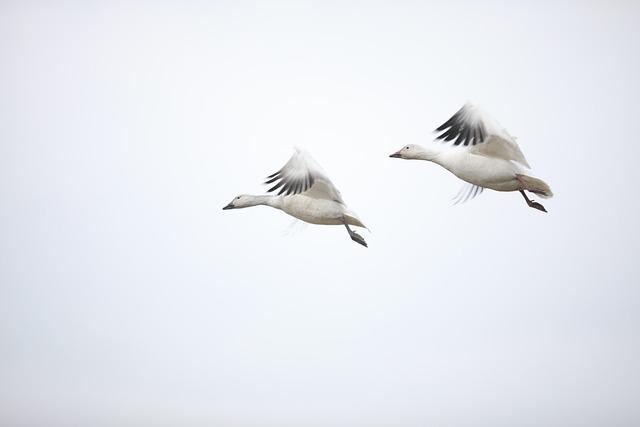
A new interactive map is helping University of Waterloo students steer clear of one of campus’ most persistent nuisances: Canada geese. The tool, developed amid growing concerns over the aggressive behavior and fouling caused by the birds, allows users to identify and avoid high-activity zones where geese frequently congregate. As spring brings increased goose presence, the map aims to improve student safety and comfort by providing real-time information on geese hotspots across campus.
Interactive Map Guides Students Away from Canada Goose Hotspots
Students at the University of Waterloo now have a smart new tool to navigate campus without the unwanted noises and surprises of Canada geese. Developed through a collaborative effort between campus environmental groups and tech-savvy volunteers, an interactive map pinpoints areas where these birds tend to gather in large numbers. This resource is designed to help students plan their routes, avoiding common “hotspots” that can disrupt outdoor activities or classroom breaks with their characteristic honking and territorial behavior.
The map features several user-friendly options, including:
- Real-time updates on geese activity based on seasonal patterns and recent sightings.
- Safe zone recommendations highlighting quieter pathways and study spots.
- Community reporting tool that allows students to add new locations or share warnings.
By empowering the campus community with this data, the initiative aims not only to reduce human-bird conflicts but also to promote coexistence with the local wildlife in a respectful and informed manner.
Understanding Canada Goose Behavior and Why Avoidance Matters
Canada geese, notorious for their loud honking and aggressive behavior during nesting seasons, have become a significant concern around university campuses in Waterloo. These birds are highly territorial, especially when protecting their young, and can perceive humans as threats. Their habit of congregating in open grassy areas, like those found near student residences and study spots, not only disrupts the peace but poses safety risks. Understanding their behavior is crucial: geese often display warning signs such as hissing and wing flapping before escalating to physical confrontations. Their droppings also create unhygienic conditions, making outdoor spaces less appealing for students.
Key behaviors to watch for include:
- Territorial aggression during nesting from April to June
- Frequent honking as a communication method to alert others
- Gathering in large groups near water sources and open lawns
- Sudden movements toward perceived intruders
These behavioral patterns underscore the importance of maintaining distance and avoiding areas heavily frequented by Canada geese. The interactive map developed for Waterloo students provides real-time information on sightings and high-activity zones, enabling users to plan routes that minimize encounters. This proactive approach not only helps reduce stress for students but also supports the humane treatment of wildlife by preventing unnecessary confrontations.
Practical Tips for Navigating Campus Safely During Goose Season
Waterloo students are encouraged to stay vigilant and plan their routes carefully to minimize encounters with Canada geese during this season. Utilizing the interactive map provided by CBC, which highlights recent goose sightings and high-traffic congregation areas, can help avoid the most crowded spots. When traversing campus, it’s advisable to stick to sidewalks and paths away from large grassy fields where geese tend to gather, especially during early morning and late afternoon hours when they are most active.
In addition to mapping tools, students should remember these practical measures for safer navigation:
- Keep a respectful distance: Avoid approaching or feeding the geese, as this can provoke aggressive behavior.
- Travel in groups: Moving with others can reduce the chance of unwanted goose encounters.
- Carry a deterrent: Simple items like umbrellas or walking sticks can help discourage geese without causing harm.
- Stay calm and move away slowly: Sudden movements may trigger honking or defensive actions.
In Conclusion
As spring migration brings Canada geese back to Waterloo, students and residents alike can now navigate campus with greater ease and fewer unwanted encounters. Thanks to the interactive map initiative highlighted by CBC, individuals are empowered to plan their routes and avoid high-traffic goose areas, reducing disturbances and enhancing safety. This practical tool reflects a community-driven approach to coexistence with local wildlife, demonstrating how technology can help address everyday challenges in urban environments.