
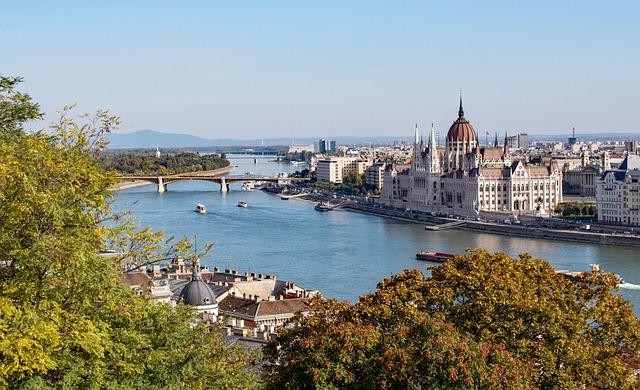
Hungary has intensified its push within the European Union to lift sanctions targeting Russian energy exports, citing the urgent need to stabilize its domestic energy supply and economy. As the bloc remains divided over the continuation of restrictive measures against Moscow, Budapest’s call underscores growing tensions among member states grappling with the fallout of the energy crisis exacerbated by the ongoing conflict in Ukraine. This development marks a significant moment in the EU’s broader debate on balancing geopolitical strategy with economic realities.
Hungary Urges EU to Lift Russian Energy Sanctions Amid Rising Supply Concerns
Hungary has intensified its call for the European Union to reconsider and ultimately lift sanctions on Russian energy exports, citing urgent supply disruptions and soaring prices that threaten the nation’s economic stability. Budapest, heavily dependent on Russian oil and gas, argues that continued restrictions could exacerbate energy shortages, especially as winter approaches. Hungarian officials emphasize that without a pragmatic approach to energy sourcing, the country risks facing severe power deficits that could impact both households and industries alike.
Key concerns raised by Hungary include:
- Increased volatility in energy markets driven by sanctions-related supply limitations
- Escalating costs burdening consumers and businesses
- Potential long-term damage to energy security without access to reliable imports
Budapest’s stance highlights the broader geopolitical tensions within the EU as member states grapple with balancing collective sanctions policies and national energy needs. Hungary’s government insists that finding alternative suppliers in the short term remains a formidable challenge, urging Brussels to prioritize practical solutions over political posturing to safeguard regional energy stability.
Economic and Strategic Implications of Prolonged Sanctions on Hungary and the EU
The continuation of sanctions targeting Russian energy exports has placed significant economic strain not only on Hungary but across the European Union. Hungary, heavily reliant on Russian gas supplies, faces rising energy costs that have fueled inflation and threatened industrial competitiveness. These economic pressures have sparked concerns about energy security and the resilience of supply chains within the bloc. Industries ranging from manufacturing to agriculture report increased operational expenses, with some small and medium-sized enterprises struggling to absorb the shock. The ripple effects extend to consumer markets, where soaring utility bills have heightened public discontent, intensifying calls for a reassessment of the sanctions regime.
Strategically, the sanctions dilemma underscores a larger rift within the EU regarding energy policy and geopolitical alignment. Hungary’s vocal opposition reveals the complexities of maintaining a unified stance when national interests diverge significantly. Key points arising from this debate include:
- Dependency Risks: The challenge of reducing reliance on Russian energy without destabilizing domestic economies.
- Policy Cohesion: The urgency for a coordinated approach balancing economic stability with political objectives.
- Long-Term Security: Transition strategies toward diversified energy sources and sustainable alternatives.
The EU’s ability to navigate these strategic intricacies will be crucial in defining its future energy framework and maintaining internal solidarity amidst external pressures.
Policy Recommendations for Balancing Energy Security and Geopolitical Stability
To effectively address the complex interplay between energy security and geopolitical stability, policymakers must prioritize diversification of energy sources alongside fostering diplomatic engagement. Reducing reliance on a single supplier, particularly in regions with volatile political climates, is essential for minimizing vulnerabilities in energy supply chains. The European Union, for instance, could invest substantially in renewable energy infrastructure, expand liquefied natural gas (LNG) terminals, and encourage cross-border interconnectivity to create a more resilient and flexible energy network.
Simultaneously, it is critical to approach sanctions with strategic nuance to avoid unintended consequences that escalate tensions and disrupt markets. Enhancing dialogue platforms between the EU and Russia could promote transparency and mutual understanding, enabling more targeted measures rather than sweeping restrictions. Policy tools should include:
- Incremental easing of sanctions linked to verifiable compliance
- Joint energy security assessments to identify shared risks
- Legal frameworks to safeguard critical infrastructure
This balanced framework aims to safeguard energy interests without compromising broader regional stability, fostering a climate conducive to both economic growth and peaceful diplomacy.
The Way Forward
As Budapest continues to push for the European Union to lift sanctions on Russian energy, the debate over balancing geopolitical strategy with member states’ economic interests intensifies. Hungary’s stance highlights the complex challenges facing the EU as it navigates its collective response to Russia amid ongoing regional tensions. The coming weeks are expected to be crucial in determining whether Hungary’s call will reshape the bloc’s unified approach to energy policy and sanctions enforcement.