
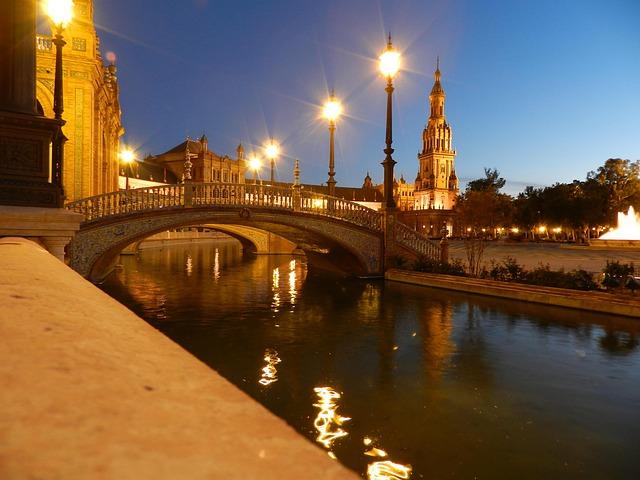
Seville, Spain – Each spring, the streets of Seville transform into a vibrant tapestry of faith, tradition, and spectacle as the city marks its renowned Holy Week celebrations. Known locally as Semana Santa, this deeply rooted event draws thousands of participants and spectators alike, blending solemn religious devotion with centuries-old customs and elaborate processions. NPR explores how Seville’s Holy Week has become both a powerful spiritual experience and a striking cultural phenomenon, reflecting the city’s unique heritage and enduring passion.
Faith and Tradition Take Center Stage in Seville’s Holy Week Processions
Every year, Seville’s streets transform into a vibrant tapestry of devotion, history, and artistry as thousands participate in its renowned Holy Week processions. The event is marked by intricate floats, or pasos, which display lifelike religious sculptures depicting scenes from the Passion of Christ. These moving altars are carried by costaleros, whose synchronized strength and endurance echo centuries-old traditions. The sound of haunting saetas sung from balconies, coupled with the rhythmic beat of drums, fills the air, creating an atmosphere charged with both solemnity and collective fervor.
Local brotherhoods, known as cofradÃas, play a pivotal role in preserving this living heritage. Members don distinctive robes and pointed hoods, some in silence and others chanting prayers, reflecting personal and communal acts of faith. Spectators line the narrow streets to witness this powerful blend of spirituality and spectacle, as thousands of candles flicker, illuminating the night and casting an almost mystical glow. This annual convergence of faith and culture reaffirms Seville’s identity, making Holy Week a profound expression of the city’s soul.
- Processions typically last from dawn until late at night, spanning several days.
- Pasos can weigh up to several tons, requiring great teamwork to carry.
- Each brotherhood has its own history, colors, and unique traditions.
- Faith-driven music performances, including the emotionally charged saetas, punctuate the atmosphere.
The Artistry Behind the Iconic Paso Floats and Traditional Costumes
Each paso float is a masterpiece of craftsmanship, weaving together centuries-old techniques with profound religious symbolism. Artisans labor for months to adorn these floats with intricate carvings, gilt details, and lush velvet draperies, creating an atmosphere of reverence and awe. The statues of Christ, the Virgin Mary, and various saints are meticulously painted and dressed, each element chosen to evoke deep emotional responses from the faithful and onlookers alike.
Complementing these elaborate floats are the traditional costumes, which are as much a part of the spectacle as the religious imagery they accompany. Participants are cloaked in robes of rich fabrics and vibrant hues, often marked by the distinctive pointed hoods known as capirotes. These garments serve not only as symbols of penitence and anonymity but also connect to a larger narrative of communal identity and devotion. Together, the floats and costumes transform the streets of Seville into a living tapestry of history, faith, and artistry.
- Handcrafted steps: Wood carving and gilding techniques preserved through generations.
- Artistic painting: Realistic rendering of religious figures to convey expressions of sorrow and hope.
- Fabric and embroidery: Use of velvet, silk, and gold thread to signify sacredness.
- Symbolic colors: Deep purples, reds, and blacks to represent mourning and penitence.
Tips for Experiencing Seville’s Holy Week Like a Local
To truly immerse yourself in Seville’s Semana Santa, timing and attire play crucial roles. Arrive early to secure a spot along the procession routes, particularly near landmarks like the Giralda or Plaza de la Virgen de los Reyes, where the atmosphere swells with anticipation. Wear comfortable shoes-you’ll be on your feet for hours amid winding streets teeming with locals draped in traditional robes and pointed hoods. It’s also customary to maintain a respectful silence during key moments, punctuated only by the haunting melodies of the saetas, heartfelt flamenco laments that echo through the narrow alleys.
Beyond the processions, engage with the community by sampling authentic Andalusian flavors that locals favor during Holy Week. Indulge in torrijas (a Spanish take on French toast), and sip on manzanilla sherry at small taverns tucked away from the tourist trail. Consider these insider tips:
- Visit less crowded brotherhoods’ processions for a more intimate experience.
- Attend early morning masses to witness the solemn spirituality behind the spectacle.
- Observe the ritualistic preparations that start days ahead, offering a glimpse into deep-rooted traditions.
Final Thoughts
As Seville’s Holy Week draws to a close, the city’s streets gradually return to their everyday rhythm, leaving behind a vivid tapestry of faith, tradition, and spectacle that captures the hearts of locals and visitors alike. This annual event remains a powerful testament to Seville’s cultural identity, where centuries-old rituals continue to foster community spirit and spiritual reflection. For those who witness it firsthand, Holy Week in Seville is more than a religious observance-it is an immersive experience that bridges past and present, illustrating the enduring power of tradition in a rapidly changing world.