
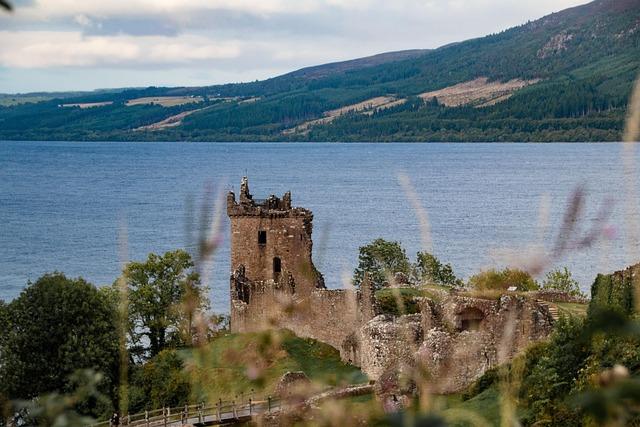
Spain is stepping up efforts to preserve its rich cultural and natural heritage through a series of newly announced grants aimed at the conservation and promotion of its UNESCO World Heritage Sites. These funding opportunities, highlighted by the platform fundsforNGOs, provide critical financial support to local organizations, government bodies, and community groups dedicated to safeguarding Spain’s historic landmarks and natural wonders. As tourism and environmental challenges continue to impact these irreplaceable sites, the grants seek to bolster preservation initiatives while fostering sustainable development and cultural awareness across the country.
Grants Driving Conservation Efforts at Spain’s World Heritage Sites
In a bold move to safeguard Spain’s rich cultural and natural heritage, various grants have recently been allocated to enhance conservation initiatives across the nation’s World Heritage Sites. These funds are empowering local authorities and conservation groups to implement advanced preservation technologies, restore deteriorating landmarks, and support biodiversity efforts integral to these protected zones. Among the priorities are maintaining the structural integrity of historic buildings, promoting sustainable tourism, and fostering community engagement to ensure these treasures remain vibrant for future generations.
Key projects benefiting from the grants include:
- Restoration of ancient frescoes and architectural details in sites such as the Alhambra and the Monastery of San Lorenzo de El Escorial.
- Implementation of eco-friendly visitor management systems that balance tourist access with conservation needs.
- Educational outreach programs aimed at increasing public awareness about the importance of preserving cultural heritage.
- Scientific research initiatives to monitor and combat environmental threats like erosion and climate change impacts.
These grant-driven conservation efforts underscore Spain’s commitment to protecting its world-renowned heritage while fostering economic revitalization through sustainable tourism and community involvement.
Exclusive Insights into Funding Criteria and Application Success Rates
Organizations seeking grants for conservation projects in Spain’s World Heritage Sites must navigate a rigorous assessment process designed to prioritize sustainability, community involvement, and cultural preservation. Funding bodies typically emphasize proposals that demonstrate a clear alignment with UNESCO guidelines, showcase measurable impact, and incorporate innovative approaches to heritage management. Applicants are also expected to provide comprehensive risk assessments and detailed budget plans, underscoring transparency and feasibility. Projects focusing on endangered sites or involving local populations in stewardship activities often receive favorable consideration.
Success rates fluctuate depending on several factors, including the volume of applications received and the strategic priorities of funding institutions in any given cycle. However, statistics show that programs offering tailored support, such as capacity-building workshops and frequent feedback loops, tend to see higher approval ratios. Key determinants of successful applications include:
- Clear demonstration of potential long-term benefits to both heritage and community.
- Robust partnerships with local authorities and stakeholders.
- Innovative use of technology for site preservation and visitor engagement.
- Strong financial accountability and sustainability plans.
Strategic Recommendations for NGOs Seeking Support in Heritage Preservation
NGOs aiming to secure funding for heritage preservation in Spain must prioritize building strong local partnerships to amplify their impact. Collaborating with regional authorities, academic institutions, and community groups can significantly enhance project credibility and demonstrate a comprehensive approach to conservation. It’s also essential for organizations to clearly align their proposals with the specific criteria outlined by grant providers, highlighting how their initiatives contribute to the sustainable promotion and protection of designated World Heritage Sites. Transparency in budgeting and showcasing a proven track record of successful project management will further strengthen applications in a competitive funding environment.
To maximize chances of success, NGOs are encouraged to embrace innovative strategies that integrate cultural heritage with broader social and economic benefits. Consider initiatives that:
- Engage local populations through educational programs and volunteer opportunities
- Incorporate digital technology for documentation and virtual accessibility
- Promote eco-friendly tourism models aligned with conservation goals
Presenting projects that not only preserve but also dynamically promote heritage sites can appeal to a wider range of funders focused on sustainable development. Emphasizing measurable outcomes and the long-term preservation impact will position NGOs as indispensable partners in safeguarding Spain’s cultural legacy.
In Summary
In an era where cultural preservation faces unprecedented challenges, the availability of grants for the conservation and promotion of World Heritage Sites in Spain offers a vital lifeline. These funds not only support the safeguarding of Spain’s rich and diverse heritage but also foster sustainable tourism and community engagement. For NGOs and stakeholders dedicated to protecting these irreplaceable treasures, understanding and accessing these grants is crucial. As Spain continues to celebrate and preserve its World Heritage Sites, such financial support will remain a cornerstone in ensuring these symbols of human history endure for generations to come.