
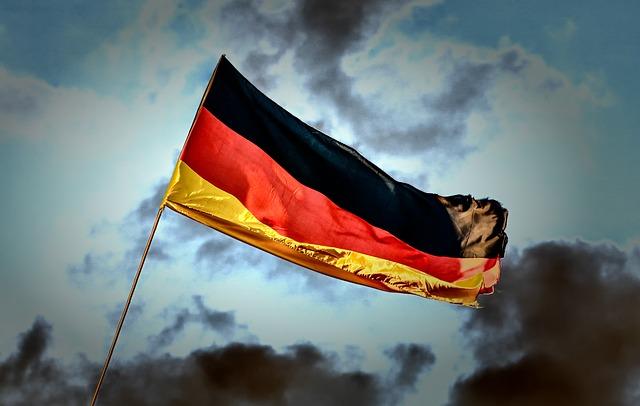
Germany’s industrial sector showed signs of steady recovery as new orders increased by 0.9 percent in February, according to the latest data released by the Federal Statistical Office. The rise, reported by Reuters, reflects ongoing demand for German manufactured goods amid a cautiously optimistic economic outlook. Analysts view this uptick as a positive indicator for Europe’s largest economy, which has faced challenges from global supply chain disruptions and weakening external demand in recent months.
German Industrial Orders Show Moderate Growth Amid Economic Uncertainty
February brought a modest uplift to Germany’s industrial sector, with factory orders climbing by 0.9% compared to the previous month. This slight increase arrives amid ongoing concerns over global economic stability, supply chain disruptions, and fluctuating demand in key export markets. Analysts note that while the growth is not groundbreaking, it signals resilience within one of Europe’s economic powerhouses, suggesting that businesses are cautiously optimistic despite a challenging backdrop.
Key factors influencing the growth include:
- Revived domestic demand driven by investment in machinery and equipment
- Improved order intake from the automotive sector, a traditional industrial driver
- Steady contributions from the chemical and electronics industries
However, risks such as geopolitical tensions and inflationary pressures continue to loom, indicating that the path ahead for German industry remains uncertain. Market watchers suggest that sustaining this moderate growth will depend heavily on how external conditions evolve in the coming months.
Key Sectors Driving February Increase and Their Implications for the Economy
Manufacturing and automotive sectors emerged as primary contributors to the 0.9% increase in German industrial orders for February. The manufacturing segment saw a notable surge driven by robust demand for machinery and electrical equipment, signaling strong investment activity. Meanwhile, automotive orders rebounded, reflecting a recovery in global supply chains and growing export demand. These sectors together accounted for the lion’s share of new contracts, underscoring their vital role in Germany’s industrial backbone.
The upward trend holds significant implications for the broader economy. Increased industrial orders often foreshadow higher production rates, which could translate into stronger GDP growth in the upcoming quarters. Experts suggest that sustained momentum in these sectors may boost employment and stimulate related industries, from raw materials to logistics. However, uncertainties such as energy prices and geopolitical tensions remain factors to watch, potentially impacting future order flows and industrial confidence.
Experts Recommend Strategic Investments to Sustain Momentum and Boost Export Potential
As German industrial orders posted a 0.9% increase in February, industry experts emphasize the critical need for strategic investments to maintain this upward trajectory. Key sectors are being urged to focus on advancing technological capabilities, with particular attention to digitalization and automation. Analysts highlight that sustained growth will depend heavily on enhancing supply chain resilience and accelerating innovation within manufacturing processes to remain competitive globally.
To further capitalize on this positive momentum, specialists recommend prioritizing:
- Expanding export infrastructure to access emerging markets more effectively.
- Strengthening public-private partnerships to foster innovation and financial support.
- Investing in workforce development to equip employees with advanced technical skills.
- Implementing sustainable production methods to meet evolving international standards.
These targeted actions are considered essential to boost export potential and secure Germany’s position as a global industrial leader in the months ahead.
The Conclusion
The modest increase in German industrial orders in February highlights a cautious yet steady recovery amid ongoing global economic uncertainties. Market analysts will continue to monitor upcoming data releases to assess whether this upward trend can sustain momentum in the months ahead. As Europe’s largest economy navigates complex challenges, these figures offer a timely snapshot of industrial resilience and potential growth trajectories.