
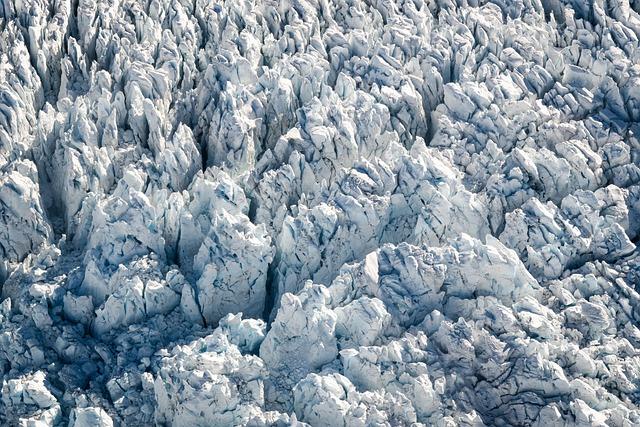
Buenos Aires – Argentina’s government has approved a controversial bill proposed by Economy Minister Javier Milei that relaxes legal protections for glaciers, sparking immediate backlash from environmental groups and scientists. The legislation, passed despite widespread protests, aims to boost mining and development projects in glacier-rich regions but critics warn it threatens vital water sources and fragile ecosystems. The move marks a significant shift in Argentina’s environmental policy amid ongoing tensions between economic growth priorities and conservation efforts.
Argentina Passes Controversial Glacier Protection Bill Amidst Strong Environmental Opposition
The Argentine Congress has enacted a contentious bill introduced by Economy Minister Javier Milei that significantly relaxes existing environmental regulations safeguarding glaciers. Advocates of the legislation argue that the reform is necessary to stimulate economic development and expand mining activities in the resource-rich Andean regions. The bill modifies previous protections, allowing for increased industrial exploitation in areas previously deemed strictly off-limits due to the ecological significance of glaciers as vital water sources for millions.
Environmental groups and scientists have voiced sharp criticism, warning of irreversible damage to fragile ecosystems and potential risks to water security. Opponents highlight that:
- Glaciers serve as crucial freshwater reservoirs supporting agriculture and human consumption.
- Mining operations could accelerate glacier degradation, increasing pollution and ecological disruption.
- The bill sets a concerning precedent for prioritizing short-term economic gains over long-term sustainability.
Despite mass protests and urgent appeals from conservationists, the legislation’s approval marks a pivotal shift in Argentina’s environmental policy, raising questions about the balance between development and natural resource preservation.
Implications for Ecosystems and Local Communities Highlighted by Scientists and Activists
Scientists warn that loosening protections on glaciers could trigger a cascade of ecological disruptions in the fragile Andean ecosystems. Glaciers act as natural water reservoirs, feeding rivers that sustain diverse flora and fauna during dry seasons. Their accelerated degradation threatens biodiversity hotspots and risks the loss of endemic species uniquely adapted to these cold environments. Researchers emphasize that disturbing this balance may lead to increased soil erosion, altered microclimates, and reduced natural filtration of water sources, ultimately affecting the entire watershed’s health.
Local communities, particularly indigenous groups and rural populations, face uncertain futures as their livelihoods have long depended on glacier-fed water supplies for agriculture and daily needs. Activists underscore a growing sense of vulnerability among these populations, highlighting concerns such as:
- Reduced access to clean water impacting crop yields and food security
- Heightened risk of glacial lake outburst floods threatening settlements and infrastructure
- Loss of cultural heritage tied to ancestral lands and natural landscapes
Many argue that the bill’s passage not only undermines environmental protections but also neglects the social responsibility to safeguard the rights and well-being of those most affected.
Calls for Stricter Oversight and Sustainable Development Policies Intensify Following Legislation Approval
In the wake of the contentious approval of a bill that reduces protections for glaciers, environmental groups and policy makers are rallying for more rigorous oversight and comprehensive sustainability measures. Critics warn that the legislation could accelerate the degradation of fragile ecosystems, threatening biodiversity and water sources critical to millions. Calls are mounting for the government to implement strict environmental impact assessments and enforceable safeguards to balance economic development with ecological preservation.
Key demands from environmental advocates include:
- Enhanced transparency in mining and industrial activities near glacial zones.
- Establishment of independent monitoring bodies to oversee compliance with environmental standards.
- Inclusion of indigenous communities and scientific experts in decision-making processes.
- Commitment to sustainable development policies that prioritize long-term ecological health over short-term economic gains.
The Way Forward
As the newly approved legislation takes effect, Argentina faces mounting scrutiny from environmental groups and international observers concerned about the long-term impact on its vital glacier ecosystems. While supporters argue the bill will spur economic development, critics warn that easing protections could accelerate environmental degradation in a region crucial to the country’s water supply and climate stability. The coming months will reveal how this controversial policy shapes Argentina’s balance between growth and conservation.