
As geopolitical tensions escalate in the Middle East, concerns over a potential oil supply disruption have sent ripples through global markets. However, China’s aggressive push toward green energy may provide a crucial buffer against the fallout of any Iran war-related oil shock. The South China Morning Post explores how Beijing’s long-term investments in renewable energy and electric vehicle infrastructure could insulate the country from the instability threatening global oil supplies, underscoring a strategic advantage amid growing energy uncertainties.
China’s expanding green energy infrastructure reduces dependence on Middle East oil
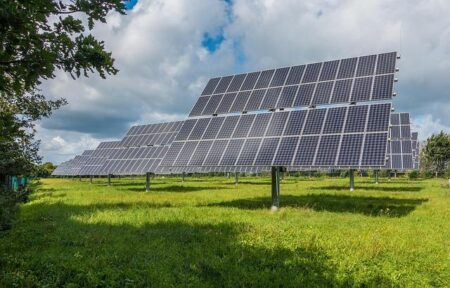
China’s rapid expansion of its green energy infrastructure is transforming the nation’s energy landscape, significantly curbing its reliance on oil imports from the volatile Middle East region. By aggressively investing in solar farms, wind turbines, and hydroelectric power plants, China is diversifying its energy portfolio with an emphasis on renewables. This strategic shift not only strengthens energy security but also aligns with Beijing’s ambitious carbon neutrality goals set for 2060. The sprawling network of green energy projects, supported by robust government policies and technological innovations, enables China to mitigate the economic fallout that could arise from geopolitical tensions such as the ongoing Iran conflict.
Key components of China’s green energy push include:
- Massive scaling of solar photovoltaic capacity, making China the global leader in solar energy production.
- Expansive wind energy installations across coastal and inland regions, tapping into abundant natural resources.
- Investment in next-generation battery storage to stabilize renewable energy supply and manage peak demands.
- Increased electrification of transportation and industrial sectors to decrease fossil fuel consumption.
These initiatives collectively act as a buffer, allowing China to absorb shocks in oil supply without derailing its economic momentum. As tensions in the Middle East escalate, China’s green energy infrastructure emerges as a vital element in maintaining stable growth and reducing vulnerability to international oil market fluctuations.
Strategic investments in renewables bolster economic resilience amid global energy shocks
China’s accelerated commitment to renewable energy technologies is emerging as a critical buffer against the volatility triggered by the recent Iran conflict. With global oil markets destabilized, Beijing’s expansive investments in solar, wind, and hydroelectric power projects have not only diversified its energy portfolio but have also curtailed its dependence on unstable foreign oil supplies. This strategic pivot enables China to maintain industrial productivity and energy security despite surging fuel prices and interrupted supply chains.
Key elements underpinning this resilience include:
- Massive scale-up of renewable capacity: China leads the world in installed renewable power infrastructure, enabling sustained energy output even amidst supply disruptions.
- Technological innovation: Advanced energy storage and smart grid deployment enhance the stability and flexibility of power distribution.
- Government policies and incentives: Vigorous state support through subsidies, green financing, and regulatory reforms accelerates the transition to clean energy.
- Domestic resource utilization: Harnessing abundant natural resources reduces reliance on foreign energy imports, protecting the economy from geopolitical shocks.
Experts urge accelerated clean energy adoption to safeguard China’s future energy security
Amid escalating global tensions and the growing instability of Middle Eastern oil supplies, energy experts emphasize the critical need for China to expedite its transition to clean energy sources. By investing heavily in renewables such as solar, wind, and hydroelectric power, China is not only addressing environmental concerns but also strategically positioning itself to reduce dependence on volatile foreign oil markets. This shift is seen as a crucial buffer against potential disruptions caused by conflicts like the Iran war, which could send shockwaves through global energy prices and supply chains.
Key recommendations from analysts include:
- Accelerating the deployment of renewable infrastructure nationwide.
- Expanding energy storage capabilities to manage intermittent supply.
- Enhancing grid modernization to better integrate variable power sources.
- Promoting electric vehicle adoption to decrease fossil fuel consumption.
- Fostering international cooperation on clean energy technologies.
By adopting these strategies, China aims to not only safeguard its energy security but also assert itself as a global leader in the green energy revolution. Experts warn that delays in this transition could leave the nation vulnerable to external shocks, emphasizing that the urgency for action has never been greater.
To Conclude
As global energy markets grapple with the fallout from escalating tensions in the Middle East, China’s steadfast commitment to green energy appears increasingly strategic. By accelerating its investment in renewable technologies and reducing reliance on volatile oil imports, Beijing is positioning itself to weather external shocks that have historically disrupted energy supplies. While uncertainties remain, China’s green energy push not only aligns with its environmental goals but also offers a measure of economic resilience amid a shifting geopolitical landscape. How other nations respond could shape the future dynamics of global energy security.