
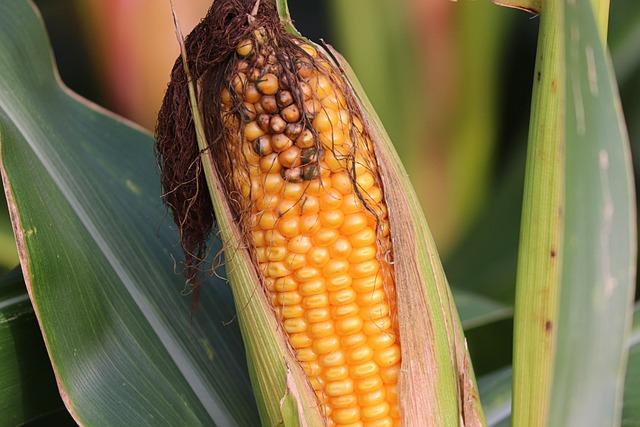
Brazil has officially inaugurated a new corn feed trade route with China, marking a significant development in agricultural exports between the two countries. This strategic partnership aims to enhance supply chain efficiency and meet the growing demand for feed ingredients in China’s livestock sector. The new corridor is expected to bolster Brazil’s position as a leading global supplier while strengthening economic ties amid rising trade opportunities.
Brazil Expands Agricultural Exports with New Corn Feed Trade Route to China
In a significant development for Brazil’s agricultural sector, a new trade route has been inaugurated to facilitate the export of corn feed to China, one of the world’s largest consumers of agricultural commodities. This strategic move is expected to bolster Brazil’s position as a key supplier in the global feed market, enhancing the efficiency and volume of shipments. The route not only shortens delivery times but also reduces logistical costs, making Brazilian corn feed more competitive on the international stage.
Key advantages of the new trade corridor include:
- Improved access to the growing Chinese feed industry, driven by increasing demand for livestock and aquaculture products.
- Enhanced collaboration between Brazilian exporters and Chinese importers through streamlined customs and regulatory processes.
- Potential growth in Brazil’s agricultural export revenues, supporting rural economies and stimulating further investments in crop production.
Implications for Global Feed Markets and Supply Chain Dynamics
The inauguration of a dedicated corn feed trade route between Brazil and China marks a transformative shift in global feed markets, potentially recalibrating supply and demand dynamics on an unprecedented scale. As Brazil leverages its vast agricultural capacity to meet China’s burgeoning feed demand, the move is set to intensify competition among exporters, particularly those in the U.S. and Argentina. This realignment could drive changes in pricing structures, with market analysts citing the potential for more stable, yet regionally variable, corn prices influenced by the increased logistical efficiency and reduced transit times offered by the new route.
Key implications:
- Enhanced supply chain resilience through diversified sourcing pathways.
- Potential reduction in transportation costs, benefiting feed manufacturers and end consumers.
- Shifts in export volumes that may pressure existing trade agreements and tariffs.
- Greater integration of Brazilian agricultural producers into the global feed supply ecosystem.
Moreover, this development underscores the strategic importance of infrastructure investment in reshaping agricultural trade flows. The new corridor not only promises expedited delivery but also highlights the growing collaboration between South American producers and East Asian importers, which could pave the way for expanded commodity portfolios. Supply chain players will need to adapt swiftly to these changes, focusing on optimizing storage, distribution, and risk management to capitalize on emerging market opportunities fueled by evolving geopolitical and economic landscapes.
Strategies for Brazilian Producers to Maximize Opportunities in the Chinese Feed Sector
To fully leverage the emerging corn trade route with China, Brazilian producers must prioritize building robust relationships with Chinese importers and feed manufacturers. Establishing trust through consistent quality and timely deliveries can secure long-term contracts and provide a competitive edge. Additionally, understanding and complying with China’s evolving regulatory landscape-including phytosanitary requirements and import tariffs-is critical to avoid logistical bottlenecks. Investing in certifications and transparent supply chain practices will also enhance credibility in the eyes of Chinese buyers.
Furthermore, diversifying product offerings can help Brazilian exporters tap into a broader segment of the feed market. Beyond traditional corn, integrating value-added products such as corn gluten meal or specialized feed corn varieties tailored to Chinese livestock demands will differentiate suppliers. To stay ahead, producers should monitor market trends actively and partner with local agents or distributors familiar with regional nuances. Key focus areas include:
- Adapting to local preferences by customizing product specifications and packaging.
- Optimizing logistics to reduce freight costs and delivery times.
- Utilizing digital platforms for streamlined communication and real-time market intelligence.
- Engaging in joint ventures to foster knowledge exchange and market penetration.
Wrapping Up
As Brazil and China embark on this new corn feed trade route, both nations stand to benefit from strengthened economic ties and enhanced agricultural collaboration. This development highlights Brazil’s growing role as a key supplier in the global feed market and underscores China’s ongoing efforts to diversify its feed import sources. Moving forward, stakeholders will be watching closely to see how this partnership influences trade dynamics and the broader agricultural landscape.