
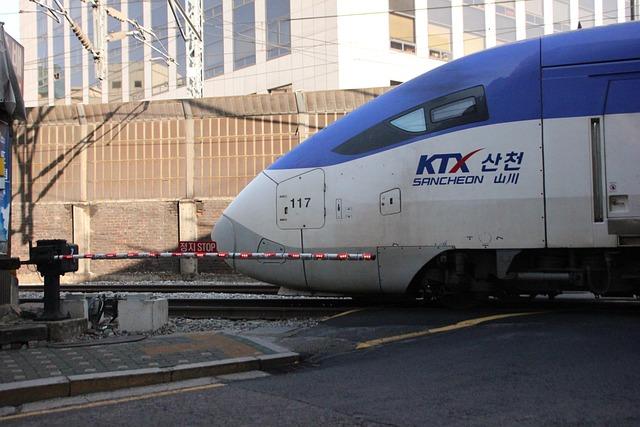
High-speed rail patronage in Spain has plummeted by 32% following the tragic crash near Adamuz, dealing a significant blow to the country’s corporate travel sector. The sharp decline comes amid growing safety concerns and heightened scrutiny of rail operations, placing additional strain on business travel budgets across the nation. VisaHQ reports that companies reliant on high-speed rail are now exploring alternative transportation options as they navigate an evolving landscape shaped by the aftermath of the accident.
High Speed Rail Ridership Declines Significantly Following Adamuz Incident
The aftermath of the Adamuz rail incident has sent shockwaves through Spain’s high-speed rail network, with ridership plunging by an alarming 32%. This sharp decline marks one of the most significant drops in the sector’s recent history, rattling confidence among daily commuters and corporate travelers alike. Industry experts point to widespread safety concerns and increased media scrutiny as key factors dissuading passengers from booking their usual routes, particularly affecting business travel schedules entrenched in rapid, reliable transit.
Corporate travel budgets across Spain are now under pressure as companies reevaluate their reliance on high-speed rail services amid uncertain timelines for recovery. Key impacts include:
- Reduced employee mobility: Delay in project timelines due to fewer available high-speed connections.
- Increased travel costs: Shift towards more expensive or less efficient alternative transport methods.
- Strategic re-assessment: Businesses are reconsidering remote work policies and regional office visits to mitigate travel risks.
Transportation authorities are working to restore public confidence through enhanced safety measures; however, the near-term outlook remains cautious as the sector grapples with the financial and reputational fallout from the tragedy.
Impact on Spain’s Corporate Travel Spending and Budget Adjustments
The sharp 32% decline in high-speed rail patronage following the Adamuz crash has sent ripples through Spain’s corporate travel landscape. Businesses that once relied heavily on the efficiency and convenience of rail travel are now facing critical challenges in managing their travel expenses. The incident has forced many corporations to reassess their travel policies, often opting for costlier alternatives such as air travel or car rentals, which traditionally command higher rates and logistical complexities. This shift is intensifying pressure on travel budgets already tightened by economic uncertainties, prompting CFOs and procurement teams to scrutinize every line item more rigorously than ever before.
In response, companies are implementing a range of budget adjustment strategies to mitigate rising costs:
- Reducing the frequency of business trips by encouraging virtual meetings and telecommuting options.
- Negotiating bulk purchase agreements with alternate transportation providers to secure more favorable rates.
- Implementing stricter travel approvals to ensure only essential trips are authorized.
- Increasing utilization of travel management platforms to gain better visibility and control over expenditures.
These measures highlight a pivotal shift in corporate travel strategies, with companies seeking to balance operational needs against the backdrop of evolving travel risks and expenses.
Strategies for Businesses to Mitigate Disruptions in Employee Commuting Options
In light of the recent downturn in high-speed rail usage following the Adamuz crash, businesses are urgently reassessing their employee commuting strategies to ensure continuity and reduce operational disruptions. Companies are now prioritizing flexible work arrangements, such as remote work and staggered shifts, to minimize dependency on public transportation. Additionally, encouraging carpooling and investing in shuttle services has become a practical alternative, helping to maintain employee punctuality while alleviating strain on strained transit systems.
Other proactive measures include:
- Partnering with local ride-sharing providers to offer discounted or subsidized fares for employees
- Promoting the use of alternative transport modes like cycling by improving on-site facilities
- Utilizing real-time travel data analytics to anticipate and respond to commuting disruptions
- Implementing comprehensive communication plans to keep employees informed about transit updates and company policies
By adopting a multifaceted approach to employee commuting, businesses can not only mitigate the immediate impacts of transportation disruptions but also build resilience against future incidents, ensuring smoother operations and sustained workforce productivity.
In Retrospect
The significant 32% decline in high-speed rail patronage following the Adamuz crash underscores the profound impact safety concerns have on public transportation usage in Spain. As corporate travel budgets tighten in response to shifting traveler preferences, industry stakeholders face mounting pressure to restore confidence and reevaluate infrastructure and safety measures. The coming months will be crucial for Spain’s high-speed rail sector as it navigates the challenges posed by this abrupt drop in demand.