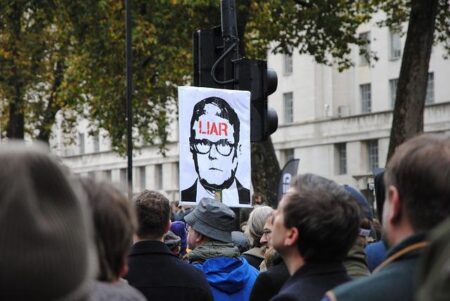
Israel has formally expressed its disapproval following the public burning of an effigy of Prime Minister Benjamin Netanyahu in a Spanish town. The incident, which took place amid heightened political tensions, prompted a diplomatic reprimand from Israeli authorities, underscoring the sensitivity surrounding the portrayal of the country’s leader abroad. This development highlights ongoing challenges in Israel-Spain relations and raises questions about freedom of expression and the boundaries of political protest in Europe.
Israel Condemns Spanish Authorities Following Burning in Effigy of Prime Minister Netanyahu
Israel has sharply criticized local authorities in a Spanish town after reports emerged of a public burning in effigy of Prime Minister Benjamin Netanyahu during a political demonstration. The Israeli government described the act as deeply offensive and unacceptable, emphasizing that such displays of hostility not only damage bilateral relations but also undermine mutual respect between the two nations. Officials called on Spanish leaders to condemn the incident unequivocally and to take appropriate measures to prevent similar occurrences in the future.
In response, Israeli representatives highlighted several key concerns:
- Deterioration of diplomatic ties: Public acts targeting political figures jeopardize long-standing friendships and cooperation.
- Promotion of incitement: Such demonstrations may encourage increased hostility and social division.
- Call for accountability: Demands for prompt investigation and public response from Spanish authorities to reaffirm respect and safeguard democratic values.
Israel reaffirmed its commitment to dialogue and partnership, urging respect for all leaders regardless of political differences.
Diplomatic Tensions Escalate Amid Rising Concerns Over Anti-Israel Sentiments in Spain
The recent incident in a Spanish town, where an effigy of Israeli Prime Minister Benjamin Netanyahu was publicly burned, has ignited a wave of condemnation from Israeli officials. This act, seen by many as a provocative display of hostility, has intensified diplomatic strains between Israel and Spain. Israeli authorities have urged the Spanish government to take stronger measures against such inflammatory displays, emphasizing the need for mutual respect and understanding to maintain healthy bilateral relations. Officials in Jerusalem labeled the event as not only disrespectful but also dangerously escalating anti-Israel sentiments that could fuel further division within the region.
In response, Spanish authorities have faced mounting pressure to address the incident and reaffirm their stance against hate-driven actions. Critics argue that the effigy burning reflects broader social tensions and an increase in anti-Israel rhetoric within segments of the public and certain political groups. Key concerns raised include:
- The potential impact on diplomatic dialogue between Israel and Spain amid growing public protests.
- Calls for legislative action to curb hate crimes and politically motivated violence.
- The need for community engagement to foster understanding and counteract divisive narratives.
As both nations navigate this diplomatic challenge, the incident serves as a stark reminder of the complexities involved in international relations where political symbolism and public sentiment intersect.
Calls for Stronger Measures to Prevent Hate Demonstrations Targeting Foreign Leaders
The recent incident in a Spanish town, where an effigy of Israeli Prime Minister Benjamin Netanyahu was publicly burned, has sparked widespread condemnation and renewed demands for more rigorous actions against hate demonstrations targeting foreign dignitaries. Israeli officials have expressed deep concern over the event, deeming it an unacceptable provocation that damages bilateral relations and fuels animosity. The act has been characterized not only as disrespectful but also as a threat to diplomatic decorum, raising alarm about the potential escalation of hostility against international leaders abroad.
In response, advocacy groups and diplomatic representatives are urging authorities in Spain and across Europe to implement stronger safeguards, including:
- Stricter regulation of public protests that specifically target foreign officials
- Enhanced monitoring of hate-driven demonstrations
- Clearer legal repercussions for symbolic acts deemed inflammatory or inciting violence
- Proactive engagement between local governments and diplomatic missions to prevent recurrence
These measures aim to uphold respect for international leaders while fostering an environment of peaceful political expression free from hate and intimidation.
The Way Forward
The incident in the Spanish town, which saw an effigy of Prime Minister Benjamin Netanyahu burned in public, has sparked diplomatic tension between Israel and Spain. Israeli officials have condemned the act as unacceptable and disrespectful, calling on Spanish authorities to take measures to prevent similar occurrences in the future. The episode underscores the sensitivity surrounding political expressions abroad and highlights the ongoing challenges in maintaining bilateral relations amid divergent views. Both nations are expected to engage in further dialogue to address these concerns and uphold mutual respect.