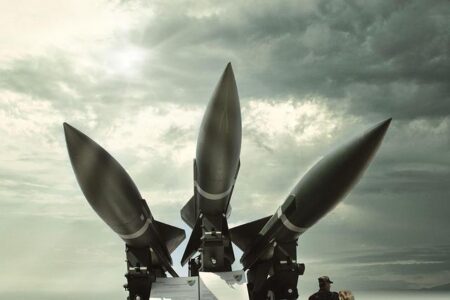

Italy has announced it will not renew its defence agreement with Israel, Prime Minister Giorgia Meloni confirmed, marking a significant shift in the Mediterranean country’s foreign policy. The decision ends a deal that has facilitated military cooperation between the two nations, reflecting Italy’s changing strategic priorities amid evolving regional dynamics. This move comes as Italy seeks to recalibrate its international alliances and signals potential implications for defence collaboration in Europe and the Middle East.
Italy Signals Shift in Middle East Policy with Decision on Defence Agreement
Italy’s decision to not renew its defence agreement with Israel marks a significant recalibration of its stance in the Middle East, reflecting a broader shift in diplomatic priorities under Prime Minister Giorgia Meloni’s leadership. The move signals Rome’s intention to diversify its strategic partnerships within the region, emphasizing a more balanced approach that aligns with its evolving geopolitical interests and security concerns. This development has raised eyebrows among Western allies, as it introduces new dynamics into a region already fraught with complex alliances and rivalries.
Key aspects of the decision include:
- Suspension of joint military exercises and defence technology exchanges previously agreed upon with Israel.
- Enhancement of dialogue with other Middle Eastern nations to foster broader security cooperation.
- A potential reassessment of Italy’s arms trade policies and export controls involving the region.
Observers suggest that this pivot could influence Italy’s role in future regional conflict resolutions and energy diplomacy, as the Mediterranean becomes an increasingly contested sphere of influence for global powers.
Implications for Israel and Regional Security Dynamics Explored
The decision by Italy to not renew its defence agreement with Israel marks a significant shift in the strategic calculus of the Mediterranean region. This move may signal Italy’s intent to recalibrate its foreign policy priorities amid evolving geopolitical tensions. For Israel, this could translate into a reduction of crucial military cooperation and intelligence sharing with a key European partner, posing challenges to its broader regional security posture. The decision arrives at a time when Israel is navigating complex relations with its neighbors, and any diminishment of alliance networks could potentially embolden adversarial states or non-state actors.
Regional security dynamics are likely to see ripple effects as Italy’s withdrawal may encourage other European nations to reassess their defence ties with Israel under the pressures of shifting alliances and domestic political considerations. Key implications include:
- Potential weakening of coordinated military efforts between Israel and NATO-affiliated countries, affecting joint operational readiness.
- New diplomatic openings for Middle Eastern countries seeking to influence European stances on regional conflicts and alliances.
- Altered defense procurement and technology exchange channels, which could impact Israel’s military innovation and modernization plans.
As Italy adjusts its strategic partnerships, the broader Mediterranean security framework may witness increased volatility, compelling Israel to explore alternative alliances and diplomatic strategies to maintain its strategic edge.
Experts Recommend Strategic Dialogue to Mitigate Impact on Bilateral Relations
Amid the unexpected announcement from Prime Minister Giorgia Meloni regarding Italy’s decision not to renew its defence agreement with Israel, experts emphasize the urgent need for open channels of communication between the two nations. Analysts argue that without strategic dialogue, the move could unintentionally strain a relationship historically rooted in cooperation on security and intelligence matters. They urge policymakers to engage in comprehensive discussions that address underlying concerns while preserving the mutual benefits of collaboration.
Key recommendations from experts include:
- Initiating bilateral talks focused on transparency and future defence priorities.
- Establishing joint working groups to explore alternative forms of cooperation.
- Implementing confidence-building measures to prevent escalation and misunderstandings.
- Maintaining diplomatic engagement across multiple levels to ensure continuity in broader bilateral relations.
The Way Forward
As Italy moves to let the defence agreement with Israel expire, the decision marks a significant shift in bilateral military cooperation between the two nations. Prime Minister Giorgia Meloni’s announcement underscores evolving priorities in Italy’s foreign policy amid a complex regional landscape. Observers will be watching closely to see how this development influences diplomatic and security dynamics in the Mediterranean and beyond. Further updates are expected as both countries adjust to the new framework of their relationship.