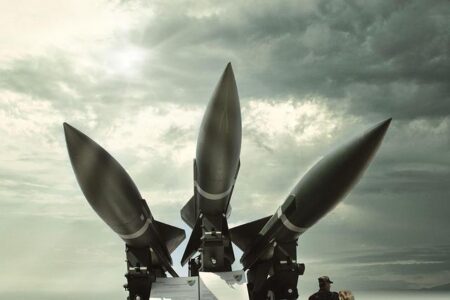

As tensions between the United States and China continue to shape global geopolitics, analysts and policymakers alike are turning their attention to the next arena of strategic competition. In its latest analysis, Semafor examines the emerging front lines in the US-China rivalry, exploring how economic, technological, and military factors are setting the stage for what could become the defining contest of the decade. This article delves into the complexities and implications of this evolving relationship, offering insight into the challenges and stakes that lie ahead for both powers.
The Emerging Frontiers of US China Competition
The latest phase of rivalry between the US and China is unfolding in arenas that extend far beyond traditional trade and military posturing. Technological supremacy-particularly in areas like artificial intelligence, semiconductor manufacturing, and quantum computing-is rapidly becoming the focal point of strategic competition. Both nations are investing heavily in research and development, with substantial government backing to accelerate innovation cycles. The race is not just about economic dominance; it also encompasses national security and global influence.
Several critical sectors are shaping this dynamic contest:
- Advanced chip production: Control over next-generation semiconductors has become a linchpin of economic and military power.
- AI capabilities: Both countries aim to harness AI to boost their defense systems and drive economic growth.
- Space exploration and satellite networks: Dominance in space translates to significant surveillance and communication advantages.
- Supply chain resilience: Efforts to diversify and secure supply chains reflect growing concerns about dependency vulnerabilities.
As tensions simmer, the global community watches closely, aware that the trajectory of this high-stakes competition will profoundly impact international alliances, economic frameworks, and technological standards for decades to come.
Decoding Strategic Priorities and Diplomatic Maneuvers
As Washington and Beijing recalibrate their approaches amid escalating tensions, several key strategic priorities emerge at the forefront. The United States is intensifying efforts to solidify alliances across the Indo-Pacific, emphasizing technological supremacy and supply chain resilience. Alongside military posturing, there is a concerted push to counter China’s expanding influence in global institutions, signaling a multidimensional approach that blends hard power with diplomatic pressure. Conversely, China is steadfast in its ambition to assert regional dominance while navigating the complex interplay of economic sanctions and international scrutiny.
In the diplomatic arena, both powers are engaging in a nuanced chess game marked by tactical negotiations and signaling. Critical maneuvers include:
- Leveraging trade agreements to secure strategic advantages
- Utilizing multilateral forums to sway global opinion
- Deploying targeted cyber and information operations
These calculated moves underscore a broader recognition: true superiority hinges not merely on military might, but on the ability to shape narratives and build coalitions. As the next chapter in U.S.-China relations unfolds, observers watch closely for shifts that could redefine the geopolitical landscape for decades to come.
Navigating Future Challenges Through Policy Innovation
As tensions escalate between the US and China, the imperative for adaptive policy frameworks has never been clearer. Traditional diplomatic approaches no longer suffice in an era defined by rapid technological advancement and shifting global power dynamics. Policymakers must pioneer innovative strategies that encompass not only economic and security concerns but also emerging domains such as artificial intelligence, cybersecurity, and supply chain resilience. Recognizing the multifaceted nature of these challenges is critical to forming agile responses that can effectively counteract competitive pressures while minimizing the risk of unintended escalation.
Key areas demanding urgent policy innovation include:
- Technological collaboration and competition: Balancing cooperation in global R&D with safeguarding national interests.
- Trade regulation: Modernizing frameworks to address digital goods and enforce fair competition.
- Environmental and climate commitments: Leveraging green policies as instruments of international influence.
- Cybersecurity protocols: Establishing norms for responsible state behavior in cyberspace.
Crafting policy with a forward-looking lens not only bolsters national security but also fosters a stable international order that can accommodate the realities of an evolving US-China dynamic.
In Retrospect
As tensions between the world’s two largest economies continue to mount, the forthcoming chapter in the US-China relationship promises to be as complex as it is consequential. Navigating this evolving landscape will require careful strategy, nuanced diplomacy, and a keen understanding of the stakes involved. As both nations prepare for what many see as the next battleground, the global community watches closely, aware that the outcomes here will shape the geopolitical and economic order for years to come.