
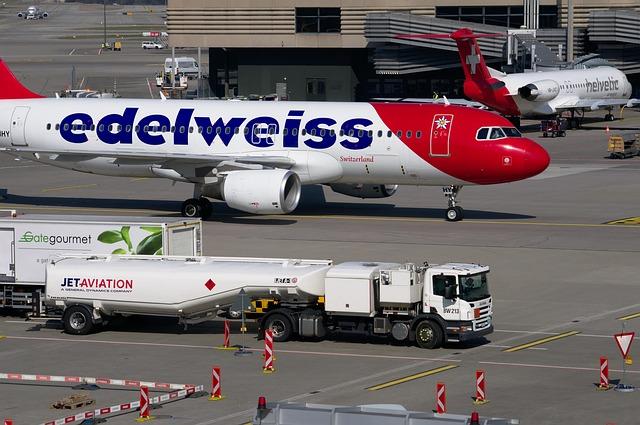
Berlin – The German government has intensified monitoring of the country’s jet fuel supply amid rising concerns over potential disruptions but remains confident that no shortages will occur, according to a Reuters report. Officials emphasized that existing reserves and ongoing supply chain measures are sufficient to maintain stable aviation fuel availability, even as geopolitical tensions and global market fluctuations continue to impact energy sectors worldwide.
German Authorities Enhance Monitoring Amid Rising Energy Concerns
German authorities have intensified their surveillance efforts over energy supplies amid growing concerns fueled by global market fluctuations and geopolitical tensions. While supply chains remain stable for now, officials are closely tracking jet fuel inventories to preempt any potential disruptions. This increased monitoring includes real-time data analysis from airports and refineries, as well as coordination with European energy partners to ensure transparency and readiness.
Key measures implemented include:
- Enhanced reporting protocols from fuel distributors and suppliers
- Regular assessments of strategic reserves to maintain buffer stocks
- Collaboration with aviation industry stakeholders to mitigate demand spikes
- Contingency planning for emergency fuel allocation if needed
Despite the heightened vigilance, officials remain confident that current reserves and supply networks are sufficient to avert any jet fuel shortages in the near term.
Robust Supply Chains Keep Jet Fuel Stocks Stable Despite Increased Demand
Despite a noticeable surge in air travel and increased consumption at airports, Germany’s jet fuel reserves have remained consistently adequate. Government agencies, in coordination with industry stakeholders, have implemented strategic measures targeting both supply chain resilience and logistical efficiency. These initiatives include:
- Diversification of import sources to mitigate geopolitical risks and ensure steady crude oil inflows.
- Enhanced storage capacity across regional hubs to buffer against sudden demand spikes.
- Streamlined distribution networks that prioritize rapid delivery to key aviation centers.
Experts emphasize that this proactive approach has been instrumental in preventing shortages, even as European air traffic recovers sharply post-pandemic. The government’s ongoing vigilance and close monitoring of market indicators are key factors bolstering market confidence, reinforcing Germany’s position as a stable player in the aviation fuel sector amidst fluctuating global energy dynamics.
Experts Advise Continued Investment in Infrastructure to Safeguard Future Fuel Security
Amid growing concerns over supply chain vulnerabilities, industry experts unanimously highlight the critical role infrastructure investment plays in maintaining steady fuel supplies. As Germany navigates the complexities of energy security, specialists emphasize enhancing storage facilities and modernizing distribution networks to bolster resilience against potential disruptions. This strategic focus includes expanding fuel reserves, upgrading pipeline systems, and integrating advanced monitoring technologies to ensure rapid response capabilities.
Key recommendations from experts include:
- Increasing capacity and diversification of fuel storage sites nationwide
- Investing in digital infrastructure for real-time tracking and management
- Supporting sustainable transport logistics to reduce dependency on single supply chains
- Collaborating with private sector stakeholders to foster innovation and flexibility
Such measures are deemed essential not only to prevent immediate jet fuel shortages but to fortify Germany’s long-term energy independence. Authorities are called upon to maintain vigilance and sustained funding to navigate evolving geopolitical challenges and market fluctuations effectively.
Key Takeaways
As the German government intensifies monitoring of fuel supplies amid ongoing geopolitical uncertainties, officials remain confident that jet fuel shortages will not materialize in the near term. While vigilance has been stepped up to ensure stability and prevent disruptions, current assessments indicate that supply chains remain robust. Authorities continue to emphasize the importance of preparedness while reassuring the public and industry stakeholders that flight operations are unlikely to be affected.