
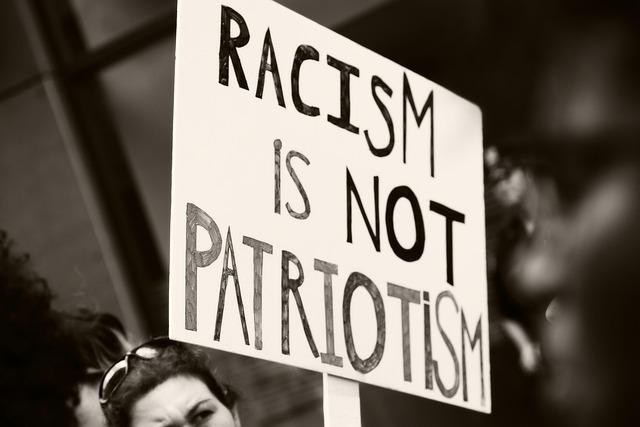
In an unprecedented legal move, Brazil has opened a criminal trial against a foreign tourist accused of racism, following allegations that the individual used offensive words and gestures during a recent visit. The case, which has drawn widespread attention both domestically and internationally, highlights the country’s stringent laws against racial discrimination and raises questions about the enforcement of such statutes on non-citizens. As Brazil confronts longstanding issues of racism, this trial underscores the challenges and complexities of addressing hate crimes within a diverse and multicultural society.
Racial Harassment Laws in Brazil Spotlighted by Tourist Trial
Brazil’s judiciary has taken a profound step by putting a foreign tourist on trial for alleged racial harassment, a move that underscores the country’s evolving legal framework designed to combat discrimination. The case, which has captured national attention, revolves around accusations that the individual engaged in racially offensive language and gestures, acts considered criminal under Brazil’s stringent anti-racism statutes. This legal action not only highlights the zero-tolerance policy Brazil maintains towards racial offenses but also aims to reinforce the message that such behavior, regardless of the perpetrator’s nationality, will face serious consequences.
The trial has sparked widespread debate, bringing to the forefront several critical issues:
- The scope of Brazil’s anti-racism laws and their application beyond domestic citizens to include tourists and expatriates.
- The societal impact of holding individuals accountable for discriminatory acts in a country marked by rich ethnic diversity yet persistent racial challenges.
- The implications for international visitors, highlighting the importance of cultural sensitivity and legal awareness when traveling.
As the proceedings unfold, legal experts and human rights advocates are closely monitoring the case to assess how effectively Brazilian institutions address and deter racial harassment in both public discourse and legal practice.
Legal Implications and Social Impact of Public Racism Cases
Brazil’s legal framework firmly categorizes racist acts as criminal offenses, reflecting the nation’s ongoing battle against deeply entrenched prejudices. The recent trial of a foreign tourist accused of making offensive remarks and gestures has spotlighted the judiciary’s willingness to hold individuals accountable regardless of nationality. Under Brazilian law, such actions can result in penalties including fines and imprisonment, underscoring the country’s zero-tolerance stance toward public expressions of racism. This case exemplifies how legal authorities are navigating the delicate balance between protecting freedom of expression and combating hate speech, especially in a country where racial discrimination has historically been pervasive yet often overlooked.
Beyond the courtroom, the incident has ignited widespread social discourse, generating debates on cultural sensitivity, the responsibilities of visitors in foreign countries, and the broader implications for international relations. Civil society groups have mobilized, emphasizing that tackling racism requires more than legal measures; it demands educational efforts and public awareness campaigns. Among the key points raised are:
- The role of tourism in cross-cultural understanding and potential clashes.
- The impact of publicized legal actions on societal attitudes toward racial discrimination.
- How social media amplifies both condemnation and dialogue around controversial incidents.
This high-profile trial serves as a potent reminder that racism remains a critical issue in Brazil, one that extends beyond individual actions to encompass national identity and social cohesion. The outcomes could set significant precedents for how future cases are handled, influencing both legal practice and public consciousness on the persistent challenge of racial injustice.
Guidelines for Visitors to Respect Cultural Sensitivities and Avoid Legal Trouble
Tourists in Brazil must be acutely aware that actions or language perceived as racist are not only culturally offensive but also legally actionable. The country enforces stringent anti-discrimination laws designed to uphold the dignity and rights of all individuals, regardless of origin. Visitors are strongly advised to avoid any words, gestures, or behaviors that could be interpreted as racist, as authorities have demonstrated a willingness to pursue legal action against offenders, including foreigners. This growing legal vigilance highlights Brazil’s commitment to combating racism and fostering inclusive social environments.
To navigate cultural sensitivities effectively and stay within the boundaries of the law, travelers should:
- Educate themselves on the country’s social norms and legal prohibitions related to racial and ethnic conduct.
- Avoid using derogatory language or gestures that demean or marginalize any racial or ethnic groups.
- Engage respectfully with local communities, demonstrating awareness and sensitivity toward Brazil’s diverse cultural landscape.
- Report any incidents that could escalate into racial tensions, thereby contributing to a safer experience for all.
Future Outlook
As Brazil moves forward with this unprecedented trial, the case highlights the nation’s ongoing struggle to confront and address racism within its borders. The outcome will not only impact the accused tourist but may also signal a broader shift in how racist speech and actions are legally challenged in the country. Observers both within Brazil and internationally will be watching closely, as the trial underscores the complex intersection of law, culture, and human rights in a diverse society grappling with its past and present.