
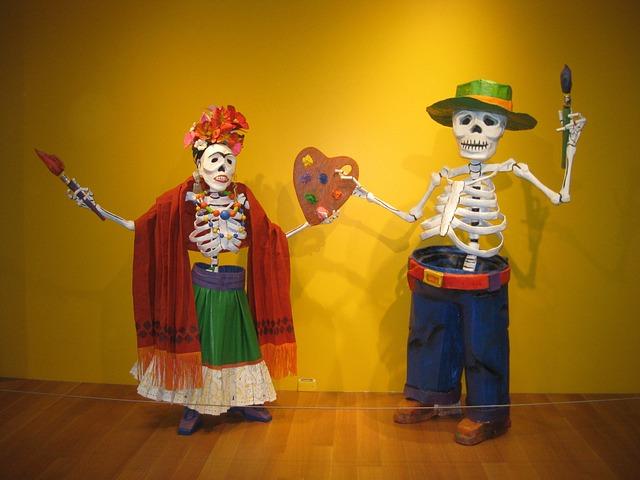
Frida Kahlo’s iconic paintings are making headlines once again, this time as a highly anticipated exhibition prepares to bring her work to Spain. However, the move has sparked controversy and dissatisfaction among many Mexicans who view Kahlo not just as an artist, but as a national symbol deeply rooted in Mexico’s cultural identity. As her paintings cross borders, questions arise about ownership, cultural heritage, and the complexities surrounding the global celebration of one of Mexico’s most beloved figures.
Frida Kahlo’s Art Exhibition Sparks Outcry in Mexico Over Cultural Heritage Concerns
Mexico’s art community and cultural advocates have voiced strong opposition to the decision to loan several of Frida Kahlo’s iconic paintings to a prestigious exhibition in Spain. Critics argue that these works, deeply intertwined with Mexican identity and history, are far more than mere artworks-they represent a national treasure whose removal risks diminishing the country’s cultural sovereignty. The controversy underscores broader concerns about the preservation of Mexican heritage and the ethical implications of transporting such irreplaceable pieces across continents.
The outcry has prompted calls from various sectors urging authorities to reconsider the terms of the exhibition, emphasizing the following points:
- Protection of Cultural Identity: Kahlo’s art is seen as an emblem of Mexican resilience and identity, making its relocation a sensitive issue.
- Risk of Damage and Loss: The fragility of the paintings raises fears about potential harm during transport.
- Access for Local Audiences: Removing these works from Mexico restricts the ability of local fans and scholars to engage with them firsthand.
Experts Weigh in on the Impact of Exporting National Treasures Abroad
Experts in art history and cultural preservation express deep concern over the decision to send Frida Kahlo’s masterpieces overseas. Renowned curator Ana Martínez highlights that while international exposure can elevate an artist’s global stature, the exportation of iconic national treasures risks detaching these works from their cultural and historical context, potentially diluting their significance for local audiences. “Kahlo’s art is more than just paintings; it’s a narrative of Mexican identity, struggle, and resilience,” she explains. The concern extends beyond emotional ties-securing the proper care and ensuring the art remains accessible to the public in Mexico becomes increasingly complex once the pieces cross borders.
Several cultural advocates argue that exporting such invaluable works can lead to a slippery slope with broader implications. Key points raised include:
- Loss of cultural heritage: National treasures may become permanently housed abroad, limiting domestic engagement.
- Economic impact: Local museums and tourism industries might suffer when these star attractions are unavailable.
- Diplomatic tensions: Export decisions can spark public outcry and strain relationships between governments and cultural institutions.
While some see the move as an opportunity for cross-cultural dialogue, many insist that safeguarding the legacy of artists like Kahlo should prioritize their impact within their homeland.
Calls for Strengthening Policies to Protect and Preserve Mexican Artistic Legacy
Recent decisions to send Frida Kahlo’s masterpieces abroad have reignited a fervent debate among cultural advocates and the public alike. Critics argue that while international exhibitions promote Mexican culture globally, they also expose invaluable artworks to potential risks and diminish local access to these national treasures. Calls for more robust legislation emphasize the need to safeguard cultural patrimony by imposing stricter export controls and ensuring that iconic works remain within Mexico’s borders whenever possible.
Key demands from activists and experts include:
- Implementing comprehensive laws that limit the international loan and sale of historical artworks without governmental approval.
- Enhancing funding for national museums to improve facilities and prevent the necessity of sending pieces abroad for financial reasons.
- Promoting educational programs to foster public appreciation and understanding of Mexico’s artistic heritage.
- Encouraging collaboration between private collectors, institutions, and authorities to ensure artworks are protected and displayed responsibly.
Final Thoughts
As Frida Kahlo’s paintings prepare to leave Mexico for exhibitions in Spain, the controversy surrounding their relocation continues to ignite passionate debate. For many Mexicans, these works represent more than art-they are vital symbols of cultural identity and national pride. The ongoing discussion highlights broader conversations about the ownership and stewardship of cultural heritage in a globalized world. As the paintings travel abroad, all eyes remain on how this chapter will impact the legacy of one of Mexico’s most iconic artists, and the sentiments of the people who hold her memory close.