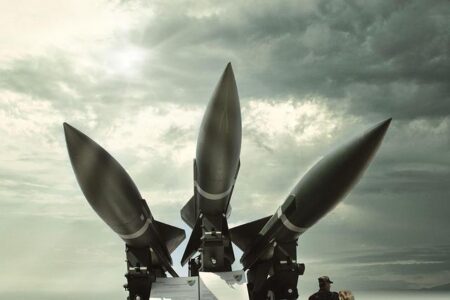

Japan is stepping up its military capabilities with an ambitious and unprecedented rearmament program, signaling a significant shift in the region’s defense landscape. However, despite Tokyo’s bolstered arsenal and growing strategic posture, Taiwan cannot afford to rely on Japan’s military resurgence as a safeguard against escalating threats. In this analysis for The Strategist, ASPI examines the implications of Japan’s defense transformation and why Taiwan’s security calculus must remain cautious amid evolving geopolitical realities.
Japan’s Rapid Rearmament Signals Regional Resolve Amid Rising Tensions
Japan’s accelerated military expansion underscores a strategic pivot driven by escalating regional threats and a desire to assert sovereignty amidst growing uncertainties. The government’s commitment to augment its defense budget, acquire advanced weaponry such as hypersonic missiles, and enhance its naval capabilities reflects a broader determination to deter potential aggression. This transformation marks a significant shift from Japan’s post-World War II pacifist stance, signaling a readiness to play a more assertive role in regional security architectures.
However, while Japan’s rapid rearmament sends a strong message of regional resolve, it raises critical questions about the security calculus for neighboring Taiwan. Key considerations include:
- Geopolitical Constraints: Japan’s constitution and domestic politics still impose limits on offensive capabilities and foreign military interventions.
- Strategic Priorities: Tokyo’s primary focus remains on defending its own territory rather than engaging directly in Taiwan’s defense.
- Allied Dependence: Japan continues to rely heavily on the U.S. security umbrella, emphasizing collaboration over solo action.
These factors suggest that, despite Japan’s impressive military buildup, Taiwan cannot solely depend on Japanese intervention in the event of heightened cross-strait conflict.
Limitations of Japan’s Military Expansion and Implications for Taiwan’s Defense
Despite significant strides in bolstering its Self-Defense Forces, Japan’s military expansion faces inherent constraints that limit its capacity to act as a guarantor of regional security, particularly for Taiwan. Constitutional restrictions rooted in Article 9 continue to shape Tokyo’s defense posture, curbing offensive capabilities and restricting power projection beyond its immediate vicinity. Moreover, Japan’s strategic focus remains largely defensive, aimed primarily at deterring threats to its own territory rather than extending security commitments. Budgetary allocations, though increasing, still prioritize advanced technology and missile defense over large-scale expeditionary forces, underscoring a cautious approach to military engagement.
For Taiwan, these limitations translate into an urgent imperative to enhance its own defense mechanisms rather than rely on Japan as a military shield. While Japan’s rearmament can contribute to regional deterrence, Taipei should recognize the following realities:
- Japan’s constitutional and political constraints prevent it from engaging in proactive conflict support beyond self-defense.
- Strategic priorities focus on homeland defense and alliance coordination with the U.S., rather than direct intervention in Taiwan’s defense.
- Dependency risks could arise if Taiwan overestimates Japanese military support, potentially undermining its own autonomous deterrence strategies.
In light of these factors, Taiwan’s defense planning must prioritize self-reliance, modernizing indigenous capabilities while maintaining pragmatic alliances that complement, rather than rely on, Japan’s evolving military posture.
Strategic Recommendations for Taiwan to Strengthen Autonomous Security Capabilities
To fortify its independent defense posture, Taiwan must prioritize the development of advanced indigenous technologies that reduce reliance on external suppliers. Investment in next-generation missile systems, cyber warfare capabilities, and unmanned aerial vehicles can provide a significant asymmetric edge. Strengthening local defense industries not only accelerates innovation tailored to Taiwan’s unique threats but also ensures sustainment during periods of geopolitical tension when foreign support may become uncertain.
Key strategic actions include:
- Expanding research and development funding for cutting-edge military technologies
- Enhancing domestic production lines for critical defense hardware
- Fostering closer collaboration between civilian tech firms and military agencies
- Building reserve forces with specialized training in cyber and hybrid warfare
- Instituting rigorous joint exercises to improve interoperability across branches
Such measures will be indispensable as Taiwan confronts an evolving security landscape, where overdependence on potential external backers-even those rapidly upgrading their forces like Japan-carries inherent risks. By doubling down on self-sufficiency, Taiwan can better safeguard its sovereignty through deterrence rooted in resilient, capable, and adaptable defense capabilities.
Final Thoughts
As Japan continues its significant military buildup amidst regional uncertainties, the island nation positions itself as a more formidable security actor in East Asia. However, Taiwan’s ability to rely on Japan’s enhanced defense capabilities remains uncertain, shaped by complex political dynamics and strategic calculations. As tensions persist across the Taiwan Strait, the evolving security landscape calls for close attention to how regional actors balance deterrence with diplomacy in the years ahead.