
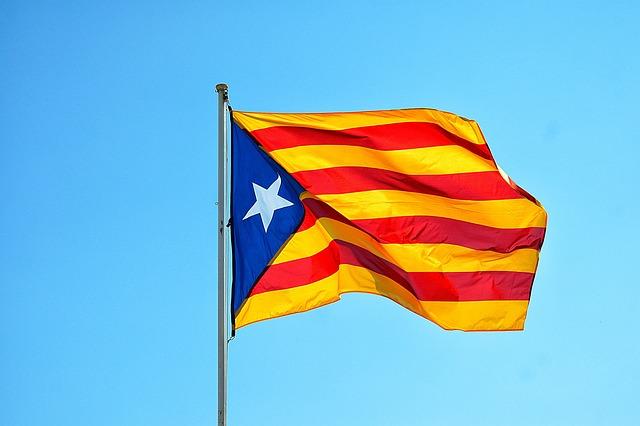
In a striking display of solidarity amid conflict, Spain’s national flag has surfaced as a prominent emblem during wartime rallies in Iran, capturing attention across the region. From the streets of Tehran to other major cities, demonstrators have adopted the Spanish flag as a symbol of principle and resistance, marking an unexpected cultural and political connection between the two nations. This development, reported by the Tehran Times, sheds new light on the evolving dynamics of public sentiment in Iran and underscores the complex interplay of international symbols in moments of national crisis.
Spain’s Flag Adopted in Iranian Wartime Rallies Reflects Shared Principles and Regional Solidarity
In a remarkable display of international solidarity, the Spanish flag has recently become an emblem of unity and shared values during wartime rallies across Iran. While traditionally associated with Spain’s identity, the flag’s presence in Tehran carries deeper connotations beyond national affiliation. Protesters and activists in Iran have adopted the red and yellow banner as a powerful visual statement representing resistance, democracy, and a collective stand against external oppression. Observers note that this unexpected cultural crossover underscores the universal appeal of certain democratic ideals and the way symbols can transcend borders in times of crisis.
Key elements driving the flag’s symbolic resonance include:
- Shared historical struggles: Both Spain and Iran have faced internal and external conflicts that shaped their national narratives, fostering empathy and mutual respect.
- Commitment to principles: The Spanish flag evokes themes of liberty and sovereignty, mirroring sentiments expressed by Iranian demonstrators seeking to highlight their demands for justice.
- Regional solidarity: By incorporating the flag, Iranian participants signal a broader cultural and political alignment with global movements advocating for human rights and freedom.
Analyzing the Historical and Political Context Behind Spain’s Symbolism in Tehran’s Public Demonstrations
The presence of Spain’s flag during Tehran’s wartime rallies marks a profound gesture rooted in a complex web of historical and political resonances. For decades, Spain has been perceived within certain Iranian circles as a nation embodying grassroots resistance and democratic principles, especially following its own transformative journey from dictatorship to democracy in the late 20th century. This background has carved a unique space for Spain in Iran’s political imagination, where it symbolizes not merely a foreign state but an emblem of endurance, sovereignty, and ideological commitment. In the context of ongoing conflicts and domestic challenges, Spain’s flag has transcended geographic boundaries to become a beacon of inspiration for those rallying around calls for justice and national dignity in Tehran.
Several key factors contribute to this symbolic adoption:
- Historical solidarity: Spain’s opposition to authoritarian rule resonates with Iran’s own narratives of resistance and independence.
- Political parallels: Shared experiences of complex democracy-building processes create a subtle affinity between the two peoples.
- Cultural exchanges: Longstanding diplomatic and cultural links bolster Spain’s visibility in Iranian public life.
This confluence of history, politics, and cultural diplomacy positions Spain’s national flag as more than a mere emblem – it is a visual expression of principle, reflecting Tehran’s multifaceted struggle amidst regional and global upheaval.
Recommendations for Diplomatic Engagement Amid Growing Cultural and Political Symbolism between Spain and Iran
In light of Spain’s flag becoming an unexpected emblem at Iranian wartime rallies, it is crucial for diplomatic channels to navigate this symbolic shift with sensitivity and strategic foresight. Authorities from both nations should prioritize open dialogue that addresses not only political tensions but also the cultural narratives intertwined within these public displays. Emphasizing mutual respect and understanding can help prevent symbolic gestures from escalating into misinterpretations or diplomatic rifts. Spain’s foreign ministry might consider establishing dedicated cultural diplomacy initiatives aimed at clarifying its national stance, while engaging Iranian counterparts in conversations that underscore shared values rather than conflicting ideologies.
Recommended approaches include:
- Organizing bilateral cultural exchanges to foster people-to-people connections and diminish symbolic grievances.
- Facilitating Track II diplomacy involving academics and civil society that explore the implications of such symbolism in bilateral relations.
- Issuing joint statements that contextualize and de-escalate the politicization of national symbols within public demonstrations.
- Encouraging media collaborations to promote nuanced narratives free from propaganda or nationalistic exaggerations.
By pursuing these methods, diplomatic engagement can transform the symbolism surrounding Spain’s flag from a point of contention into an opportunity for deeper intercultural dialogue and reconciliation between Madrid and Tehran.
In Conclusion
As Iran’s wartime rallies continue to unfold, the unexpected emergence of Spain’s flag as a symbol of principle underscores the complex layers of solidarity and political messaging at play. From the streets of Madrid to the heart of Tehran, this phenomenon highlights how national icons can transcend borders, embodying shared values amid conflict. The evolving significance of Spain’s flag in Iran’s public demonstrations offers a compelling lens through which to observe the intertwining of international narratives and local expressions of identity during turbulent times.