
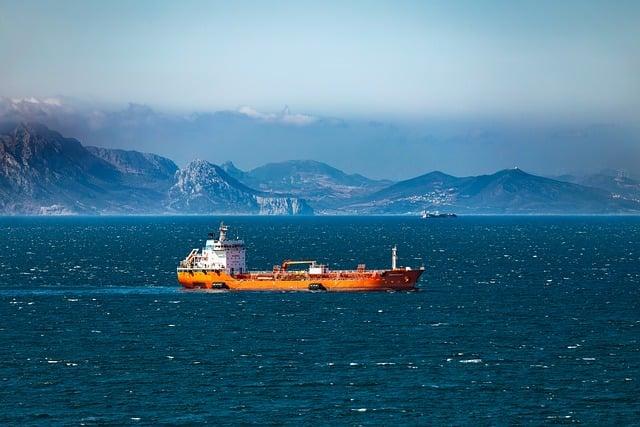
A tanker carrying U.S. crude oil has arrived in Japan for the first time since the outbreak of the Iran war, marking a significant development in the energy trade between the two nations. The vessel’s arrival underscores shifting dynamics in global oil supply routes amid ongoing geopolitical tensions in the Middle East. According to Kyodo News, this event could signal a renewed strengthening of energy ties between the United States and Japan as both countries navigate an increasingly complex international landscape.
Tanker Carrying US Oil Marks Japan’s Strategic Shift Amid Iran Conflict
In a significant geopolitical development, Japan has accepted a tanker carrying U.S. crude oil, marking the first shipment of its kind since escalating tensions surrounding the Iran conflict. This move underscores Japan’s strategic recalibration towards energy security and alliance reinforcement amid growing uncertainties in the Middle East. The vessel’s arrival signals Tokyo’s willingness to diversify its oil suppliers while maintaining crucial ties with the United States, reflecting a nuanced response to global energy dynamics.
Key implications of this shipment include:
- Enhanced cooperation between Japan and the U.S. on energy and security fronts
- A potential shift from heavy reliance on Middle Eastern oil, specifically Iranian sources
- Strengthened response capabilities to regional geopolitical disruptions
The decision also illustrates Japan’s broader strategic intent to ensure stable energy inflows amid a volatile international environment, emphasizing the nation’s commitment to protecting its critical infrastructure and economic interests.
Implications for Japan’s Energy Security and Regional Diplomacy
The arrival of the U.S. oil tanker in Japan marks a significant development in Tokyo’s approach to diversifying its energy imports amid growing geopolitical uncertainties. By securing American crude, Japan not only reduces its dependence on Middle Eastern supplies but also fortifies its resilience against potential regional disruptions. This move signals a strategic pivot towards strengthening ties with alternative energy partners, thereby enhancing the stability of its energy infrastructure in a volatile global market.
From a diplomatic perspective, Japan’s acceptance of U.S. oil shipments for the first time since the Iran conflict underscores a subtle recalibration in regional alliances. It reflects Tokyo’s intent to balance its relationships between traditional Middle Eastern energy suppliers and Western allies without escalating tensions in an already sensitive geopolitical environment. Key implications include:
- Enhanced energy security through diversified supply chains
- Closer economic and strategic alignment with the United States
- Potential strain on relations with countries opposing US policies in the Middle East
This development could influence future negotiations and cooperation frameworks in East Asia, redefining the contours of energy diplomacy and regional stability.
Recommendations for Diversifying Supply Chains and Enhancing Energy Resilience
In light of recent developments involving the arrival of a U.S. oil tanker in Japan for the first time since the Iran war, it is imperative for nations to rethink their supply chain strategies. Diversification of supply sources stands as a crucial measure to mitigate risks associated with geopolitical tensions and regional conflicts. Expanding partnerships beyond traditional suppliers not only reduces dependency but also enhances bargaining power. Countries are encouraged to explore alliances with emerging energy producers and invest in alternative shipping routes to bypass vulnerable choke points. Such proactive diversification efforts can help stabilize fuel supplies amidst global uncertainties.
Simultaneously, building energy resilience demands a multifaceted approach that includes improving domestic energy infrastructure and increasing stockpile capacities. Governments and private sectors should prioritize:
- Developing renewable energy projects to complement fossil fuel imports
- Implementing advanced technologies for efficient storage and distribution
- Strengthening emergency response mechanisms for supply disruptions
- Encouraging energy conservation and demand-side management initiatives
By integrating these strategies, nations can fortify their energy security and better withstand shocks related to international conflicts or market volatility.
Insights and Conclusions
The arrival of the U.S. oil tanker in Japan marks a notable development in energy trade dynamics amid ongoing geopolitical tensions stemming from the Iran conflict. As Japan diversifies its energy sources and strengthens ties with alternative suppliers, this event could signal shifts in regional energy security strategies. Observers will be watching closely to see how this move influences both Japan’s energy policies and broader international relations in the coming months.