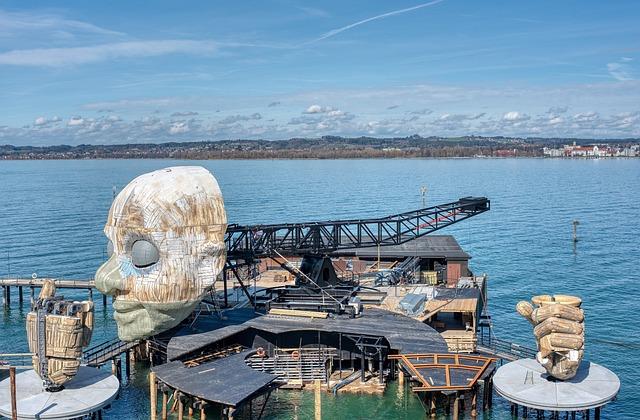
Construction of the stage for Shakira’s highly anticipated concert in Brazil has resumed following a temporary halt sparked by the tragic death of a worker on site. The incident, which prompted an immediate investigation and safety review, raised concerns about workplace conditions and event planning timelines. As authorities and organizers work to ensure enhanced safety measures, efforts are now underway to complete the stage in time for the scheduled performance, underscoring the balancing act between honoring the worker’s memory and meeting the demands of a major international event.
Construction of Shakira’s Concert Stage in Brazil Resumes Following Tragic Worker Death
Work on the elaborate stage setup for Shakira’s highly anticipated concert in Brazil has officially resumed after a brief suspension caused by a tragic accident that claimed the life of a construction worker. Authorities and event organizers had paused all activities to conduct a thorough investigation and reinforce safety protocols, ensuring that such incidents do not recur. The construction team, equipped with enhanced safety measures and renewed vigilance, is now back on site, working against the clock to complete the installation ahead of the show date.
Key developments since construction restarted include:
- Implementation of stricter safety inspections and mandatory training sessions for all workers.
- Installation of additional protective barriers and safety nets around high-risk areas of the stage.
- Close collaboration between organizers, local authorities, and safety experts to maintain compliance with occupational health standards.
The production team remains committed to honoring the memory of the deceased worker by ensuring a safe environment for all personnel involved and delivering an unforgettable concert experience for Shakira’s fans across Brazil.
Safety Measures Intensified to Prevent Future Accidents at High-Profile Event Sites
In response to the tragic incident that occurred during the stage construction for Shakira’s concert, authorities and event organizers have implemented stringent safety protocols to safeguard workers and prevent similar accidents. This includes comprehensive site audits conducted by independent safety experts and the mandatory use of advanced personal protective equipment. Supervisors are now required to oversee every phase of construction more closely, ensuring strict adherence to safety standards. Additionally, emergency response teams have been stationed on-site around the clock to provide immediate assistance if necessary.
Key measures now prioritized at high-profile event venues involve:
- Enhanced worker training: Focused on hazard recognition and safe operational procedures.
- Regular safety drills: To prepare teams for potential emergencies.
- Installation of safety barriers and fall protection systems: Minimizing risk of injury from height-related hazards.
- Strict compliance audits: Carried out daily to ensure all construction activities meet regulatory requirements.
These efforts collectively aim to restore confidence among the workforce and spectators alike, underscoring a commitment to maintaining the highest standards of workplace safety as large-scale event preparations continue across the region.
Experts Recommend Comprehensive Training and Enhanced Oversight for Event Construction Projects
Industry specialists emphasize the critical importance of thorough training programs for workers involved in event construction, especially for high-profile projects like Shakira’s concert stage. Such training should cover not only technical skills but also comprehensive safety protocols tailored to the unique challenges of building temporary structures under tight deadlines and unpredictable environments. Experts argue that equipping crews with advanced knowledge can significantly reduce the risk of accidents, ensuring both efficiency and safety throughout the construction process.
In addition to improved training, enhanced oversight is being urged as a necessary measure. This includes regular on-site safety audits, clear communication channels between supervisors and workers, and stringent enforcement of safety standards by regulatory bodies. Key recommendations include:
- Implementing mandatory safety certification for all event construction workers
- Deploying specialized safety officers focused solely on monitoring compliance
- Utilizing real-time reporting systems for hazards and near-misses
- Encouraging collaborative safety briefings before each shift
These combined efforts aim to create a safer working environment and prevent future tragedies, underscoring the need for a cultural shift within the event construction industry.
To Conclude
As construction on the stage for Shakira’s concert in Brazil resumes, authorities continue to investigate the circumstances surrounding the worker’s tragic death. Event organizers have pledged to implement stricter safety measures moving forward, aiming to prevent any further incidents. The incident has cast a somber tone over the highly anticipated performance, as the community and fans alike await updates on the concert’s preparations and safety protocols.