
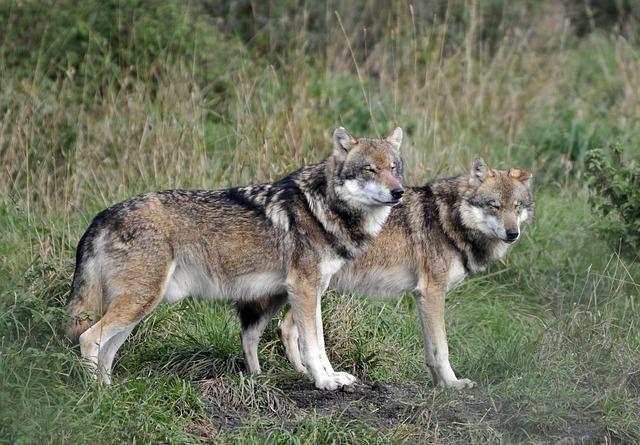
Eighteen wolves have been found dead under suspicious circumstances in one of Italy’s national parks, raising serious concerns about potential poisoning. Authorities have launched an investigation as environmentalists and wildlife experts condemn the killings, highlighting the growing threats facing the country’s protected wildlife. The incident has sparked outrage and renewed calls for stronger measures to safeguard vulnerable species in Italy’s natural reserves.
Poisoning Raises Alarms Over Wolf Population Decline in Italian National Park
Authorities in Italy are investigating the suspicious deaths of 18 wolves within a protected national park, with initial findings pointing towards deliberate poisoning. This alarming trend threatens the fragile balance of the ecosystem, as wolves play a critical role in maintaining biodiversity and controlling prey populations. Conservationists have called for urgent measures to identify those responsible and prevent further attacks, highlighting the growing conflict between wildlife preservation and local agricultural interests.
The suspected poisoning has raised multiple concerns:
- Impact on wolf population: Losing 18 individuals in a short timeframe poses significant risks to the genetic diversity and long-term sustainability of the species.
- Community tensions: Farmers and livestock owners express frustration over attacks on their animals, sometimes resorting to illegal tactics out of desperation.
- Need for enhanced surveillance: Calls for stricter monitoring and stricter enforcement of wildlife protection laws are intensifying at both regional and national levels.
As the investigation continues, balancing ecological preservation with local livelihoods remains a pressing challenge for policymakers and conservation groups alike.
Investigations Underway as Authorities Seek Evidence and Motive
Authorities have launched a comprehensive investigation following the unexpected deaths of 18 wolves in one of Italy’s most treasured national parks. Forensic teams are meticulously collecting samples and analyzing evidence to determine the exact cause of death, with initial signs pointing to potential poisoning. Park rangers and wildlife biologists are collaborating closely, piecing together the timeline and possible sources of contamination that could have led to this devastating incident.
Officials are also actively pursuing leads to identify any individuals or groups that may have had a motive. Among the key areas of focus are:
- Local conflicts involving farmers or shepherds concerned about livestock safety.
- Illegal hunting practices and their possible escalation in recent months.
- Environmental factors that might have been exploited intentionally to harm the wolf population.
The inquiry remains ongoing, with authorities urging the public to come forward with any information that could assist in unveiling the truth behind this alarming episode.
Experts Urge Stricter Wildlife Protection Measures and Enhanced Monitoring Efforts
In response to the alarming discovery of 18 wolf carcasses in the Italian national park, conservationists and wildlife experts are calling for immediate action to prevent further tragedies. Strong advocacy for enhanced surveillance technology, including drone patrols and GPS tracking collars, is gaining momentum as authorities grapple with the challenge of deterring illegal activities such as poisoning and poaching. Experts highlight that without robust enforcement, the fragile wolf population faces irreversible decline, threatening the biodiversity of one of Europe’s most critical ecosystems.
Authorities are also urged to implement comprehensive community awareness programs aimed at reducing human-wildlife conflicts that often lead to such attacks. Key recommendations from specialists include:
- Establishing rapid-response units for suspected wildlife poisoning cases
- Increasing funding for ecological research and forensic investigation
- Collaborating closely with local farmers and residents to foster coexistence strategies
These steps, experts argue, are essential to ensure swift detection of threats and to reinforce legal frameworks that protect the wolf population from illicit harm.
Closing Remarks
The suspected poisoning of 18 wolves in an Italian national park has raised serious concerns among conservationists and authorities alike. As investigations continue, officials emphasize the urgent need for stronger protections and increased vigilance to safeguard the region’s vulnerable wildlife. The incident underscores the ongoing challenges faced in balancing human activities with the preservation of natural ecosystems across Europe. Further updates are awaited as efforts to identify those responsible intensify.