
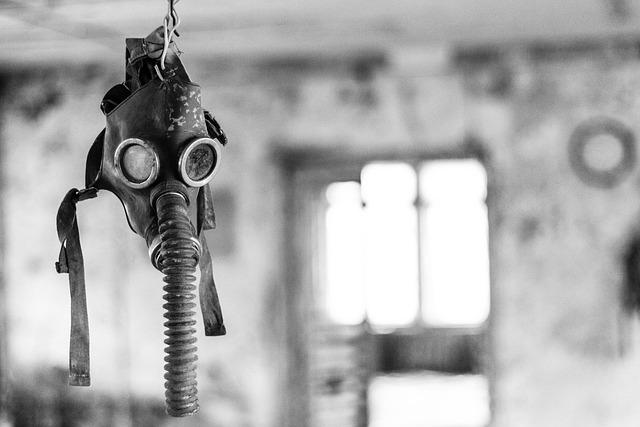
Forty years after the catastrophic explosion at the Chernobyl nuclear power plant, Russia continues to suppress the voices of those affected by the disaster. Despite the passage of time, survivors, activists, and journalists face ongoing censorship and intimidation, as the government seeks to control the narrative surrounding one of the worst nuclear accidents in history. This enduring silence raises critical questions about transparency, accountability, and the right to remember, even decades after the initial tragedy.
The Enduring Struggle of Chernobyl Voices Under Russian Suppression
Decades after the catastrophic nuclear disaster, survivors and activists from Chernobyl continue to face significant challenges in voicing their stories and advocating for justice. Under the current Russian regime, these voices have been systematically stifled through a combination of censorship, intimidation, and misinformation campaigns. Efforts to keep the public informed about the ongoing health and environmental impacts are frequently suppressed, leaving a dangerous gap in awareness and accountability. Independent journalists and human rights defenders reporting on Chernobyl-related issues routinely encounter reprisals, including arrests and threats, effectively muzzling any dissent.
The restrictions imposed extend beyond traditional media outlets, affecting social platforms and community networks that once played pivotal roles in fostering solidarity among affected populations. Key tactics employed include:
- Monitoring and blocking online content related to Chernobyl activism
- Harassment of NGOs working on nuclear safety and radiation health
- Restricting public commemorations and gatherings that raise awareness
These measures highlight a broader strategy aimed at erasing uncomfortable historical narratives and minimizing international scrutiny. Despite these obstacles, grassroots movements remain resilient, continually striving to ensure that the lessons of Chernobyl are neither forgotten nor distorted.
Unmasking the Impact of Silence on Survivors and Environmental Truths
Decades after the catastrophic nuclear disaster, survivors continue to grapple not only with the physical aftermath but with a pervasive silence imposed by authorities. This enforced quietude has stifled open dialogue about the true health consequences faced by those exposed and has obstructed independent investigations that could shed light on the lingering environmental damage. The deliberate suppression of firsthand accounts and scientific analyses has created an atmosphere of mistrust and invisibility, leaving survivors to endure their suffering in isolation and obscurity.
Key factors contributing to this ongoing silence include:
- State-controlled narratives: Official statements often downplay the severity of the disaster’s effects, shaping public perception and limiting critical discourse.
- Media restrictions: Limited press freedom curtails comprehensive reporting on radiation’s long-term impact on communities and ecosystems.
- Cultural stigma: Survivors frequently face social alienation, discouraging them from speaking out or seeking help.
Breaking through these barriers remains essential, not just for honoring the memory and resilience of those affected, but for fostering transparency that could inform safer nuclear policies in the future.
Urgent Calls for Transparency and International Support to Break the Silence
For over four decades, the legacy of Chernobyl has been shrouded in a chilling silence, perpetuated by systematic suppression and misinformation. Despite the catastrophic scale of the disaster, official narratives have minimized its consequences, obstructing survivors’ access to justice and healthcare. The need for transparent, independent investigations and open dialogue is more urgent than ever, as continued obfuscation risks erasing critical historical truths and endangers the well-being of affected communities.
International organizations, governments, and civil society must unite to:
- Demand full disclosure of archival materials and environmental data related to Chernobyl.
- Support victims with comprehensive healthcare and social services.
- Amplify survivor testimonies to ensure their stories are neither forgotten nor distorted.
- Implement rigorous monitoring of radiation effects across borders to preempt further harm.
Only through collective transparency and sustained global involvement can the voices silenced for too long begin to be heard, and a genuine reckoning with this historic tragedy take place.
The Conclusion
Four decades after the Chernobyl disaster, the efforts to suppress the voices of those affected continue to cast a long shadow over the region’s history and legacy. Despite the passage of time, the stories of survivors, activists, and concerned citizens remain underreported and often deliberately marginalized. As the world reflects on the lessons of Chernobyl, it is crucial to recognize the ongoing struggle for transparency and truth in Russia-a struggle that underscores the broader challenges of confronting past and present governmental narratives. Only by listening to these silenced voices can a more complete and honest account of Chernobyl’s impact be told.