
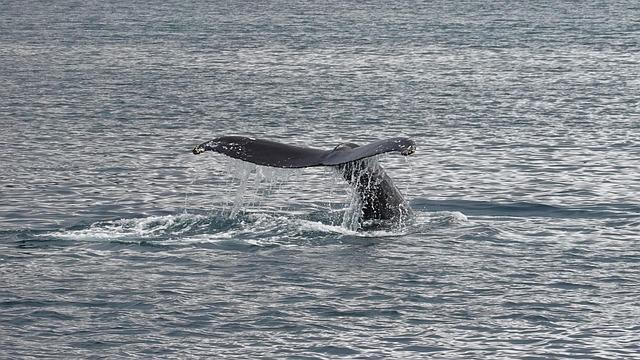
A young humpback whale named “Timmy” has been successfully transported back to the ocean after becoming stranded, highlighting ongoing efforts to rescue marine mammals in distress. The operation, covered by DW.com, involved a coordinated team of wildlife experts and volunteers who worked tirelessly to ensure Timmy’s safe return to his natural habitat. This event underscores the challenges and importance of marine conservation initiatives worldwide.
Humpback Whale Timmy’s Journey Back to the Ocean Highlights Rescue Efforts
After days of careful planning and coordination, rescuers successfully transported Timmy, the stranded humpback whale, back to his natural habitat. The operation involved a team of marine biologists, veterinarians, and volunteers who worked tirelessly to ensure the well-being of the massive creature during the delicate transfer. Utilizing a specially designed stretcher and flotation devices, Timmy was moved from a shallow coastal area to a waiting support vessel, marking a critical step in his journey toward full recovery and release.
Key aspects of the rescue effort included:
- 24/7 monitoring by experts to assess Timmy’s health and stress levels.
- Use of sedation techniques to minimize discomfort during transport.
- Coordination with local authorities to secure the transport route and ensure public safety.
- Community engagement that raised awareness and provided essential resources.
This collaborative initiative not only underscores the importance of marine conservation but also highlights the resilience and responsiveness of rescue teams dedicated to protecting endangered wildlife. Timmy’s safe return to the ocean serves as a powerful reminder of what can be achieved when science, compassion, and community come together.
Challenges Faced During the Transportation of Timmy and Lessons for Future Marine Wildlife Rescues
The transportation of Timmy, the humpback whale, presented numerous logistical and environmental challenges that tested the capabilities of the rescue team. Maintaining the whale’s delicate health was paramount, requiring a balance between hydration, temperature control, and minimizing stress. Constant monitoring was essential to ensure that Timmy remained stable inside the transport crate, with veterinary experts carefully managing sedation levels to avoid any adverse reactions. The route chosen had to avoid heavy marine traffic and turbulent waters, emphasizing the need for precise coordination between marine authorities and rescue operatives.
Several key takeaways emerged from the operation that can inform future marine wildlife rescues:
- Advanced planning and inter-agency collaboration are critical to streamline the complex movement through coastal regions.
- Custom-designed transport equipment that adapts to species-specific needs ensures safer transit.
- Real-time environmental monitoring helps anticipate and mitigate potential hazards during transport.
- Expert veterinary presence throughout the journey is crucial for immediate intervention if health issues arise.
These lessons underscore the importance of holistic, multidisciplinary approaches to wildlife rescue, highlighting that every successful mission contributes invaluable insights for safeguarding marine giants like Timmy in the future.
Expert Recommendations for Enhancing Marine Mammal Rehabilitation and Release Practices
Marine mammal experts emphasize the importance of individualized care protocols tailored to the unique needs of each animal throughout the rehabilitation journey. This approach not only addresses physical injuries but also focuses on behavioral health, critical for successful reintegration into the wild. Specialists advocate for enhancing monitoring techniques using satellite tagging and drone surveillance, enabling real-time data collection on post-release adaptation and migration patterns. Furthermore, collaborative efforts between rehabilitation centers, governmental agencies, and local communities are seen as vital to creating standardized best practices and ensuring resource availability during critical rescue operations.
Among the key recommendations is the integration of environmental enrichment both during rehabilitation and just prior to release, which helps stimulate natural behaviors and increases survival prospects. Experts also stress the need for transparent communication strategies to educate the public and foster support for conservation initiatives. This includes clear messaging on the challenges faced by marine mammals and the significance of responsible human interaction. When viewed holistically, these strategies contribute to more ethical and effective rehabilitation processes, ultimately improving the long-term wellbeing of animals like Timmy the humpback whale as they return to their ocean habitats.
Closing Remarks
As Timmy’s journey back to the open ocean concludes, his story underscores the ongoing efforts of marine teams and conservationists dedicated to protecting vulnerable whale populations. The successful transport marks a hopeful milestone for the young humpback’s recovery and highlights the importance of continued awareness and support for marine wildlife rehabilitation. DW.com will continue to monitor Timmy’s progress and the broader implications for whale conservation worldwide.