
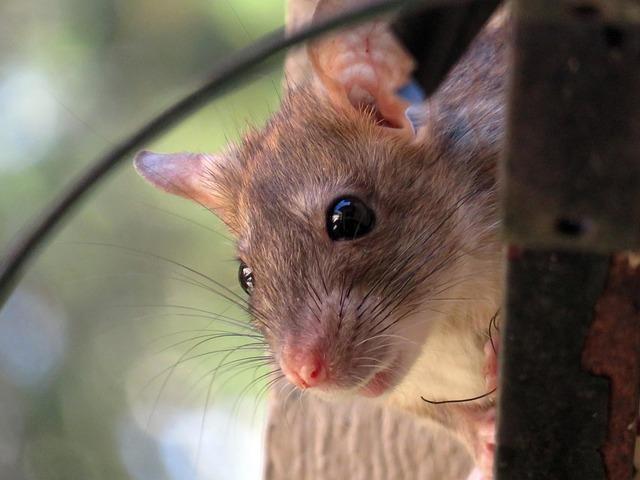
Rats have become a growing health hazard in Gaza’s overcrowded tent camps, where children are increasingly falling victim to bites amid deteriorating sanitary conditions. According to reports from France 24, these infestations are exacerbating the spread of disease and underscoring the urgent need for improved public health measures in the conflict-affected region. As humanitarian organizations grapple with limited resources, residents face escalating risks that threaten already fragile living environments.
Rats Overrun Gaza’s Tent Camps Fueled by Overcrowding and Lack of Sanitation
The sprawling tent camps in Gaza have become breeding grounds for a growing rat infestation, alarming residents and health officials alike. With families crammed into makeshift shelters and limited access to basic sanitation, these rodents have found ample opportunities to multiply and thrive. Reports indicate frequent encounters where rats bite children during the night, exacerbating fears among parents and prompting urgent calls for intervention. Compounded by persistent waste accumulation and inadequate waste disposal systems, the vermin problem has reached unprecedented levels, turning already dire living conditions into health hazards.
Authorities and humanitarian organizations face numerous challenges in curbing the crisis, hampered by ongoing infrastructural deficiencies and overcrowding. Key factors contributing to the outbreak include:
- Overflowing garbage piles attracting rodents close to living quarters.
- Scarcity of clean water complicating efforts to maintain hygiene.
- Limited medical resources to treat bite victims and prevent disease spread.
The unchecked proliferation of rats not only threatens physical health-increasing risks of rat-bite fever, leptospirosis, and other infections-but also fuels psychological distress among beleaguered camp inhabitants. Immediate comprehensive responses are deemed critical to prevent further escalation and protect vulnerable populations.
Health Officials Warn of Rising Disease Cases Linked to Rat Bites Among Children
Health authorities in Gaza are raising alarms as a surge in rat-bite incidents among children has been linked to the spread of serious diseases. The overcrowded tent camps, struggling with poor sanitation and limited waste disposal, have become breeding grounds for rodents, increasing the risk of bacterial infections and other health complications. Medical centers report a noticeable uptick in cases involving symptoms consistent with rat-bite fever, leptospirosis, and other vector-borne illnesses, placing already vulnerable populations at heightened risk.
Preventative measures advised by officials include:
- Immediate medical evaluation for any child bitten by a rat
- Improved sanitation and waste management in tent camps
- Community awareness campaigns about rodent control and hygiene practices
- Distribution of protective gear and supplies to families residing in affected areas
Authorities emphasize the urgency of coordinated efforts between local NGOs, health workers, and international aid organizations to contain the outbreak and limit further exposure. Without efficient intervention, the health consequences could escalate, underscoring the precarious living conditions faced by Gaza’s displaced populations.
Urgent Call for International Aid to Improve Waste Management and Pest Control Measures
Gaza’s tent camps are grappling with a severe public health crisis as rampant rat infestations threaten the wellbeing of vulnerable communities. Children, in particular, have become frequent victims of rat bites, with medical clinics reporting a surge in related injuries and infections. The deteriorating waste management infrastructure, compounded by ongoing conflict and economic constraints, has created a perfect breeding ground for rodents. These pests are not only damaging property but are increasingly linked to the spread of dangerous diseases, exacerbating the already fragile healthcare situation in the area.
Healthcare workers and local authorities urgently call for international support to implement sustainable waste disposal and pest control strategies. Key priorities must include:
- Provision of adequate sanitation facilities to prevent garbage accumulation
- Deployment of pest control experts to reduce rodent populations
- Distribution of protective gear and medical treatment for affected families
- Support for community education programs focused on hygiene and disease prevention
Without immediate intervention, the health threats posed by unchecked rodent populations will escalate, putting tens of thousands of lives at greater risk in Gaza’s already overstretched tent settlements.
Concluding Remarks
As Gaza’s tent camps continue to grapple with overcrowding and inadequate sanitation, the surge in rat infestations underscores a growing public health crisis. With children increasingly at risk of bites and disease transmission, aid organizations and local authorities face mounting pressure to implement urgent measures to control the vermin and improve living conditions. Without swift and coordinated action, the threat posed by these infestations is likely to exacerbate an already dire humanitarian situation.