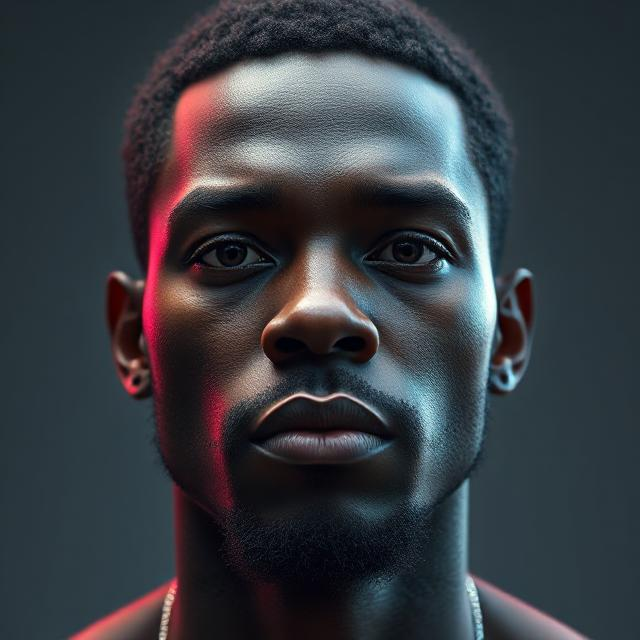
The Academy of Motion Picture Arts and Sciences has announced that artificial intelligence-generated actors and writers will not be eligible for Oscar consideration. This decision, aimed at preserving the integrity and human creativity traditionally recognized by the prestigious awards, comes amid rapid advancements in AI technology within the entertainment industry. The move underscores the Academy’s commitment to honoring the contributions of human artists, even as the use of AI tools becomes increasingly prevalent in film production.
AI performers and screenwriters excluded from Oscar eligibility amid industry debate
The Academy of Motion Picture Arts and Sciences has officially ruled that performances and screenplays created by artificial intelligence will no longer qualify for Oscar consideration. This decision arises from growing concerns over the authenticity and creative integrity of works that heavily incorporate AI-generated elements. Industry leaders have emphasized the importance of human originality, stressing that the essence of filmmaking is deeply rooted in human experience and interpretation.
Among the key points outlined by the Academy are:
- Prohibition of AI-generated actors or digital avatars as eligible performers.
- Exclusion of scripts or screenplays primarily authored by machine learning algorithms.
- Encouragement for filmmakers to maintain substantial human contribution in all creative aspects.
This move has sparked a wide-ranging debate across the entertainment sector, with some advocating for the recognition of AI as a new creative tool, while others warn against the dilution of artistic authenticity. Regardless of differing opinions, the Academy’s stance clearly establishes the current boundary between human artistry and emerging AI technologies in cinema.
Implications of Academy decision on the future of filmmaking and creative roles
The Academy’s recent ruling sends a clear message about the value placed on human creativity in filmmaking. By barring AI actors and writers from Oscar eligibility, the institution reinforces the importance of human experience, emotion, and interpretive nuance in storytelling. This decision is likely to encourage filmmakers and studios to prioritize original human talent, ensuring that creative roles remain grounded in authentic artistic contributions rather than automated processes.
Moreover, this stance could shape the industry’s approach to incorporating AI technology. While AI may assist in certain technical or supportive capacities, the Academy’s rules emphasize that the core creative responsibilities-including acting and writing-must be fulfilled by humans. As a result, future collaborations might focus on AI as a tool rather than a replacement, leading to:
- Enhanced creative workflows where AI augments human input without overshadowing it.
- New ethical standards defining authorship and performance authenticity in film.
- Redefined creative roles with evolving skill sets that blend traditional artistry and technological literacy.
Recommendations for integrating artificial intelligence in cinema without compromising artistic recognition
As the film industry navigates the increasing presence of artificial intelligence, it’s crucial to establish clear boundaries that uphold the value of human creativity. The Academy’s decision to exclude AI actors and writers from Oscar eligibility underscores the importance of preserving authentic artistic contribution. To harmonize AI’s supportive role with genuine artistry, filmmakers and studios should prioritize transparency about AI usage and ensure that human creators remain at the helm of storytelling and performance interpretation.
Practical strategies include:
- Clear attribution of creative roles distinguishing human input from AI-generated elements.
- Setting ethical guidelines on the extent and manner of AI assistance during the creative process.
- Encouraging collaborative projects where AI tools enhance, rather than replace, human imagination.
- Developing industry-wide standards for AI integration that protect originality and artistic integrity.
These measures will help maintain both innovation and respect for the distinctive artistic voice that defines cinema’s cultural legacy.
The Conclusion
As the Academy of Motion Picture Arts and Sciences takes a definitive stance against recognizing AI-generated performances and writings, the decision underscores ongoing debates about creativity, authorship, and the future of filmmaking. While artificial intelligence continues to advance rapidly, the Academy’s ruling reaffirms the value placed on human artistry in cinema. The conversation surrounding AI’s role in Hollywood is far from over, but for now, Oscar statuettes will remain firmly in the hands of human creators.