
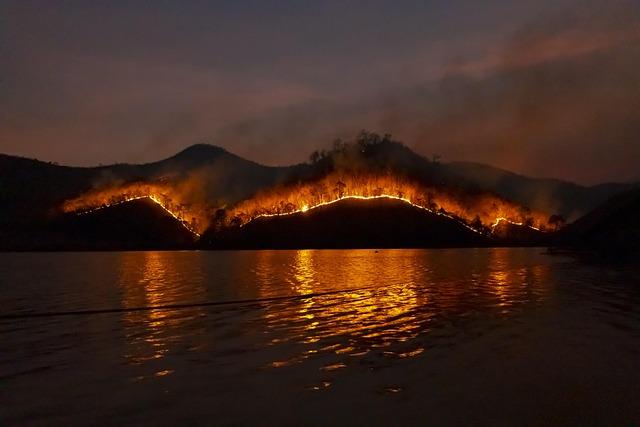
A major wildfire that swept through northeast Japan has been brought under control after burning approximately 1,633 hectares over the course of 11 days, authorities reported. The blaze, which posed significant threats to local communities and natural landscapes, prompted extensive firefighting efforts involving ground crews and aerial support. Officials continue to assess the damage and investigate the cause as recovery and containment operations move forward.
Wildfire in Northeast Japan Brought Under Control After Intense 11-Day Battle
After an arduous 11-day firefighting effort, authorities successfully contained the wildfire that ravaged parts of northeast Japan. The blaze, which consumed approximately 1,633 hectares of forest and farmland, posed significant threats to nearby communities and local wildlife reserves. Firefighting teams deployed a combination of ground crews and aerial water drops, navigating challenging terrain and unpredictable weather conditions to halt the fire’s advance.
Key factors contributing to the containment include:
- Rapid mobilization of over 500 emergency personnel
- Coordinated efforts between regional fire departments and Self-Defense Forces
- Continuous monitoring through drones and satellite imagery
While no casualties have been reported, investigations into the fire’s origin remain ongoing, with officials urging residents to maintain vigilance in the warmer months ahead.
Environmental Impact and Recovery Efforts Following the Large-Scale Blaze
The extensive wildfire that swept across northeast Japan has left a profound environmental scar, impacting diverse ecosystems and local wildlife. The blaze charred approximately 1,633 hectares of forest and grassland, leading to the destruction of habitats for numerous species. The scorched landscape has heightened concerns over soil erosion and water contamination, threatening the region’s delicate natural balance. Local rivers have shown increased sediment levels, which may disrupt aquatic life and downstream agricultural activities.
In response, coordinated recovery efforts are now underway, involving government agencies, conservation groups, and community volunteers. Key initiatives include:
- Reforestation programs focused on planting native trees to stabilize soil and restore biodiversity.
- Wildlife monitoring to assess animal populations and support affected species.
- Soil rehabilitation projects aimed at preventing further erosion and promoting natural regeneration.
- Community engagement campaigns encouraging sustainable land management and fire prevention education.
These collective actions strive not only to repair the damage but also to enhance resilience against future wildfire risks in the region.
Authorities Advise Strengthened Preventive Measures to Mitigate Future Wildfire Risks
In the wake of the extensive wildfire that consumed over 1,600 hectares across northeast Japan, officials have urged enhanced vigilance and comprehensive preventive strategies to curb similar disasters in the future. Authorities emphasized the importance of investing in early detection systems, such as advanced satellite monitoring and drone surveillance, to identify and address fire outbreaks before they escalate. Furthermore, community engagement and education campaigns are being prioritized to raise awareness about fire risks and encourage responsible behavior during high-risk periods.
Key recommendations presented by experts include:
- Implementing controlled burns during safe weather conditions to reduce combustible vegetation
- Establishing clear firebreaks in vulnerable forest areas to contain potential spreads
- Enhancing coordination between local firefighting units and national disaster response teams
- Promoting sustainable land management practices that minimize wildfire susceptibility
These combined efforts aim to bolster regional resilience against environmental challenges posed by climate change and rising temperatures, ensuring communities remain protected from the devastating effects of future wildfires.
Insights and Conclusions
As containment efforts successfully brought the wildfire under control after 11 days, authorities continue to assess the full impact of the blaze that scorched approximately 1,633 hectares in northeast Japan. Recovery and rehabilitation efforts are now underway to support affected communities and restore the damaged environment. Officials have emphasized the importance of ongoing vigilance to prevent future incidents amid changing climate conditions. Further updates will follow as more information becomes available.