
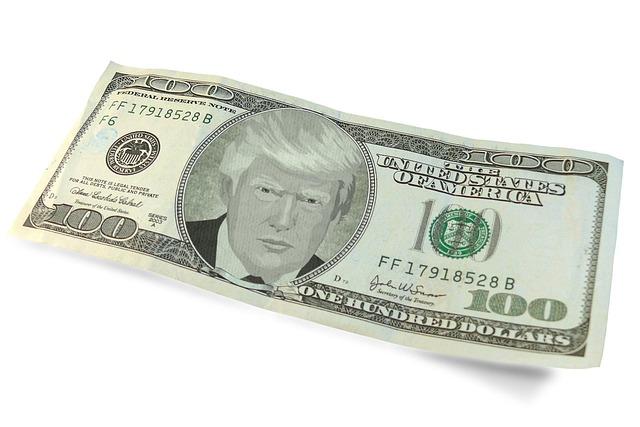
In an unexpected twist to the public persona that has dominated headlines for over a decade, Donald Trump reveals a surprising self-awareness about the larger-than-life image he has cultivated. According to a recent feature in Psychology Today, the former president is not only cognizant of the caricature associated with his name but can also laugh at it. This insight offers a rare glimpse into the complex interplay between identity and perception, shedding new light on how Trump navigates the persona that has become both his brand and public spectacle.
Donald Trump’s Self-Awareness Challenges Public Perception
Behind the brash persona and larger-than-life media presence, Donald Trump exhibits moments of surprising self-awareness that challenge the stereotypical narrative constructed around him. Observers note how Trump occasionally acknowledges the caricatured “Donald Trump” that the public engages with-a man molded by media soundbites, political rallies, and viral moments. This meta-recognition adds a layer of complexity to a figure often cast in a single, monolithic light.
Experts suggest that this self-awareness not only humanizes Trump but also serves strategic purposes in navigating public opinion. The man who can laugh at his own image demonstrates a rare ability to control and reframe his narrative amidst relentless scrutiny. Key aspects include:
- Deflecting criticism through humor and irony
- Engaging supporters by reinforcing shared cultural references
- Reinforcing his brand while simultaneously mocking its excesses
Understanding the Psychological Benefits of Embracing One’s Public Image
Embracing a crafted public image can serve as a powerful psychological tool, offering individuals a buffer against criticism and self-doubt. When a public figure like Donald Trump openly acknowledges and even laughs at the persona he has projected, it exemplifies a mastery over external perception, transforming potential vulnerabilities into sources of strength. This ability to separate the self from the image not only fosters resilience but also promotes a healthier self-concept, as it diminishes the weight of negative judgments that often accompany public scrutiny.
Psychologists highlight several key benefits when one actively accepts and engages with their public identity:
- Reduced internal conflict: Aligning personal and public personas minimizes identity clashes.
- Emotional empowerment: Humor and self-awareness enhance emotional regulation.
- Social negotiation: Confidence in one’s image facilitates more strategic social interactions.
In Trump’s case, the interplay between the man and the myth illustrates how embracing the spotlight’s glare can ultimately humanize a figure often seen as polarizing. It’s a reminder that self-reflection combined with public savvy can shift the narrative from being merely a symbol to becoming a fully realized individual in the collective consciousness.
How Acknowledging Personal Branding Can Improve Mental Resilience
Understanding the distinction between the curated public persona and the authentic self can be a powerful psychological tool. When individuals recognize their personal brand as a constructed narrative rather than an all-encompassing identity, they create a buffer against external judgment and inner criticism. This cognitive separation allows for greater emotional flexibility, enabling a person to laugh at or critique the image they’ve projected without losing a sense of self-worth. Such awareness fosters mental resilience by promoting detachment from unrealistic expectations and reducing the pressure to maintain a flawless facade.
Moreover, embodying this mindset encourages self-reflection and growth. By consciously acknowledging the aspects of their public image that are exaggerated or performative, individuals gain control over their internal dialogue and reduce vulnerability to stressors tied to public perception. Key benefits include:
- Enhanced emotional regulation: Managing reactions to criticism becomes easier when the brand is seen as separate from true identity.
- Improved self-acceptance: Embracing imperfections within the real self strengthens confidence.
- Greater adaptability: Flexibility in self-presentation helps navigate changing social landscapes without losing core values.
The Way Forward
In examining Donald Trump’s ability to laugh at the very image he has cultivated, we gain insight into the complex interplay between public persona and private self. As this analysis from Psychology Today suggests, the man behind the brand navigates a unique psychological landscape where self-awareness and self-presentation coexist. Whether viewed as a shrewd strategist or a cultural phenomenon, Trump’s relationship with his own image adds a nuanced layer to understanding one of the most polarizing figures in contemporary politics.