
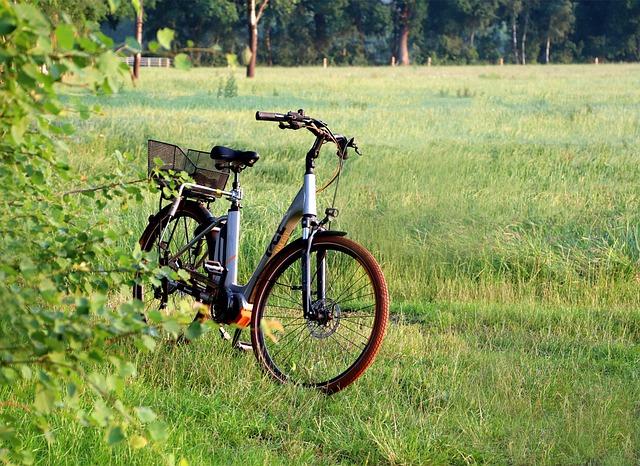
As e-bikes continue to surge in popularity across Australia, riders and retailers alike face a shifting regulatory landscape that impacts where and how these electric cycles can be used. In the latest installment of “Stats With Latz,” Flow Mountain Bike dives into the new e-bike regulations sweeping through Australian states and territories. This comprehensive overview breaks down the complexities of recent legislative changes, providing clarity on compliance, safety standards, and what these rules mean for the growing community of e-bike enthusiasts nationwide.
Understanding the Impact of New e-Bike Regulations on Australian Riders
The latest e-bike regulations introduced across Australia are set to reshape the way riders interact with their machines, affecting everything from speed limits to power output. These changes aim to improve safety on shared paths while fostering innovation in sustainable transportation. Riders must now navigate a patchwork of state-specific rules that govern e-bike classifications, helmet requirements, and permissible riding areas. For many, compliance involves understanding complex technical standards to ensure their e-bikes meet newly enforced criteria.
Key points to consider for Australian e-bike riders include:
- Maximum continuous power output restrictions, often capped at 250 watts for certain classes.
- Speed limits, typically limiting assisted speeds to 25 km/h.
- Mandatory helmet laws strengthened in some states.
- Registration and licensing requirements, which vary by region.
These regulatory updates will undoubtedly impact rider habits, industry practices, and even the second-hand e-bike market, as consumers adjust to new legal frameworks. Staying informed and compliant will be essential for embracing the benefits of electric cycling safely and legally across Australia’s diverse environments.
Navigating Compliance Challenges and Opportunities for e-Bike Users
As Australia rapidly embraces the surge in e-bike popularity, riders face a complex regulatory landscape that varies significantly between states and territories. Key compliance considerations include speed limits, bike classifications, and registration requirements, which often determine where e-bikes can be legally ridden. For instance, some regions mandate a maximum speed of 25 km/h for electric assistance, while others permit higher thresholds under specific conditions. Additionally, commercial e-bike riders must navigate licensing and insurance protocols, increasing the stakes for compliance. These regulatory frameworks aim to balance innovation and road safety but also present challenges for consumers trying to stay informed.
Opportunities arise as governments increasingly recognize e-bikes as sustainable alternatives to traditional transport, introducing incentives and infrastructure improvements. Riders can benefit from:
- Subsidies and rebates to offset purchase costs
- Dedicated e-bike lanes promoting safer and more accessible travel
- Streamlined registration processes in select areas
However, staying current with updates is essential, as regulatory changes are frequent and region-specific. Local cycling groups and official channels remain invaluable resources for riders seeking to navigate this evolving terrain with confidence.
Expert Recommendations for Staying Ahead in the Changing e-Bike Landscape
As Australia navigates a complex web of evolving e-bike laws, industry insiders emphasize the importance of staying informed and adaptable. Experts recommend regularly consulting official resources to track regulation updates, while also engaging with local cycling communities for grassroots insights. With rules varying significantly between states and territories, riders should prioritize verifying vehicle classifications and speed restrictions before making purchases or modifications. Additionally, investing in comprehensive insurance coverage tailored to e-bikes is increasingly advised as legal frameworks tighten and enforcement grows more stringent.
Adapting to the shifting landscape also means embracing technology and innovation. Specialists suggest considering e-bikes equipped with advanced safety features such as integrated lighting, GPS tracking, and smart speed limiters that can automatically adjust to comply with local laws. They also highlight the value of professional tuning and maintenance services to ensure ongoing compliance and optimal performance. Ultimately, a proactive approach based on education, community engagement, and smart choices is key to navigating the future of e-biking across Australia.
- Stay updated through official government websites and local transport authorities.
- Engage with cycling groups to share experiences and regulatory insights.
- Choose e-bikes with built-in compliance technologies.
- Secure appropriate insurance tailored for e-bike riders.
- Prioritize regular maintenance to ensure safety and legality.
Key Takeaways
As Australia gears up to embrace the evolving landscape of e-bike usage, understanding the latest regulations is crucial for riders and industry stakeholders alike. Stats With Latz has shed light on the nuances shaping these changes, offering clarity amid a rapidly shifting terrain. As Flow Mountain Bike continues to advocate for informed and safe riding practices, staying informed on legislative updates will remain essential for all e-bike enthusiasts navigating the roads and trails ahead.