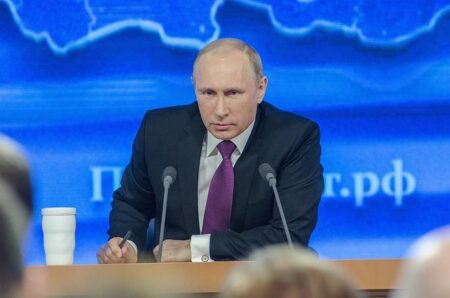

Russia is experiencing a critical strain on its military forces, losing more troops than it can replenish for the fifth consecutive month, according to statements from the country’s Defense Minister. This troubling development underscores the mounting challenges faced by Moscow amid prolonged hostilities, raising concerns about the sustainability of its military operations. The announcement adds a new dimension to the ongoing conflict, highlighting the human and strategic costs Russia continues to endure.
Russia Faces Growing Personnel Shortages Amid Prolonged Conflict
According to recent statements from the Defense Minister, Russia’s armed forces have been grappling with sustained personnel deficits for the fifth consecutive month. The mounting attrition rates on the front lines have outpaced Moscow’s capacity to replenish its ranks, signaling a strain on military logistics and manpower reserves. This ongoing challenge is complicating Russia’s strategic capabilities and hints at deeper systemic issues within its military recruitment and retention frameworks.
The shortage has compelled the Kremlin to explore unconventional measures, including:
- Expanding conscription age limits and broadening eligibility criteria to draft more citizens.
- Increasing reliance on private military contractors to supplement regular forces.
- Accelerating training programs to deploy soldiers more rapidly despite potential impacts on combat readiness.
Despite these efforts, experts warn that the persistent personnel gaps could undermine Russia’s operational effectiveness and prolong the conflict, with significant implications for both military dynamics and regional stability.
Impact of Troop Losses on Russian Military Strategy and Readiness
Persistent and mounting personnel losses have significantly undermined the operational capacity of the Russian military, forcing a strategic recalibration across multiple levels of command. Senior defense officials have acknowledged the strain imposed by sustained troop attrition, which has exceeded replacement capabilities for five consecutive months. This depletion is visibly impacting frontline effectiveness and limiting Moscow’s ability to conduct large-scale offensive operations. Commanders are increasingly compelled to consolidate forces, adopt more defensive postures, and prioritize key strategic objectives to compensate for diminishing manpower.
Key consequences of these troop shortages include:
- Reduced maneuverability and flexibility in the field due to limited reinforcements.
- Heightened reliance on contracted soldiers and irregular units, raising questions about training and discipline.
- Strains on equipment maintenance cycles as fewer personnel remain available to support logistical and technical needs.
- Increased psychological and physical stress on remaining soldiers, potentially degrading combat readiness over time.
Experts Urge Enhanced Recruitment and Tactical Reevaluation to Mitigate Declining Forces
Defense analysts emphasize that Russia’s sustained losses have critically strained its military capacity, pushing experts to call for a comprehensive overhaul in recruitment strategies and operational planning. The inability to replenish front-line units threatens not only immediate combat effectiveness but also long-term strategic objectives. Current conscription efforts, widely reported as inefficient and failing to meet quotas, must be supplemented with targeted incentives and improved training regimens to bolster troop readiness and morale.
Furthermore, military strategists advocate for a recalibration of tactics to maximize resource utilization amid dwindling manpower. Suggestions include:
- Increased reliance on technological solutions: Integration of unmanned systems and advanced surveillance to offset personnel shortages.
- Enhanced force mobility: Adopting more flexible unit structures to allow rapid redeployment and minimize casualties.
- Improved coordination with allied forces: Sharing intelligence and logistical support to sustain operational tempo.
Experts agree that without decisive action to address recruitment shortfalls and adapt combat strategies, Russia’s military resilience will continue to erode, further impacting its position in the ongoing conflict.
In Summary
As Russia continues to face mounting personnel losses that outpace its ability to replenish forces, the implications for the broader conflict remain uncertain. The Defense Minister’s admission marks a significant indicator of the strain on Moscow’s military capabilities, raising questions about the sustainability of its operations in Ukraine. Analysts and observers will be closely monitoring how this critical shortage affects the dynamics on the battlefield in the coming months.