
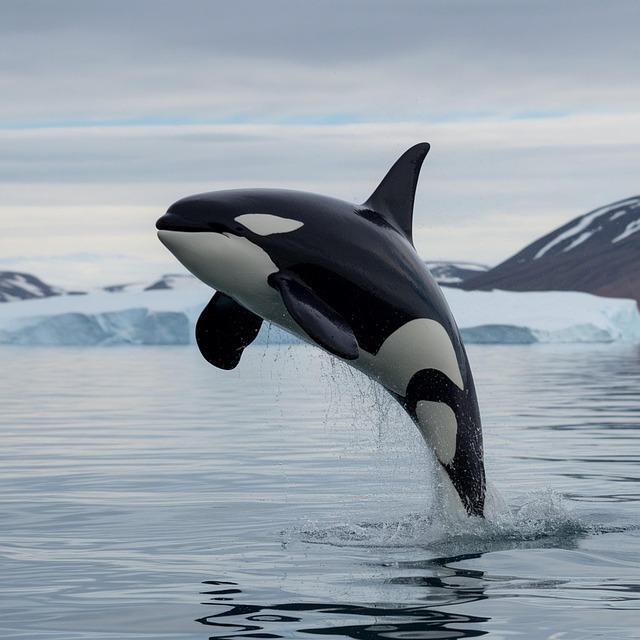
In the final stronghold of orca captivity in France, the fate of the nation’s last two captive killer whales hangs in the balance. As mounting public pressure and evolving animal welfare regulations challenge the ethics of marine mammal captivity, authorities and conservationists grapple with decisions that will determine the future of these iconic creatures. This article examines the complex legal, environmental, and emotional factors shaping the uncertain destiny of France’s last two captive orcas, spotlighting a pivotal moment in the country’s ongoing debate over wildlife preservation and captivity.
The Struggle to Secure a Future for France’s Last Captive Orcas
Amid growing criticism over the ethical implications of keeping orcas in captivity, France faces an increasingly complex dilemma regarding its last two captive orcas, Inouk and Wikie. The animals, housed at Marineland in Antibes, have become symbols of a broader struggle that intertwines animal welfare concerns, legal battles, and public opinion. Advocacy groups have relentlessly urged authorities to retire the orcas to more naturalistic settings, such as sea sanctuaries, while the park maintains that their continued care is necessary for the whales’ well-being due to their long-term captivity.
Key challenges complicate efforts to secure a future for these majestic creatures:
- Finding suitable and safe sea sanctuaries that can accommodate the orcas’ size and social needs.
- Navigating the legal framework in France, which currently lacks clear regulations on the transfer and release of captive cetaceans.
- Balancing public demand for humane treatment with the park’s operational and financial interests.
- Ensuring veterinary care and monitoring during potential transition phases to prevent health risks.
As these obstacles continue to stall decisive action, Inouk and Wikie’s fate remains uncertain, sparking urgent conversations about the future of captive marine mammals not only in France but across Europe. The situation underscores a critical turning point in how society reconciles entertainment, conservation, and ethical responsibility.
Challenges Facing Marine Parks and Animal Welfare Advocates
The debate over captive orcas in France highlights complex challenges for marine parks and animal welfare advocates alike. Marine parks are often caught between economic pressures and growing public scrutiny, striving to maintain attractions that draw visitors while responding to ethical concerns. Financial sustainability becomes increasingly difficult as public sentiment shifts towards valuing natural habitats and animal rights. Additionally, these facilities face stringent regulatory hurdles and must constantly adapt to evolving legislation aimed at improving animal welfare, which often entails costly upgrades or operational changes.
Animal welfare nonprofits encounter their own set of obstacles in advocating for the release or improved treatment of captive marine mammals. Their campaigns struggle against entrenched industry interests and a public that remains divided on the issue. The logistical complexities of relocating and rehabilitating aging orcas further complicate rescue efforts, especially when suitable ocean sanctuaries are limited or underfunded. Amid these challenges, both sides share a common difficult reality: balancing the well-being of the animals with practical and financial constraints remains an ongoing, unresolved struggle.
- Economic reliance on marine parks hampers swift policy change.
- Regulatory frameworks are inconsistent and evolving.
- Public opinion is increasingly critical but still varied.
- Rehabilitation and relocation require significant resources and expertise.
Experts Call for New Regulations and Enhanced Care Standards
Marine biologists and animal welfare advocates are increasingly urging French authorities to implement stricter laws governing the captivity and treatment of orcas. The experts emphasize that current legislation falls short of ensuring the physical and psychological well-being of these highly intelligent marine mammals. They argue for regulations that mandate larger, more naturalistic enclosures, enhanced veterinary care, and daily enrichment programs to mimic the orcas’ natural behaviors in the wild. Without these improvements, the future health and survival of the last captive orcas in France remain at serious risk.
Among the key recommendations put forth are:
- Clear standards for pool size and water quality to reduce stress and disease.
- Regular and transparent health assessments by independent experts.
- Environmental enrichment initiatives to prevent mental deterioration.
- Mandatory training for caretakers specializing in orca behavior and welfare.
These proposals reflect a growing consensus that captive orca care should align with the highest ethical and scientific standards, inspiring policy reforms that could reshape the future of marine mammal conservation in France and beyond.
To Wrap It Up
As debate continues over the future of France’s last two captive orcas, their uncertain fate remains a symbol of broader questions about animal welfare, conservation, and the ethics of captivity. With public opinion increasingly critical and legal challenges mounting, the coming months will be pivotal in determining whether these iconic marine mammals will spend their remaining years behind bars or be granted a chance at rehabilitation and release. The final decision will not only shape their individual destinies but may also set a precedent for how captive orcas are treated across Europe and beyond.