
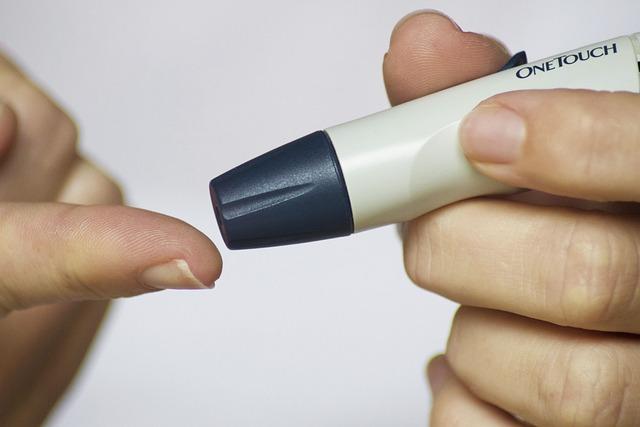
The United Kingdom’s diabetes devices market is poised for significant expansion as advancements in digital healthcare reshape the landscape of diabetes management. Driven by the integration of innovative technologies such as continuous glucose monitoring systems, insulin pumps, and connected mobile applications, the sector is experiencing a surge in demand from both patients and healthcare providers. This growth reflects broader trends in personalized medicine and remote patient care, positioning the UK at the forefront of a transformative shift in how diabetes is monitored and treated.
United Kingdom Diabetes Devices Market Poised for Rapid Expansion Driven by Technological Advances
The landscape of diabetes management in the United Kingdom is undergoing a transformative shift as cutting-edge technologies redefine patient care. Innovations such as continuous glucose monitoring (CGM) systems, insulin pumps, and AI-powered analytics are enhancing the accuracy and convenience of diabetes devices, leading to improved patient outcomes. Healthcare providers are increasingly adopting remote monitoring tools that enable real-time data sharing and personalized treatment adjustments, marking a move toward more proactive and patient-centric care models.
Key factors fueling this dynamic growth include:
- Integration of digital health platforms that facilitate seamless communication between patients and clinicians.
- Rising adoption of wearable devices that offer non-invasive, continuous tracking of blood glucose levels.
- Advancements in artificial intelligence that provide predictive insights for better disease management.
- Government initiatives and funding supporting innovation and accessibility in diabetes care.
Together, these elements are positioning the UK diabetes devices market as a frontrunner in embracing digital transformation, promising enhanced quality of life for millions affected by diabetes nationwide.
Digital Care Innovations Revolutionize Diabetes Management Practices Across the UK
The landscape of diabetes management in the UK is undergoing a remarkable transformation, driven by a surge in cutting-edge digital care solutions. Healthcare providers and patients alike are witnessing the integration of advanced technologies such as continuous glucose monitoring (CGM) systems, mobile health applications, and AI-powered analytics. These innovations not only enhance real-time data tracking but also empower individuals with personalized insights, leading to more effective and proactive management of the condition.
Industry experts highlight several key factors fueling this rapid evolution:
- Improved patient engagement: Interactive platforms encourage consistent monitoring and lifestyle adjustments.
- Seamless data sharing: Enhanced interoperability between devices and healthcare systems streamlines clinical decision-making.
- Remote care capabilities: Telemedicine and virtual consultations are expanding access to specialist support across regions.
As the UK positions itself at the forefront of digital diabetes care, these innovations are not only poised to improve health outcomes but also to stimulate significant growth within the national diabetes devices market.
Experts Recommend Increased Investment in AI-Enabled Devices to Enhance Patient Outcomes
Healthcare professionals and industry analysts alike emphasize the critical role of AI-powered technologies in revolutionizing diabetes care across the UK. These advancements not only enable more accurate and timely monitoring of patient health but also facilitate personalized treatment plans tailored to individual needs. Experts argue that boosting funding and research into AI-enabled devices will accelerate innovation, driving better patient adherence, reducing complications, and ultimately improving long-term health outcomes for millions living with diabetes.
Key recommendations include the integration of real-time data analytics, continuous glucose monitoring systems enhanced with predictive algorithms, and smart insulin delivery methods that adapt dynamically to users’ conditions. Stakeholders highlight the importance of collaboration between tech developers, clinical researchers, and policymakers to ensure that these digital tools are both accessible and scalable. The push for increased investment is seen not only as a necessity for advancing medical technology but also as a strategic move to reduce healthcare costs by minimizing hospitalizations and preventing severe diabetic episodes.
- Enhancement of AI algorithms for precision monitoring and diagnostics
- Deployment of smart devices integrated with patient management apps
- Expansion of public-private partnerships to fund innovation
- Focus on user-friendly interfaces to boost patient engagement
In Conclusion
As the United Kingdom’s diabetes devices market stands on the cusp of significant expansion, the integration of advanced digital care solutions is poised to revolutionize diabetes management across the country. With technological innovations driving improved patient outcomes and greater accessibility, stakeholders from healthcare providers to policymakers are closely monitoring this dynamic landscape. The continued evolution of digital diabetes care not only promises enhanced quality of life for millions living with the condition but also signals a transformative shift in the broader healthcare ecosystem.