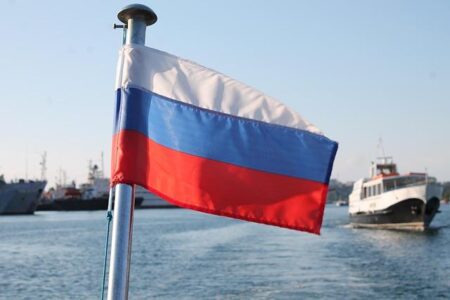
Former President Donald Trump has announced a proposed three-day ceasefire between Russia and Ukraine, marking a significant development amid the ongoing conflict. The ceasefire aims to create a temporary halt in hostilities, potentially opening the door for further negotiations and humanitarian relief efforts. This unexpected intervention by the former U.S. leader has drawn attention from global leaders and analysts, who are closely monitoring its implications for the protracted war in Eastern Europe.
Trump Calls for Immediate Ceasefire to Ease Humanitarian Crisis in Ukraine
Former President Donald Trump has publicly urged both Russia and Ukraine to agree to an immediate three-day ceasefire aimed at alleviating the escalating humanitarian crisis in the region. Emphasizing the urgent need for relief efforts, Trump highlighted the devastating impact of ongoing hostilities on civilians and called for urgent international cooperation to facilitate the safe delivery of aid. His announcement underscores a rare moment of bipartisan focus on the conflict’s human toll, stressing a temporary halt to violence as a critical step toward broader peace negotiations.
Key points of Trump’s proposal include:
- Immediate suspension of all combat operations for three days
- Unhindered access for humanitarian organizations to deliver essential supplies
- Establishment of secure corridors to evacuate the wounded and civilians
- An international monitoring mechanism to ensure compliance during the ceasefire period
This development has sparked discussions among policymakers and international leaders about the feasibility of such a ceasefire, with many recognizing the potential for easing civilian suffering while navigating the complexities of a longstanding geopolitical conflict.
Analysis of the Ceasefire Impact on Russia Ukraine Conflict Dynamics
The recently declared 3-day ceasefire in the Russia-Ukraine conflict marks a pivotal moment in the ongoing hostilities, offering a brief but significant pause in active combat operations. Analysts note that this temporary truce has created opportunities for humanitarian aid to reach affected areas, potentially easing civilian suffering amid intense confrontation. Moreover, the ceasefire has allowed diplomatic channels to open, with both sides signaling cautious optimism about the possibility of extending talks. However, experts warn that the short duration may limit substantive progress, emphasizing that deep-rooted tensions and territorial disputes remain unresolved.
Key developments during this period include:
- Reduction in frontline skirmishes: Military activity across several contested zones has noticeably decreased, leading to fewer casualties.
- Humanitarian corridors established: Safe passages for aid convoys have been temporarily secured, addressing urgent needs in war-torn communities.
- Diplomatic engagement intensified: Stakeholders have utilized the ceasefire window to resume dialogue, highlighting prospects for longer-term peace frameworks.
While the ceasefire’s immediate effects bring cautious relief, the volatile nature of the Russia-Ukraine dynamic suggests that sustained efforts and broader negotiations will be essential to achieving lasting stability in the region.
Recommendations for International Response and Monitoring Measures
The announcement of a temporary ceasefire between Russia and Ukraine underscores the urgent need for a coordinated and transparent international response. To ensure the truce holds and to build trust between the conflicting parties, global organizations and governments must implement stringent monitoring mechanisms. This includes deploying neutral observers equipped with advanced surveillance technology such as drones and satellite imagery to track compliance in real time. Additionally, establishing rapid communication channels will empower the international community to respond swiftly to any violations and provide impartial reports that bolster diplomatic negotiations.
Effective monitoring should be complemented by a robust support system aimed at maintaining peace and safeguarding civilians. Key recommendations include:
- Multilateral coordination: Collaboration between the United Nations, OSCE, and regional actors to oversee ceasefire adherence.
- Humanitarian access: Ensuring unrestricted humanitarian corridors for aid delivery and medical evacuation.
- Conflict de-escalation: Facilitating dialogue platforms that include local leaders and civil society representatives to foster grassroots peacebuilding efforts.
- Transparency and accountability: Publicly releasing verified ceasefire monitoring reports to prevent misinformation and enhance credibility.
Future Outlook
As the conflict between Russia and Ukraine continues to dominate global headlines, the announcement of a three-day ceasefire by former President Donald Trump marks a noteworthy development in efforts to de-escalate tensions. While the temporary halt in hostilities offers a brief window for potential dialogue and humanitarian relief, the durability and impact of the ceasefire remain uncertain. Observers and stakeholders will be closely monitoring the situation in the days ahead to assess whether this pause could pave the way for more sustained negotiations or if it will simply serve as a fleeting respite amid ongoing conflict.