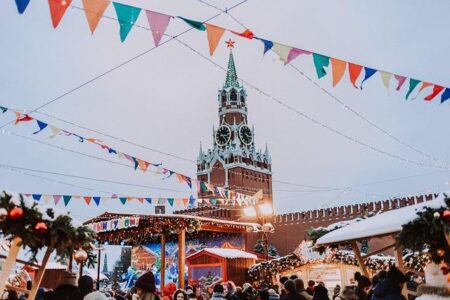
As Russia marks one of its most significant national holidays, an undercurrent of discontent among many citizens casts a shadow over the Kremlin’s grand celebrations. Despite the official pageantry and patriotic displays, a growing number of Russians find themselves reluctant to join in the festivities, reflecting deeper social and political anxieties that contrast sharply with the government’s message of unity and strength. This complex atmosphere underscores a nation grappling with internal tensions even as it honors its most prominent day of the year.
Public Sentiment Dampens Festivities as Kremlin Marks National Holiday
This year’s national holiday at the Kremlin, traditionally marked with grand displays of patriotism and public festivities, witnessed an unmistakable shift in atmosphere. Streets that once thrummed with celebratory crowds appeared noticeably subdued, as many citizens expressed skepticism and discontent over the nation’s current trajectory. Observers noted a significant downturn in public enthusiasm, with fewer people attending official events and spontaneous gatherings showing signs of restraint. The pervasive mood reflected a collective weariness amid ongoing economic uncertainties and geopolitical tensions that have cast a long shadow over the celebrations.
Reports from several cities highlighted key factors contributing to the muted observance:
- Economic hardships: Rising prices and stagnant wages have dampened the public’s capacity and desire to engage in festivities.
- Political climate: Increased governmental restrictions and censorship have curtailed expressions of genuine public sentiment.
- Generational divide: Younger citizens, in particular, appear disengaged, questioning the relevance of traditional nationalist fervor in today’s complex reality.
As the Kremlin maintained its official narrative celebrating the day as a symbol of resilience and unity, the broader populace’s subdued reaction underscores a growing dissonance between state-led propaganda and lived experiences.
Economic Struggles and Political Tensions Shadow Nationwide Celebrations
Across cities and towns, the air of festivity that typically accompanies the Kremlin’s most significant annual event was noticeably muted. Many Russians expressed frustration over the country’s ongoing economic difficulties, which continue to erode living standards and fuel uncertainty about the future. Amid rising prices and stagnant wages, the celebratory mood was dampened by everyday concerns such as job security and access to essential goods. The economic strain has manifested not only in personal hardships but also in growing public skepticism toward government policies.
Political tensions also played a critical role in shaping the attitudes of many citizens. Recent crackdowns on dissent and restrictions on free speech have heightened anxieties, leaving some feeling disconnected from national narratives promoted by the state. Observers noted several recurring themes among those reluctant to join festivities:
- Disillusionment with leadership: Questions over transparency and governance marked conversations in social spaces.
- Concerns about foreign relations: Ongoing geopolitical conflicts left a shadow over hopes for stability and progress.
- Generational divides: Younger Russians often expressed frustration with limited opportunities and political stagnation.
These complex dynamics reveal a society grappling with the contrast between public pageantry and private unease, casting a long shadow over the Kremlin’s grand celebrations.
Experts Urge Government to Address Public Grievances to Restore National Unity
Amid growing public dissatisfaction, experts emphasize the urgent need for government intervention to address widespread grievances. Economic hardships, limited access to essential services, and a perceived lack of transparency have fueled discontent among many Russians. Analysts warn that unless these issues are tackled decisively, the fragile sense of national unity could deteriorate further. The call for reforms is not just about managing public opinion but restoring trust in institutions critical to the country’s stability.
Key demands from civil society groups include:
- Improved social welfare programs targeting vulnerable populations
- Greater accountability and responsiveness from government authorities
- Measures to combat corruption and enhance transparency
- Increased public engagement in policy-making processes
Experts stress that ignoring these appeals risks deepening divides and exacerbating tensions, making reconciliation efforts paramount as the nation navigates an uncertain future.
The Conclusion
As Russia marks its most significant national holiday under a pall of economic challenges and geopolitical tensions, the absence of widespread celebration highlights the growing disconnect between the Kremlin’s official narrative and the sentiments of many ordinary citizens. While state-sponsored events continue to project an image of unity and patriotism, the subdued public mood suggests a nation grappling with uncertainty and unease on a day traditionally reserved for national pride.