A Brazilian judge has suspended a recently enacted law that aimed to reduce the jail term of former President Jair Bolsonaro. The move comes amid ongoing legal battles surrounding Bolsonaro’s convictions, raising questions about the judicial process and political implications in Brazil. This latest development underscores the intense scrutiny and controversy linked to the former leader’s criminal cases as the nation grapples with issues of accountability and rule of law.
Brazilian Judge Halts Controversial Law Shortening Bolsonaro’s Prison Sentence
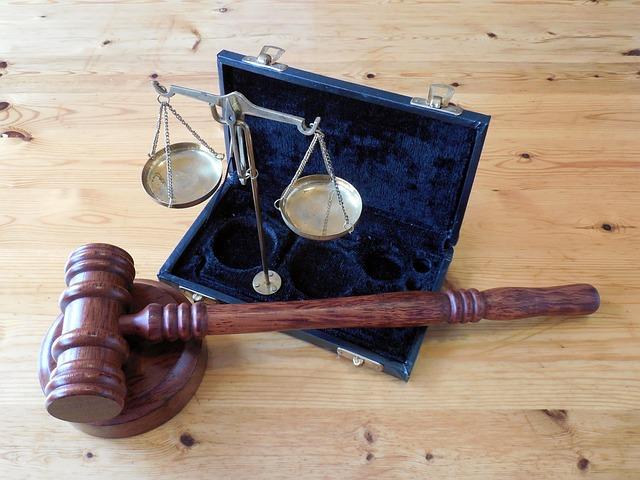
In a significant judicial move, a Brazilian judge has suspended the enforcement of a newly enacted law that aimed to reduce former President Jair Bolsonaro’s prison sentence. The legislation, which sparked widespread public debate and political controversy, was intended to shorten the duration of sentences for certain convicted individuals, including Bolsonaro, who is currently serving time for corruption-related charges. The judge’s decision marks a decisive check on legislative power, emphasizing the need for judicial review in cases with substantial legal and societal implications.
Key details of the ruling include:
- The suspension was ordered on grounds that the law may violate constitutional principles.
- The judge cited concerns over potential preferential treatment for high-profile inmates.
- This development has intensified political tensions amid Brazil’s polarized environment.
The case now awaits further judicial examination, with implications that could reshape Brazil’s legal landscape regarding sentencing reforms. Observers anticipate a thorough debate as legal experts and political figures weigh in on the broader impact of this unprecedented judicial intervention.
Legal Experts Weigh Implications for Brazil’s Judicial Independence and Political Stability
Legal analysts emphasize that the recent judicial decision to suspend the law easing former President Jair Bolsonaro’s jail term represents a critical juncture for Brazil’s rule of law. This move has sparked heated debate about the judiciary’s role and its influence over political affairs. Some experts warn that such interventions, while necessary to uphold legal standards, could be perceived as judicial overreach, potentially undermining public trust in the courts. The balance between enforcing the law and respecting democratic processes remains delicate, with far-reaching consequences for Brazil’s legal framework.
Moreover, the political ramifications are significant, as the suspension reverberates through Brazil’s already polarized environment. Observers note potential risks to political stability, particularly as supporters of Bolsonaro may view the court’s actions as politically motivated. Legal commentators also point to the importance of safeguarding judicial independence to prevent external pressures from swaying verdicts. The unfolding scenario underscores the persistent challenge for Brazilian institutions to sustain impartiality while navigating a turbulent political landscape.
- Judicial independence: Essential to maintain legitimacy amid political tensions.
- Rule of law: Central to ensuring accountability regardless of political stature.
- Political polarization: Heightens sensitivity around judiciary decisions impacting prominent figures.
- Stability concerns: Possible repercussions for governance and public order.
Recommendations for Strengthening Oversight and Ensuring Judicial Accountability in High-Profile Cases
To restore public trust in the judicial process, particularly in cases with significant political implications, it is essential to implement stringent oversight mechanisms. This includes establishing independent review panels that can assess judicial decisions impartially and transparently. Additionally, investing in specialized training for judges handling complex, high-stakes cases can ensure that rulings comply rigorously with legal standards and ethical benchmarks. Such measures would help mitigate perceptions of bias and reinforce the judiciary’s role as an impartial arbiter.
Key strategies to enhance judicial accountability encompass:
- Regular public disclosure of deliberations and rationales behind pivotal rulings to promote transparency.
- Strengthening disciplinary frameworks to address judicial misconduct swiftly and effectively.
- Enhancing collaboration between judicial oversight bodies and civil society organizations for broader scrutiny.
- Implementing technological tools for real-time monitoring of court processes without infringing on judicial independence.
By adopting these approaches, Brazil can fortify the integrity of its legal system and ensure that justice is administered fairly-regardless of political pressures or the prominence of the individuals involved.
Wrapping Up
The suspension of the law reducing Jair Bolsonaro’s jail term marks a significant judicial intervention in the ongoing legal battles surrounding the former Brazilian president. As the case progresses, it underscores the judiciary’s influential role in shaping the outcomes of politically charged convictions in Brazil. Observers will continue to monitor developments closely, given their potential impact on the country’s political landscape and rule of law.